2026 How to Choose the Best Biogas Genset for Your Needs?
In the growing field of renewable energy, biogas gensets have become pivotal. Industry expert Dr. Sarah Johnson, a renowned specialist in biogas technology, emphasizes, "Choosing the right biogas genset can transform waste into valuable energy." This statement underlines the importance of making informed decisions when selecting a genset that aligns with specific needs.
Biogas gensets convert biogas produced from organic waste into electricity. Understanding the technology and operational requirements is essential for maximizing efficiency. Factors such as generator size, biogas quality, and resource availability must be thoroughly evaluated. Many users overlook these details, leading to suboptimal performance.
The market offers various options, yet not all are suitable for every situation. Some gensets may promise high efficiency but fail under specific conditions. Users should consider not only output but also maintenance and support. Each choice made in this process affects long-term sustainability. Making an informed decision is crucial to harnessing the full potential of biogas gensets.

Understanding Biogas Gensets: Fundamentals and Applications
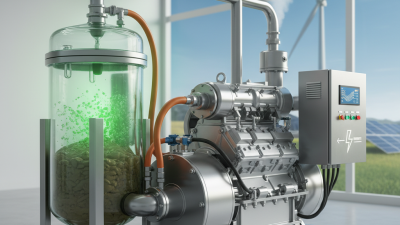
Biogas gensets are essential for converting organic waste into electricity. They rely on anaerobic digestion, a process where microorganisms break down organic matter. Understanding the fundamentals is critical. Key components include the digester, gas storage, and the genset itself. Each plays a unique role in the overall efficiency and effectiveness.
The applications of biogas gensets are vast. They are used in agriculture, waste treatment, and energy sectors. Farmers can utilize these systems to generate power from livestock waste. Municipalities can turn sewage into usable energy. However, selecting the right genset requires careful consideration. Factors such as input material type, climate, and energy needs impact performance.
You may encounter challenges when choosing a genset. The efficiency of gas production varies. Miscalculations can lead to underperformance. It's crucial to assess your situation and needs clearly. Consulting with professionals can provide insights. They can help navigate this complex decision-making process.
Key Factors to Consider When Choosing a Biogas Genset
Choosing the right biogas genset requires careful consideration. Key factors include efficiency, size, and type of biogas produced. According to the International Renewable Energy Agency, biogas gensets can achieve electrical efficiencies of up to 40%. This means a higher return on investment for energy production.
Another important aspect is the genset's adaptability to different biogas compositions. Biogas can vary in methane content depending on the feedstock. A genset designed for a wide range of methane concentrations can ensure stable operation. Reports indicate that fluctuations in biogas quality can reduce the efficiency of energy generation by 10% to 30%. Selecting a genset that can handle these variations is crucial for consistent performance.
Maintenance requirements also play a significant role. Regular service can prevent downtime and extend the lifespan of the genset. While many models offer high reliability, users must be prepared for potential breakdowns. Investing in a genset with accessible parts and good service support can mitigate these issues. This way, operators will have the tools needed for effective troubleshooting.
2026 Biogas Genset Power Output Comparison
This chart compares the power output of various biogas genset models. The data shows that as the models increase in size and capacity, the power output also rises significantly. This information can help you choose the best biogas genset that suits your needs based on the desired power output.
Evaluating Capacity: How to Match Genset kW Rating to Energy Needs
Choosing the right biogas genset begins with understanding your energy needs. Evaluating capacity is critical. A 2021 report from the Global Energy Monitor notes that biogas facilities produce 75 to 600 kW per unit. This data shows significant variance in output, reflecting differing usage scenarios. It's essential to align the genset's kW rating with your specific energy consumption patterns.
For example, if your facility requires consistent energy of around 300 kW, selecting a genset rated slightly higher, like 350 kW, may be advisable. This buffer can accommodate unforeseen spikes in energy demand. However, overestimating your needs might result in wasted resources and increased operational costs. It's important to conduct an energy audit to gain accurate insights into your requirements.
In the biogas sector, nearly 60% of generators operate under partial load at any time, according to a report from the International Renewable Energy Agency. This trend highlights the importance of careful capacity evaluation. A genset running inefficiently reduces overall performance and impacts longevity. Finding the right balance is essential for sustainable operations. Being conscientious about your choice means considering both immediate demands and future scalability.
Assessing Efficiency: Importance of Thermal and Electrical Efficiency Ratings
When selecting a biogas genset, understanding efficiency ratings is critical. The thermal and electrical efficiency can impact operational costs significantly. According to recent industry reports, ideal thermal efficiency rates range between 35% and 45%, while electrical efficiency should ideally exceed 30%. This data highlights the need for careful evaluation before purchase.
Tips: Always compare efficiency ratings among various models. Look for gensets that demonstrate consistent performance under varying loads. This can save money in the long run.
Efficiency isn’t the only aspect to consider. Biogas composition affects energy generation too. For example, high methane content leads to better performance. In some cases, a slight adjustment in feedstock could dramatically increase output. Being prepared for variability ensures better results.
Regular maintenance can also influence efficiency. Poor maintenance may lead to decreased performance over time. Industry studies indicate that annual checks can prevent efficiency drops of up to 10%. Staying proactive in maintenance is crucial for optimal energy production.
Tips: Keep a checklist for regular inspections. This can help keep the genset running smoothly. Remember that small adjustments can lead to significant improvements.
Analyzing Cost: Initial Investment vs. Long-Term Operational Savings
Choosing a biogas genset requires a careful analysis of both initial investment and long-term operational savings. According to the International Renewable Energy Agency (IRENA), the initial cost of a biogas generator can range from $500 to $2,000 per kW installed. This means a 100 kW system might require an upfront investment of $50,000 to $200,000. Although this may seem high, many operators often overlook the long-term financial benefits.
Long-term savings can be substantial. Research indicates that biogas systems can save up to 80% on energy costs compared to conventional fossil fuels. The U.S. Department of Energy cites potential operational savings that can reach $30,000 annually in small-scale systems. Considerations such as maintenance costs and lifespan are also crucial. A well-maintained genset can last over 15 years, which significantly offsets those initial costs. However, prospective buyers should conduct thorough assessments of their specific energy needs.
Correlating these savings with the investment is not always straightforward. Many individuals miscalculate the operational efficiencies. In real-world scenarios, failures to consider local regulations or feedstock availability can impact costs. Understanding these factors ensures the chosen system aligns with both budget and energy goals. Investing in a biogas genset can be a rewarding, sustainable choice when approached with a detailed financial perspective.
2026 How to Choose the Best Biogas Genset for Your Needs? - Analyzing Cost: Initial Investment vs. Long-Term Operational Savings
| Genset Model |
Initial Investment ($) |
Annual Operational Cost ($) |
Expected Lifespan (Years) |
Estimated Annual Savings ($) |
Payback Period (Years) |
| Model A |
50,000 |
5,000 |
15 |
10,000 |
5 |
| Model B |
75,000 |
6,500 |
20 |
15,000 |
5 |
| Model C |
65,000 |
7,200 |
18 |
12,000 |
5.5 |
| Model D |
55,000 |
5,800 |
17 |
11,000 |
5 |

 Sinotruk Parts
 Shacman Parts
 FAW Parts
 Dongfeng Parts
 Foton Parts
 CHENGLONG PARTS
 Golden Dragon Bus Parts
 King Long Parts
 Yutong Parts
 Higer Parts
 Zhongtong Parts
 Ankai Parts




 Mr. Perry Wu International Sales Director