2026 Top Bio Gas Generator Innovations and Technologies Explained?
The quest for sustainable energy solutions has led to remarkable innovations in bio gas generators. These devices convert organic waste into usable energy, offering an eco-friendly alternative to fossil fuels. With increasing global demand for cleaner energy sources, bio gas generators have evolved significantly. They are now equipped with advanced technologies that enhance efficiency and lower emissions.
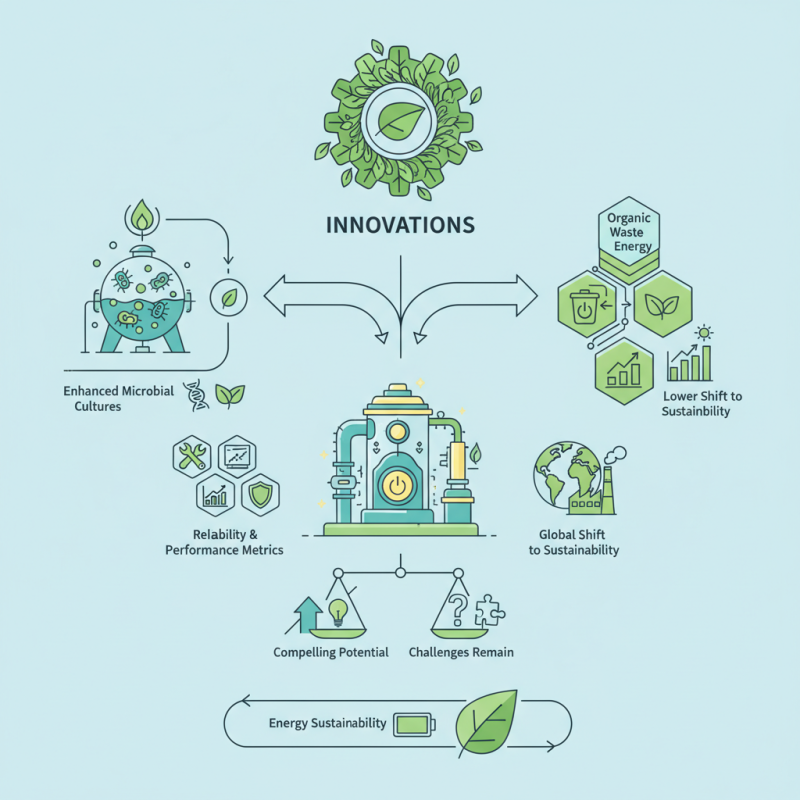
Recent innovations focus on improving the biological processes involved in energy production. Enhanced microbial cultures increase the yield of bio gas, making these systems more viable for diverse applications. As industries shift towards sustainability, adopting bio gas generators becomes more critical. However, not all innovations meet the expectations of efficiency and practicality.
Investors and users must critically assess the latest technologies. Emphasis should be placed on reliability and performance metrics. While there is compelling potential, challenges remain in optimizing these systems for widespread use. This article will explore the latest advancements in bio gas generator technologies and their implications for energy sustainability.
2026 Innovations in Biogas Generators: A Comprehensive Overview
In recent years, the biogas generator sector has seen remarkable innovations, driven largely by the need for sustainable energy solutions. According to a report by Market Research Future, the global biogas market is projected to reach USD 29.4 billion by 2026, growing at a CAGR of 5.4%. This highlights the increasing demand for efficient biogas technologies. Key advancements include improved anaerobic digestion processes, which enhance methane yield and reduce operational costs.
Another notable development is the integration of smart technologies in biogas generators. Sensors and IoT devices are now commonly used to monitor and optimize digestion conditions in real time. These innovations can boost a generator's efficiency by up to 30%, as stated in recent studies by the International Renewable Energy Agency (IRENA). However, despite these advancements, many systems face challenges with scalability and environmental integration.
The push for renewable energy has also led to an increased awareness of waste management solutions. Enhanced biogas systems are being implemented in both urban and rural settings, addressing waste disposal and energy creation simultaneously. Yet, issues surrounding investment costs and public acceptance continue to persist. Collaborations between local governments and private firms appear promising but require further evaluation to measure their long-term viability.
Key Technologies Driving the Biogas Industry Forward in 2026
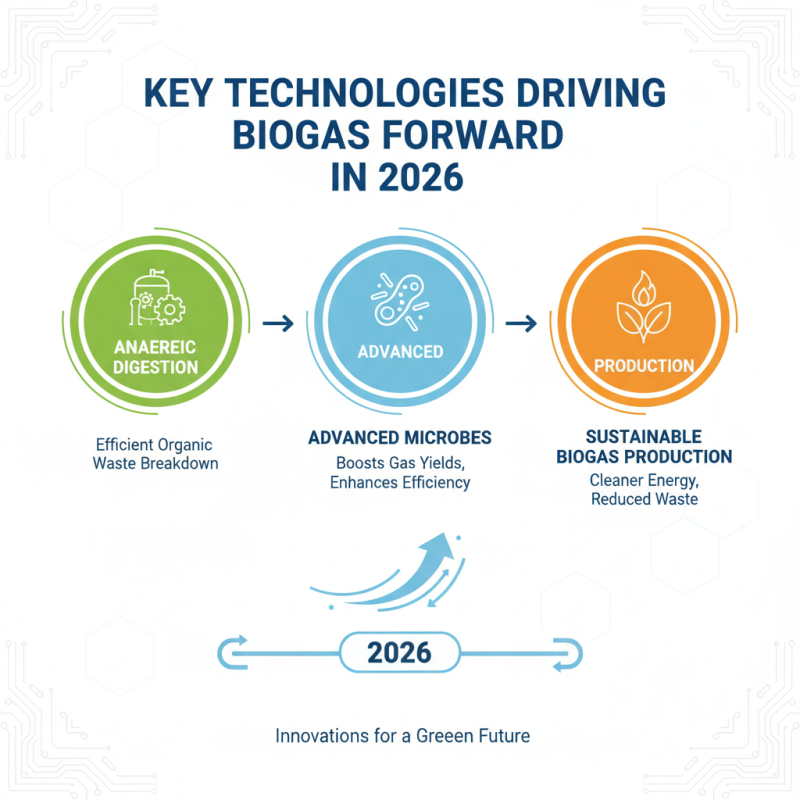
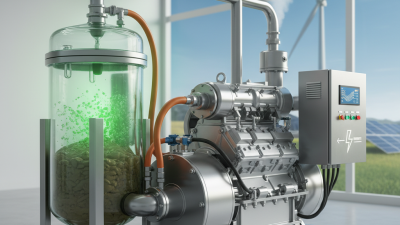
The biogas industry is poised for significant advancements in 2026. Several key technologies are driving innovation. Anaerobic digestion continues to lead the way, breaking down organic waste efficiently. New microbes are being discovered that can enhance this process. These microbes can improve gas yields, making biogas production more sustainable.
Upgrading technologies are also gaining traction. Membrane bioreactors are increasingly popular for purifying biogas. They remove impurities effectively, leading to higher-quality energy outputs. Innovations in biogas storage solutions are crucial too. These advancements help in maintaining gas quality over longer periods.
However, challenges remain within the industry. The reliance on traditional materials for biogas systems can hinder progress. There is a need for eco-friendly alternatives. Additionally, integrating biogas with other renewable resources is still a work in progress. The potential for synergy exists but requires careful planning and investment. Addressing these challenges will be vital for the industry’s growth in the coming years.
Critical Market Trends and Data Shaping Biogas Generator Development
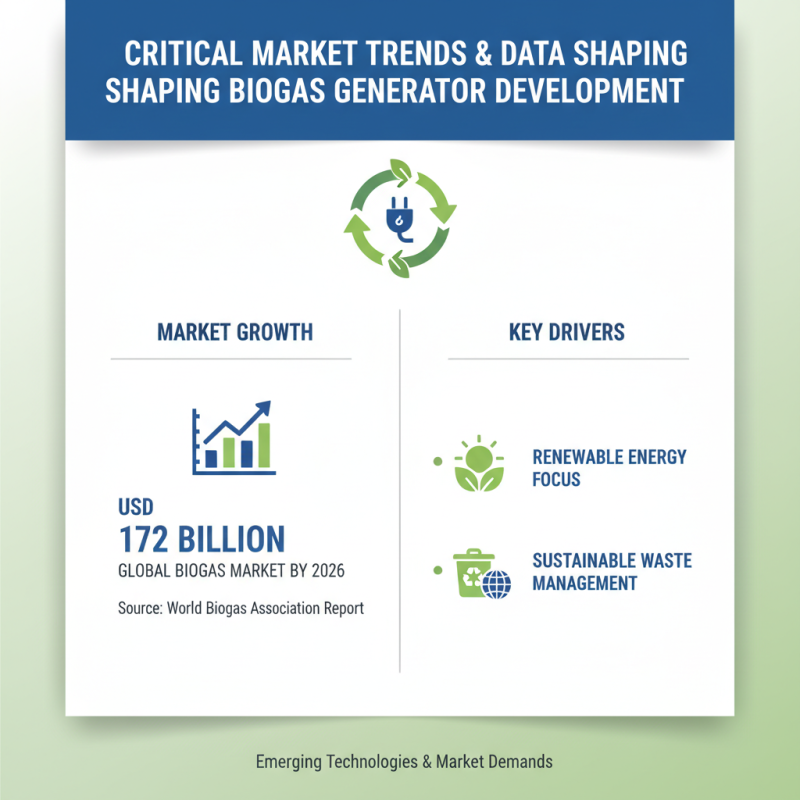
The biogas generator market is experiencing notable shifts driven by emerging technologies and market demands. According to a report by the World Biogas Association, the global biogas market could reach USD 172 billion by 2026. This growth is fueled by the increasing emphasis on renewable energy and sustainable practices in waste management.
One critical trend shaping the biogas generator development is the adoption of advanced materials and designs. Research shows that the use of high-density polyethylene in biogas systems enhances durability and reduces maintenance costs. Additionally, innovations in microbial technologies are gaining traction. Studies indicate that optimized microbial consortia can boost methane production by up to 30%. Such advancements provide a pathway to increase efficiency and sustainability.
Market data indicates a significant rise in small-scale biogas generators, particularly in rural areas. The International Renewable Energy Agency (IRENA) notes that decentralized energy solutions are more appealing for off-grid communities. Despite this, challenges remain, including high initial investment costs and regulatory barriers. Addressing these issues is essential for more widespread adoption. As the market evolves, stakeholder collaboration will play a vital role in overcoming obstacles and facilitating growth.
Environmental Impact: The Role of Biogas Technology in Sustainability
Biogas technology plays a crucial role in promoting sustainability. As of 2022, the global biogas market was valued at approximately $45 billion, with projected growth driven by increasing energy demands and environmental concerns. This form of renewable energy is derived from organic waste, offering a sustainable solution by converting waste into valuable energy. It reduces greenhouse gas emissions significantly. According to the International Energy Agency, biogas can cut methane emissions by up to 80% compared to traditional waste management methods.
However, challenges remain. Not all biogas systems effectively capture the potential energy from waste. Inadequate technology can lead to inefficiencies. Some facilities still struggle with scaling their operations. While biogas is celebrated for its clean energy production, the technology demands continuous improvement.
Innovations in anaerobic digestion and upgrading processes are essential. The focus on optimizing these technologies is pivotal to addressing energy needs without compromising environmental integrity.
Moreover, biogas projects can face social and regulatory hurdles. Community acceptance is critical, yet some areas show resistance to new projects. This highlights the importance of educational outreach. Engaging with local communities can help ease concerns. As biogas technology evolves, it is essential to balance innovation with public perception. These factors contribute to the path towards a more sustainable future.
Future Challenges and Opportunities for Biogas Generator Innovations
The biogas generator sector faces unique challenges and opportunities as we approach 2026. Increasing energy demands require innovative solutions. According to a recent report by the International Renewable Energy Agency, biogas production could increase by 30% in the next five years. This potential growth highlights both the urgency and importance of technological advancements in the field.
Regulatory frameworks need adaptation. Many regions struggle with outdated policies that stifle innovation. New regulations could encourage investment and support installations, driving competition. At the same time, the industry must tackle operational inefficiencies. Recent studies indicate that up to 40% of biogas plants operate below full capacity. Enhancing operational efficiency is vital for maximizing returns on investment.
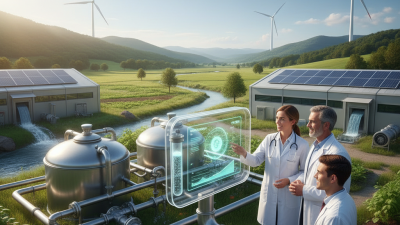
The adaptation of smart technologies offers a pathway to address these inefficiencies. Integrating IoT and AI can enhance monitoring and performance optimization. However, this shift requires skilled labor and upfront capital. As the industry evolves, training programs will be essential. Without talent development, advancements may outpace workforce capabilities.
2026 Top Bio Gas Generator Innovations and Technologies Explained
| Innovation/Technology |
Description |
Potential Benefits |
Challenges |
| Advanced Anaerobic Digestion |
Enhanced microbial processes for improved biogas yield. |
Higher efficiency and reduced waste output. |
Complexity of microbial management. |
| Biogas Upgrading Technologies |
Methods to clean and refine biogas into renewable natural gas (RNG). |
Increased marketability and usability. |
Cost of technologies may deter small-scale applications. |
| Microbial Fuel Cells |
Utilizing microbes to generate electricity from organic materials. |
Simultaneous waste treatment and energy production. |
Still in research phase; scalability issues. |
| Integrated Biogas Systems |
Combining biogas generation with other renewable technologies. |
Improved overall energy efficiency and resource management. |
Potential for higher setup costs and complexity. |
| Smart Monitoring Systems |
IoT-enabled solutions for real-time monitoring of biogas plants. |
Enhanced operational efficiency and predictive maintenance. |
Dependence on technology and potential cybersecurity risks. |

 Sinotruk Parts
 Shacman Parts
 FAW Parts
 Dongfeng Parts
 Foton Parts
 CHENGLONG PARTS
 Golden Dragon Bus Parts
 King Long Parts
 Yutong Parts
 Higer Parts
 Zhongtong Parts
 Ankai Parts



 Mr. Perry Wu International Sales Director