Leave Your Message

Top 10 Bio Gas Generator Benefits for Sustainable Energy Solutions?

In an age where sustainable energy solutions are vital, the focus on Bio Gas Generators has intensified. Dr. Emily Carter, a leading expert in renewable energy, emphasizes, “Bio Gas Generators transform waste into valuable energy, showcasing a pathway to sustainability.” Her insights reflect a growing recognition of how these systems can benefit both the environment and energy consumers.

Bio Gas Generators primarily convert organic waste into biogas. This renewable energy source is adaptable for various applications, from heating to electricity generation. The process not only reduces landfill waste but also lowers greenhouse gas emissions. In regions where traditional energy sources are limited, Bio Gas Generators present an innovative solution that is both reliable and eco-friendly.

Challenges do remain. The initial setup costs can be high, and public awareness is sometimes lacking. However, the tangible benefits, such as energy independence and waste management, make Bio Gas Generators a promising investment. Stakeholders must reflect on these challenges while embracing the extensive advantages these systems offer.
Top 10 Bio Gas Generator Benefits for Sustainable Energy Solutions?

Understanding Biogas Generators and Their Functionality

Top 10 Bio Gas Generator Benefits for Sustainable Energy Solutions?

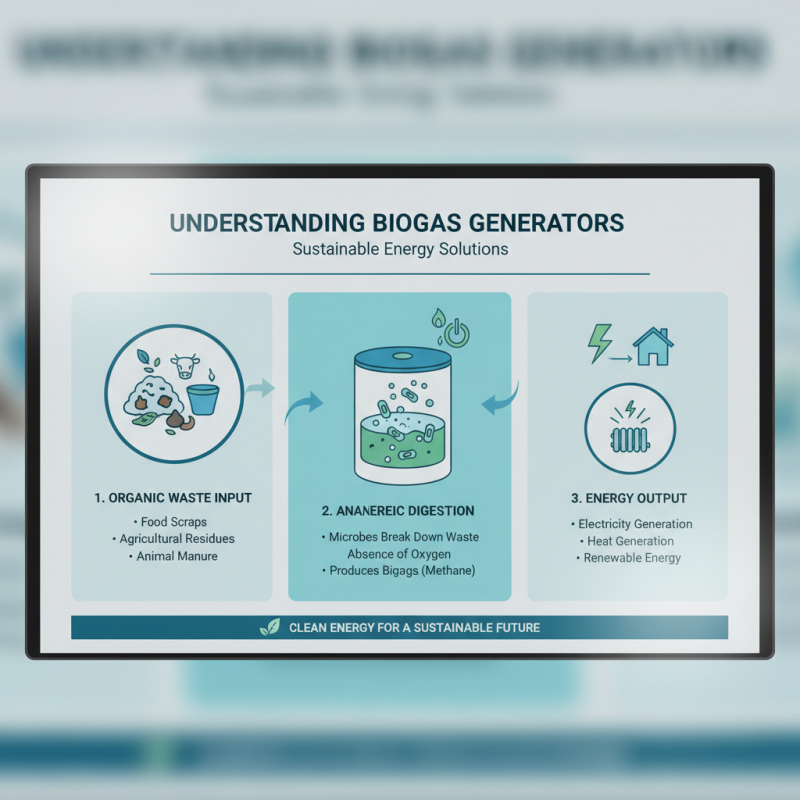
Biogas generators play a crucial role in sustainable energy solutions. They convert organic waste into energy. This process involves anaerobic digestion, where microorganisms break down waste without oxygen. The result is biogas, primarily composed of methane. This renewable energy can be used for electricity or heat generation.

Understanding how biogas generators function is vital. They require a specific environment to operate efficiently. Proper temperature and moisture levels are important. Poor conditions can lead to less energy production. Additionally, regular maintenance ensures maximum efficiency. Digestate, the by-product, can be used as nutrient-rich fertilizer. This contributes to a circular economy.

However, biogas technology isn't perfect. High initial costs may deter potential users. Not all organic materials break down easily, impacting yield. Different regions may have varying regulations, complicating implementation. Some may question the ecological impact of large-scale biogas facilities. These factors must be carefully considered for successful deployment.

Environmental Impact: Reducing Carbon Footprint with Biogas

Biogas is pivotal in reducing greenhouse gas emissions. According to the U.S. EPA, methane is a potent greenhouse gas, having over 25 times the warming potential of carbon dioxide over a 100-year period. Utilizing biogas helps capture this methane, which would otherwise escape into the atmosphere. By converting organic waste into energy, biogas generators significantly lower our carbon footprint.

Data from the International Renewable Energy Agency highlights that biogas can reduce CO2 emissions by up to 75% compared to fossil fuels. This shift not only combats climate change but also promotes circular economy practices. Biogas generators recycle waste, transforming it into a valuable energy source, and minimizing landfill contributions.

While the environmental benefits are clear, there are reflections needed in terms of operational efficiency and scalability. The initial setup costs may deter some entities. Moreover, not all regions have access to the necessary technology for biogas production. Each community must assess its unique circumstances, optimizing for effectiveness and sustainability. The journey toward effective biogas energy solutions requires ongoing adjustments and advancements.

Economic Advantages: Cost Savings and Job Creation

Biogas generators offer significant economic advantages. They convert waste into energy, reducing disposal costs. This transformation creates job opportunities in both construction and maintenance. Local communities benefit as more positions arise in renewable energy sectors. The need for skilled workers fosters training programs, enhancing the workforce.

Cost savings are prominent in biogas production. Reducing reliance on traditional fossil fuels lowers energy bills for businesses and households. By using organic waste, facilities can cut operational costs drastically. However, initial investments can be high, leading to concerns about financial feasibility. Over time, the return on investment becomes apparent, as savings accumulate.

Despite promising benefits, the implementation of biogas technology is not without challenges. Infrastructure requirements can be complex and costly. Communities may struggle with acceptance, as local perceptions shape development. Additionally, ongoing maintenance is essential to ensure efficiency and reliability. All these factors necessitate careful planning and consideration.

Top 10 Bio Gas Generator Benefits for Sustainable Energy Solutions

Benefit Description Economic Impact
Cost Savings Reduces energy costs for consumers and businesses. Lower energy bills leading to increased disposable income.
Job Creation Creates jobs in renewable energy sectors. Increased employment opportunities in local communities.
Energy Independence Reduces reliance on imported fossil fuels. Enhances national energy security and stability.
Waste Reduction Converts organic waste into energy. Cost savings in waste management and landfill fees.
Environmental Benefits Reduces greenhouse gas emissions. Potential cost avoidance from climate change impacts.
High Efficiency Generates more energy from waste compared to traditional methods. Maximized return on energy production investments.
Local Energy Production Energy is produced closer to where it is consumed. Lower transportation costs and enhanced local economies.
Improved Public Health Reduces air pollutants from burning fossil fuels. Decreased healthcare costs related to air quality issues.
Energy Storage Potential Biogas can be stored and used as needed. Flexible energy solutions enhance economic resilience.
Sustainable Development Supports sustainable agricultural practices. Long-term economic benefits for farming communities.

Energy Independence: Biogas as a Renewable Energy Resource

Biogas is emerging as a viable renewable energy resource. It is produced from organic materials through anaerobic digestion. This process converts waste into usable energy. By utilizing agricultural, industrial, and household waste, biogas offers a sustainable solution to energy production.

Energy independence is a significant benefit of biogas generators. They reduce reliance on fossil fuels, which are subject to price fluctuations. With a biogas system, communities can generate their own energy locally. This promotes sustainability and boosts local economies. However, the initial investment in biogas technology can be high.

Despite challenges, biogas stands out as a flexible energy source. It can be used for heating, electricity, and even vehicle fuel. System efficiency often relies on proper maintenance and feedstock management, which are critical. Local governments and organizations can play key roles in supporting biogas initiatives. While biogas has numerous benefits, ongoing support and education are essential for successful implementation.

Waste Management Benefits: Utilizing Organic Waste Efficiently

Utilizing organic waste effectively is crucial for modern waste management. Biogas generators transform organic materials into renewable energy. This process reduces landfill waste and improves sustainability. By converting food scraps and agricultural residues, we can minimize pollution and promote a circular economy.

The benefits are tangible. Waste that would otherwise decompose emits methane, a potent greenhouse gas. Biogas generators capture this gas, turning it into usable energy. This not only helps reduce emissions but also offers energy security. Communities can harness local resources, decreasing dependency on fossil fuels. However, this transition requires careful planning and technological investments.

There are challenges as well. The efficiency of biogas systems often varies based on waste composition. Not all organic waste is created equal. Some materials may not produce sufficient biogas, complicating processing efforts. Continuous research is needed to optimize these systems. Despite challenges, the potential for effective waste management through biogas remains promising.

Top 10 Bio Gas Generator Benefits for Sustainable Energy Solutions

This chart illustrates the benefits of bio gas generators, showcasing how they contribute to sustainable energy and waste management. The data highlights key advantages such as energy production, waste reduction, and greenhouse gas emissions savings.