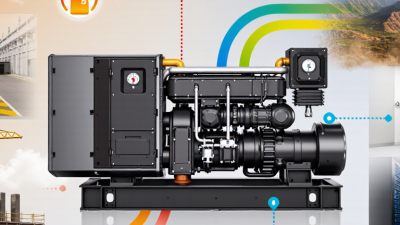
Choosing the best Power Electric Generator in 2026 requires more than comparing wattage and price. A generator may look powerful on paper, yet struggle with a refrigerator, water pump, or heating system when several loads start together. Real performance depends on rated output, surge capacity, fuel efficiency, transfer speed, noise, emissions, maintenance access, and long-term parts support.
Michael E. Webber, an energy systems expert and professor, has described energy as “the lifeblood of modern society.” That idea gives this comparison a practical direction. A dependable generator should protect daily life, not simply produce impressive numbers. Picture a hospital backup room, a construction site covered in dust, or a home facing a winter outage. Each setting demands a different balance of power, endurance, portability, and control.
There is no perfect model for every buyer. That is easy to forget. A compact inverter generator may be excellent for sensitive electronics, but unsuitable for whole-home backup. A large diesel unit can run for extended periods, but its installation and servicing needs are often greater. Battery-assisted systems also deserve attention in 2026, although their real-world value depends on climate, charging access, and outage duration.
This guide examines leading options through practical testing criteria and manufacturer specifications. It also considers less obvious details, including startup behavior, fuel storage, automatic transfer systems, operating sound, and repair networks. Some rankings may remain debatable. That is intentional. The right Power Electric Generator is not the most expensive one. It is the model that delivers dependable power when conditions become difficult.
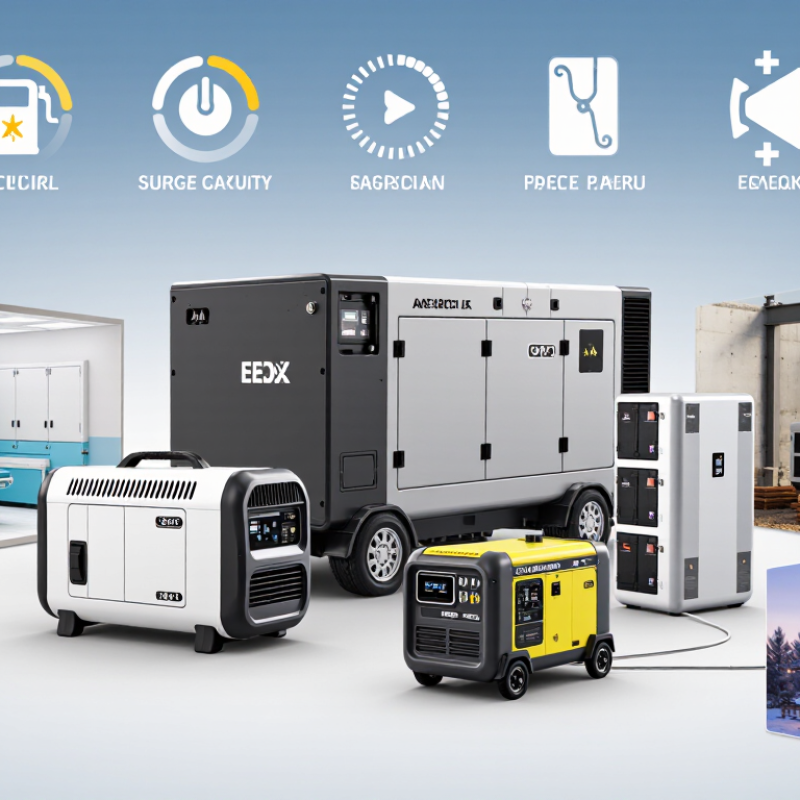
In 2026, the best power electric generator is not simply the largest or loudest machine. It is defined by dependable electricity, measured efficiency, and safe operation under changing demand. A clean, stable waveform matters for computers, medical equipment, and sensitive workshop tools. Look for tested voltage regulation, overload protection, and clear operating data. Small details matter. A readable display can prevent an expensive mistake during a long outage.
Real-world experience also changes the definition. A generator may perform well in a laboratory, yet struggle in dust, cold, or uneven terrain. Field evaluations should examine startup behavior, battery endurance, cooling, noise, and service access. I would record energy use at light, medium, and heavy loads. That comparison often challenges impressive product claims. The quietest model is not always the most practical.
Authority comes from transparent specifications, independent safety testing, and repair information that users can verify. Reliability includes more than runtime; it includes durable connectors, protected circuits, and parts availability. Environmental impact deserves attention too, including emissions, recyclable materials, and efficient standby performance. My own judgment remains imperfect. A higher purchase price can still be wasteful if maintenance is difficult or support disappears. The best choice depends on the load, location, climate, and consequences of failure. Measure those conditions before trusting a headline rating.
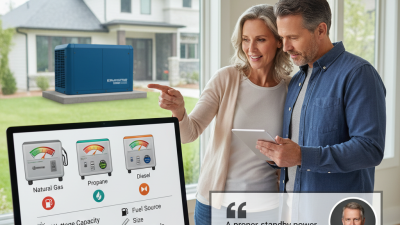
What Is the Best Power Electric Generator in 2026?
The best generator depends on load, fuel access, runtime, and emissions limits. Reciprocating engines burn diesel, gas, or other approved fuels inside cylinders. Their pistons turn a crankshaft, which drives an alternator. They start quickly and suit hospitals, construction sites, and peak-demand duties. Gas turbines compress air, mix it with fuel, and release expanding gases through turbine blades. They deliver high power with fewer moving parts, but usually perform better at steady, high loads.
Hydroelectric generators use falling or flowing water to rotate turbines. Wind generators convert blade rotation into electricity, often through variable-speed systems and power electronics. Solar photovoltaic systems work differently. They create direct current in semiconductor cells, then an inverter produces grid-compatible alternating current. IRENA reported about 585 gigawatts of renewable capacity additions in 2024, showing how quickly non-combustion generation is expanding. The IEA’s Electricity 2024 report also projected renewables would provide more than one-third of global electricity by 2025.
For backup reliability, engine generators remain practical because fuel can be stored and output is controllable. For low operating emissions, solar, wind, and hydro are stronger choices, though weather and geography matter. Battery systems can smooth renewable output, but they store electricity rather than generate it. A poor specification can waste fuel, overload equipment, or shorten service life. Not every “best” generator is best for every site. Field testing, protection settings, cooling capacity, and maintenance records deserve equal attention. The overlooked detail matters.
What Is the Best Power Electric Generator in 2026?
Comparing electric generators starts with usable output, not the largest advertised number. Check continuous watts, surge watts, and performance at 50% load. A refrigerator may need only 150 watts while running, yet require over 1,000 watts during startup. The U.S. Department of Energy’s 2023 Grid Energy Storage Technology and Cost Performance Assessment reports round-trip efficiency of roughly 86–95% for lithium-ion systems. That figure matters when stored energy becomes expensive during long outages.
Fuel or battery capacity should be tested against real demand. A generator rated for 2,000 watts may operate efficiently at 600 watts but lose efficiency near its limit. Record wattage with a meter, then measure runtime at 25%, 50%, and 75% load. Small details matter. A five-hour runtime is not useful if charging requires a full night. The U.S. Energy Information Administration also tracks growing electricity demand and increasing grid stress, making dependable backup power more relevant for homes and small workplaces.
Power quality deserves equal attention. Look for voltage regulation, frequency stability, and total harmonic distortion below 5% for sensitive electronics. Noise should be measured in decibels at a stated distance, not guessed from marketing language. International standard ISO 8528 separates standby and prime-power ratings, but buyers still confuse them. That mistake can shorten equipment life. No score is perfect. A quieter battery unit may lack long-duration capacity, while a fuel-based model may provide endurance but require ventilation, maintenance, and careful operating discipline.
Typical continuous rated output by generator class. Continuous output is more useful than peak output when comparing real operating capability.
How to compare: Choose a generator with continuous output at least 20% higher than your expected load. Also check inverter-based power quality, total harmonic distortion below 5% for sensitive electronics, runtime at a stated load, operating noise, fuel availability, emissions, and automatic transfer capability. The values shown are representative specifications for common generator classes, not data from a specific company or brand.
The best power electric generator in 2026 depends on the application, not the largest output. For homes, calculate essential loads carefully. A refrigerator, sump pump, internet modem, lights, and medical equipment may need less power than expected. Starting watts matter because motors draw extra energy. Quiet operation also matters during nighttime outages. The generator should connect through a properly installed transfer switch. A qualified electrician can prevent dangerous backfeeding. Keep the unit outdoors, away from windows and doors. Carbon monoxide can become deadly within minutes.
Businesses need a more structured plan. Offices may protect servers, security systems, elevators, and refrigeration equipment. Shops may prioritize payment terminals and emergency lighting. Check rated output, fuel consumption, runtime, and phase requirements before purchasing. Automatic transfer equipment can reduce downtime, but it needs regular testing. Maintain a simple log. Record start time, fuel level, load readings, and unusual sounds. Small details reveal problems early. My first planning mistake would be choosing capacity without measuring startup demand.
Emergency use requires discipline, especially after storms or earthquakes. Store approved fuel safely and follow local regulations. Never operate a generator in a garage, basement, or enclosed shelter. Heavy rain creates another risk, so use a dry, ventilated setup. Test the generator monthly under a realistic load. A portable unit may help one household, while a larger standby system may support a clinic or warehouse. Backup power is not automatic safety. People still need clear instructions, fresh batteries, and a realistic evacuation plan.
| Application | Recommended Continuous Output | Typical Starting-Surge Capacity | Suitable Generator Type | Common Fuel Options | Typical Runtime at 50% Load | Transfer Method | Portability | Important Selection Considerations |
|---|---|---|---|---|---|---|---|---|
| Essential Apartment Backup | 1,000–2,000 watts | 2,000–4,000 watts | Portable inverter generator or battery power station | Gasoline; rechargeable battery | 4–10 hours for fuel models; battery duration depends on capacity and load | Manual connection to selected appliances; never connect directly to a wall outlet | Easy to carry | Best for routers, lights, phone chargers, small refrigerators, and medical devices within their rated power limits. Fuel generators must be used outdoors. |
| Small Home Backup | 3,000–5,000 watts | 6,000–10,000 watts | Portable conventional or inverter generator | Gasoline; dual-fuel gasoline and propane | 6–12 hours, depending on tank size and load | Manual transfer switch or approved interlock installed by a qualified electrician | Wheeled; movable on level surfaces | Can support refrigeration, lighting, internet equipment, a sump pump, and selected kitchen appliances, but usually not whole-home electric heating. |
| Whole-Home Essential Circuits | 7,000–12,000 watts | 12,000–24,000 watts | Large portable generator or permanently installed standby generator | Natural gas; propane; diesel; gasoline for portable units | 8–24 hours for portable fuel units; standby duration depends on the fuel supply | Automatic transfer switch for standby systems; manual transfer switch for portable systems | Stationary or trailer-mounted | Load calculation is essential, especially for pumps, compressors, air conditioners, and other motor-driven equipment with high starting demand. |
| Remote Work and Home Office | 1,500–3,000 watts | 3,000–6,000 watts | Inverter generator or battery power station with pure sine-wave output | Gasoline; propane; rechargeable battery | 5–12 hours for fuel models; battery duration varies by energy storage capacity | Direct connection to approved extension cords or a dedicated backup circuit | Portable | Prioritize stable voltage, low noise, clean power, USB charging, and sufficient capacity for computers, monitors, networking equipment, and cooling devices. |
| Construction and Job Sites | 5,000–15,000 watts | 10,000–30,000 watts | Heavy-duty conventional generator | Gasoline; diesel | 8–14 hours, depending on tank capacity and workload | Heavy-duty extension cords and distribution panels with ground-fault protection | Wheeled or trailer-mounted | Choose models with high surge capacity, weather protection, durable frames, suitable outlet ratings, and adequate grounding for power tools and compressors. |
| Small Retail Store or Office | 8,000–20,000 watts | 16,000–40,000 watts | Commercial standby or heavy-duty portable generator | Natural gas; propane; diesel | 8–24 hours, depending on fuel infrastructure and load | Automatic transfer switch recommended for critical circuits | Stationary or trailer-mounted | Size the system for refrigeration, point-of-sale equipment, security systems, lighting, network hardware, and ventilation without exceeding continuous ratings. |
| Restaurant and Food-Service Backup | 15,000–40,000 watts | 30,000–80,000 watts | Commercial standby generator | Diesel; natural gas; propane | 12–48 hours, depending on fuel storage and operating load | Automatic transfer switch with professionally designed distribution | Stationary | Account for refrigeration compressors, ventilation, pumps, cooking equipment, emergency lighting, and local fire and electrical requirements. |
| Emergency Response and Disaster Relief | 5,000–30,000 watts | 10,000–60,000 watts | Portable commercial generator or trailer-mounted generator | Diesel; gasoline; propane | 8–24 hours, depending on fuel tank and load | Temporary distribution panels, rated cables, and professional connection procedures | Wheeled or trailer-mounted | Mobility, fuel availability, weather resistance, multiple outlet types, grounding, carbon-monoxide monitoring, and service support are key priorities. |
| Agricultural Pump and Equipment Backup | 10,000–50,000 watts | 20,000–100,000 watts | Diesel standby generator or high-capacity portable generator | Diesel; natural gas; propane | 12–48 hours, depending on tank size and load | Manual or automatic transfer switch designed for the farm electrical system | Stationary, wheeled, or trailer-mounted | Motor-starting requirements can be several times higher than running power. Confirm phase, voltage, frequency, and pump specifications before purchase. |
| Outdoor Events and Temporary Power | 3,000–20,000 watts | 6,000–40,000 watts | Quiet inverter generator or commercial portable generator | Gasoline; propane; diesel | 6–14 hours, depending on fuel tank and load | Temporary distribution board with weather-rated cables and residual-current protection | Portable or trailer-mounted | Consider noise limits, fuel storage, weather protection, cable length, lighting loads, audio equipment, and safe separation from the public. |
Choosing the best power electric generator in 2026 starts with your actual load, not the advertised peak output.
A refrigerator may need 1,200 starting watts, although it uses only 200 running watts. Add lighting, pumps, and sensitive electronics before selecting capacity. Leave at least 20% headroom for motor surges and future equipment.
The IEA’s Electricity 2025 report projects global electricity demand to grow by about 4% annually through 2027. That pressure makes efficient backup power more valuable.
Compare fuel consumption, battery storage, voltage stability, noise, and service intervals. For homes, an automatic transfer switch can restore essential circuits quickly. Installation should follow local electrical codes and qualified professional guidance. ISO 8528 provides useful performance classifications for engine-driven generator sets, but buyers often overlook waveform quality. I once saw a “suitable” unit cause unstable operation in audio equipment.
Tips:
Avoid buying the largest model automatically. Oversizing can increase fuel waste and reduce efficient operation. Battery systems may suit short outages, while fuel generators remain practical for extended events.
Your outage pattern, climate, maintenance skills, and budget should shape the decision. Industry data helps, but real household measurements are still essential.