Top 10 Tips for Choosing the Best Small Generator?
Choosing the right small generator can be overwhelming. With so many options available, it's crucial to understand what fits your needs. According to John Mason, a small generator expert, "The right small generator can be a lifesaver during power outages." This sentiment highlights the importance of making an informed choice.
Small generators serve various purposes, from camping adventures to emergency home backup. They come in different sizes and fuel sources, which might confuse buyers. It's essential to evaluate your power requirements and consider factors like portability and noise levels. However, buyers often overlook these details, leading to dissatisfaction.
Despite their benefits, small generators have their drawbacks. Some users find them less powerful than expected. Others may struggle with maintenance. Balancing the advantages and disadvantages is key. Reflecting on personal needs is crucial in this process. Engaging with experts can provide clarity and assurance in choosing the ideal small generator for your situation.
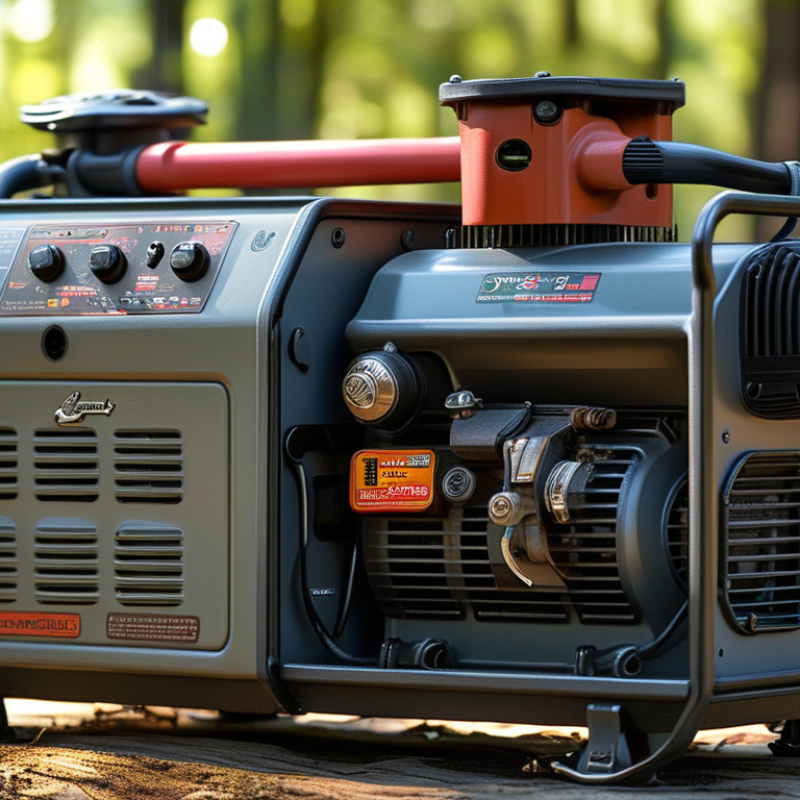
Understanding the Power Needs for Your Small Generator
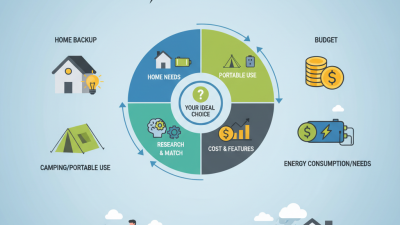
When choosing a small generator, understanding your power needs is crucial. Many people overlook this detail. The average household requires about 3,000 to 5,000 watts for basic functions during a blackout. You must assess your devices’ wattage. For instance, a refrigerator typically needs around 600 watts. Add to that the power for lights, devices, and fans. This simple calculation lays the groundwork for selecting a suitable generator.
Consider your requirements before making a purchase. Start by listing essential appliances. Calculate starting and running watts for each device. Small generators often produce between 1,000 to 3,000 watts. Some reports indicate that over 80% of generator users fail to account for surge power needs. This oversight can lead to frustrating experiences and malfunctions.
Don’t rush the selection process. Evaluate your loyalty to certain energy-efficient devices. The more informed you are, the better choices you can make. Portable generators allow for versatile usage, whether for DIY projects or camping trips. Knowing your power needs protects your investment. Always remember, a little extra wattage is better than not having enough.
Essential Features to Consider in Small Generators
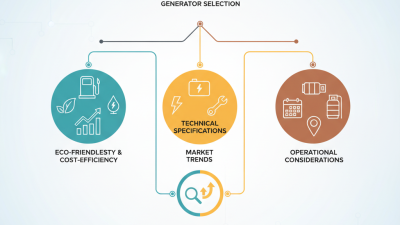
When selecting a small generator, consider key features that ensure reliability and efficiency. Fuel type matters. Gasoline generators are popular for their availability. However, propane options are cleaner and safer. Think about your power needs too. Calculate the wattage required for your essential devices. This step is crucial to avoid overloading your generator.
Portability is another factor. Look for a generator with wheels and a lightweight design. This feature allows easy transportation, especially during emergencies or outdoor activities. Noise level is important as well. Some generators operate quietly while others can be quite loud. If noise is a concern, check for models with low decibel ratings.
Lastly, installation and maintenance play a role. Some generators need professional setup, while others are user-friendly. Regular maintenance is necessary for long life. Neglect can lead to performance issues or failures. Prioritize reliability and ease of use when making your choice.
Evaluating Fuel Types and Efficiency for Generators
When selecting a small generator, fuel type plays a critical role in efficiency and performance.
Gasoline generators are commonly available, often favored for their convenience and power output. However, they can be less efficient, especially in terms of fuel consumption.
Propane generators offer cleaner burning and can be more efficient. They perform well in colder temperatures but may lack the power required for heavy-duty applications.
Considering diesel generators is also important. They are known for their longevity and fuel efficiency, making them a reliable option. However, diesel can be harder to find and might not be as versatile for all situations.
Evaluating the expected load is crucial. Choosing the wrong fuel type can lead to excessive costs and operational inefficiencies.
Understanding your specific needs will guide your choice. It's essential to reflect on how often you'll use the generator and for what purpose. If you're preparing for occasional use, a gasoline model might suffice.
For regular and heavier use, assess the benefits of diesel or propane. Take time to weigh the pros and cons of each fuel type before making a decision.
Reading Reviews and Ratings Before Making a Purchase
Reading reviews and ratings is crucial when choosing the best small generator. According to a report from the Portable Generator Manufacturers Association, 70% of consumers rely on reviews before making a purchase. Reviews provide insights beyond product specifications. They highlight user experiences, reliability, and overall satisfaction.
User ratings can guide you towards well-performing models. A generator with a high rating often reflects quality and trust. However, consider both positive and negative reviews. A common issue noted in reviews is fuel efficiency. Many users mention dissatisfaction with how long generators run on a single tank. This feedback can be vital in decision-making.
Also, take note of the context in which reviews are written. Generators used for camping may differ from those used for home backup. Each scenario presents unique requirements. A user might rate a generator highly for portability but poorly for noise levels. Keep this in mind when interpreting reviews.
Budgeting: How Much to Spend on a Good Small Generator
When budgeting for a small generator, consider your specific needs.
Determine how often you intend to use it.
Will it be for camping, backup power, or home use? Understanding your purpose helps narrow down options.
Cost varies widely based on features and power output.
Entry-level generators may start around $200, while higher-capacity models can exceed $1,000.
Evaluate what you truly need. Spending more doesn’t always mean better performance.
Research fuel efficiency and runtime. A generator that consumes less fuel saves money in the long run.
Reflect on maintenance costs too. Some generators require more upkeep, impacting your budget.
Look for a model with good customer reviews.
User experiences provide insight into reliability.
After all, a generator's true worth is in its performance when you need it most.
Take your time to weigh these factors before making a purchase.

 Sinotruk Parts
 Shacman Parts
 FAW Parts
 Dongfeng Parts
 Foton Parts
 CHENGLONG PARTS
 Golden Dragon Bus Parts
 King Long Parts
 Yutong Parts
 Higer Parts
 Zhongtong Parts
 Ankai Parts



 Mr. Perry Wu International Sales Director