10 Best Automatic Generators for Reliable Backup?
When the lights fail, a dependable Automatic Generator should start without drama, transfer power safely, and keep essential circuits running. The best choice depends on the home, climate, fuel supply, and the equipment you cannot afford to lose. A refrigerator, sump pump, and medical device create very different demands from a whole-house system. Bigger is not automatically better.
Benjamin Franklin, the American electrical pioneer, offered a useful reminder: “An ounce of prevention is worth a pound of cure.” For backup power, that means checking maintenance access, exercising schedules, transfer-switch compatibility, and real-world load capacity—not just comparing advertised wattage. The ten options in this guide are assessed around those practical details, alongside fuel type, noise, monitoring features, warranty support, and installation needs. No single model suits every property. A quiet unit may cost more; a powerful one may need more space and service.
Small details matter. Can a technician reach the oil filter easily? Will the unit start after months of inactivity? Can it carry the starting surge from a well pump? These questions deserve clear answers. Product specifications help, but they do not replace a site-specific assessment by a qualified installer. And even a well-reviewed generator can disappoint if it is poorly sized or neglected. This comparison aims to make the trade-offs visible, while recognizing that reliability is earned through correct selection, professional installation, and regular testing. One caveat remains: published ratings cannot guarantee performance in every home.
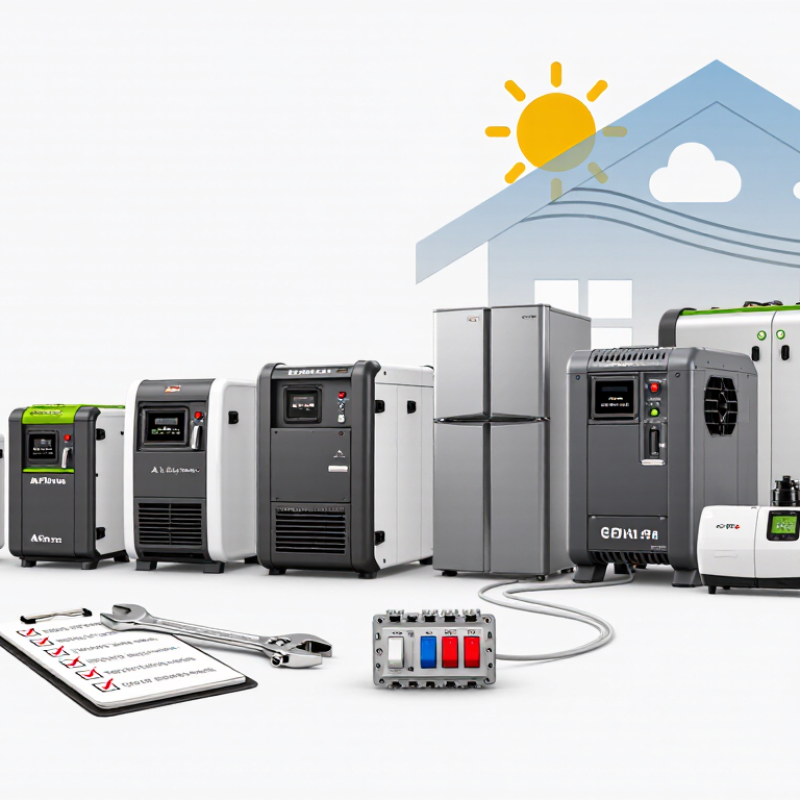
Automatic Backup Generators: Standby Systems, Fuel Types, and Key Terms
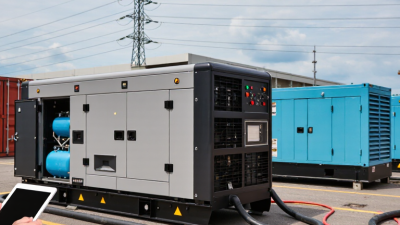
An automatic standby generator stays outside the home and starts when it detects a utility outage. A transfer switch moves selected circuits from grid power to generator power, helping prevent unsafe backfeed. The switch also restores utility power when service returns. This system differs from a portable generator, which usually requires manual setup and connection. Quietly, it takes over. A qualified installer can assess the home’s electrical panel, starting loads, and essential circuits before recommending capacity. Air conditioners and pumps may draw much more power when they start than while running. That detail is easy to miss.
Fuel choice affects runtime, upkeep, and installation. Natural gas can provide a continuous supply where service remains available, but outages may disrupt it too. Propane stores well in a tank, though the tank needs space and periodic inspection. Diesel can suit larger systems, but fuel condition and maintenance deserve attention. There is no perfect option. “Wattage” describes electrical output; “kW” is commonly used to express generator capacity. A load-management system may temporarily pause less important equipment when demand rises. Ask about transfer-switch ratings, exercise schedules, ventilation, and service access. Even a reliable unit can disappoint if routine testing slips, and I would not assume an automatic start means every circuit is protected.
How Automatic Transfer Switches Detect Outages and Restore Power
An automatic transfer switch (ATS) continually checks the incoming utility supply for acceptable voltage and frequency. If power fails or drifts beyond its settings, the switch waits briefly to avoid reacting to a momentary flicker. Then it signals the standby generator to start. Once the generator’s output is stable, the ATS transfers selected circuits to generator power. The switch manages the handoff; it does not generate electricity. That pause matters.
Tips: Ask a qualified electrician to confirm the ATS matches your generator and essential circuits. Test the system according to its manual, and note how long startup and transfer take. A test can reveal a weak battery or an unexpected delay.
When utility power returns, the ATS usually checks that supply remains stable for a set interval before switching the load back. The generator may then run without load briefly to cool down before stopping. Exact timing and settings vary by equipment and installation. Keep the switch accessible, label critical circuits clearly, and avoid assuming every outlet is backed up. Real systems can behave less neatly than diagrams suggest, so review test results and investigate repeated failed starts or delayed transfers with a qualified technician.
Sizing a Generator: kW Ratings, Starting Loads, and NEC Article 702
A dependable backup generator is sized around real electrical loads, not the biggest number on an appliance label. List the watts each essential device uses while running, then identify which motors start together. A refrigerator, sump pump, and furnace blower may run modestly, yet their motors can briefly demand much more power at startup. That surge matters. Check appliance manuals for starting watts, or ask an electrician to measure critical circuits. Add the loads that must operate at the same time, and leave capacity for brief peaks. This estimate is not perfect; motor behavior and household routines vary.
NEC Article 702 covers optional standby systems. It addresses transfer equipment that keeps a backup source from unintentionally connecting to the utility supply. The equipment and installation must suit the system and applicable local code. A qualified electrician can verify transfer arrangements, circuit loads, and whether load management is needed. For example, controls may delay a water heater until a pump or blower has started. A kW rating alone does not confirm that a generator can handle every startup event.
Tips: Write down essential circuits. Note each motor’s starting demand. Avoid assuming every appliance runs at once. Have a professional check the panel and transfer equipment before choosing a unit. Short notes help. A little extra capacity can feel reassuring, but oversizing also has tradeoffs, including cost and less efficient operation under light loads.
Comparing 10 Standby Generators by Output, Fuel, and Warranty
A useful comparison of ten automatic standby generators starts with usable output, not the largest number on the carton. Check rated kilowatts and starting capacity against the loads that matter: a furnace, refrigerator, sump pump, and selected lighting. EIA reliability data reported about 5.5 hours of average U.S. customer interruptions in 2022, including major events. That makes real-world outage length worth considering when comparing fuel use and runtime. Natural gas avoids on-site refueling, but supply may fail during some emergencies; propane needs adequate storage. Diesel brings different storage and maintenance demands. No option is effortless.
Warranty terms deserve the same scrutiny as output. Compare coverage length for parts, labor, and the engine separately, and check whether service visits or registration affect coverage. Also ask what happens after repeated transfers or long operating hours. NFPA 110’s 10-second performance class applies to specified emergency power systems, not every residential installation, so avoid treating it as a universal home-generator promise. Sizing is messy. A panel’s full rating does not equal its actual backup load, and short motor-starting surges can change the result. I would compare all ten units using the same load list, fuel assumptions, and warranty questions; otherwise, a tidy ranking can hide a poor fit.
Reliability Checks: NFPA 110 Type 10 Requires Power Within 10 Seconds
NFPA 110 Type 10 is a response-time requirement, not a promise that every generator will perform perfectly. For a designated emergency power supply system, Type 10 means power must reach the required loads within 10 seconds after normal power fails. The exact setup depends on the system design and locally adopted requirements. The generator, starting batteries, controls, and transfer switch all affect that result.
A ten-second label can sound reassuring; by itself, it proves little. The U.S. Energy Information Administration’s Electric Power Annual reported about 5.5 hours of average customer interruption in 2022, including major events. That figure describes grid outages, not generator performance, but it shows why backup readiness matters. During commissioning, technicians should verify the full sequence: simulate utility loss, confirm automatic starting, and measure transfer time at the connected loads. Then test under realistic load. A generator that starts quickly but cannot carry critical equipment has not passed the practical test.
Keep a written record of start times, battery condition, fuel status, and failed attempts. NFPA 110 outlines inspection, testing, and maintenance practices for emergency power supply systems; follow the applicable edition and equipment instructions. Cold mornings can expose weak batteries. So can a sticky transfer switch. One missed test is easy to explain away, but recurring delays deserve investigation.

 Sinotruk Parts
 Shacman Parts
 FAW Parts
 Dongfeng Parts
 Foton Parts
 CHENGLONG PARTS
 Golden Dragon Bus Parts
 King Long Parts
 Yutong Parts
 Higer Parts
 Zhongtong Parts
 Ankai Parts



 Mr. Perry Wu International Sales Director