What Are the Benefits of Using CNG Generators for Businesses?
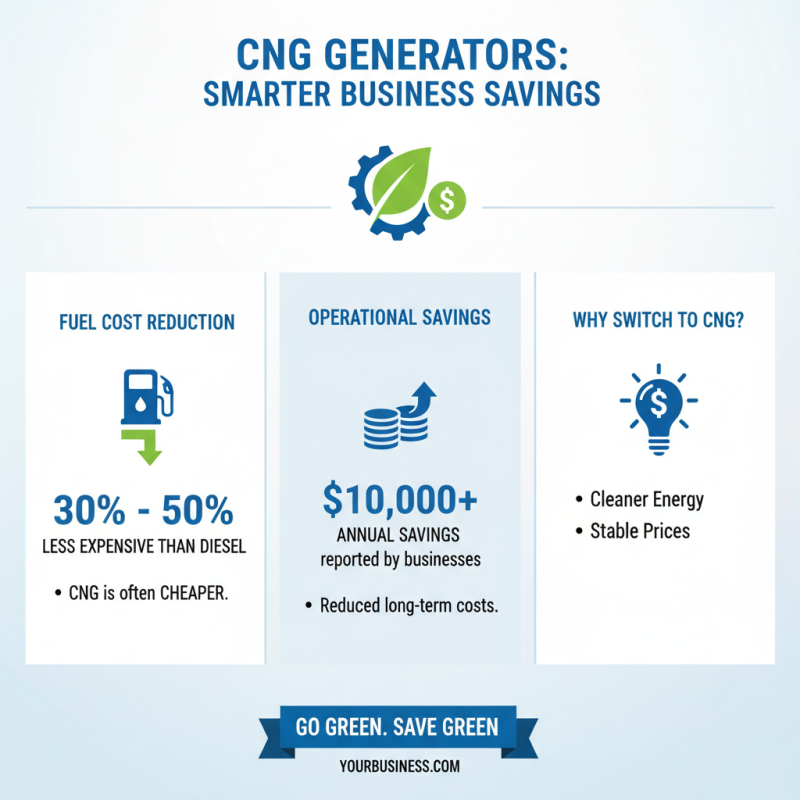
In recent years, businesses have begun to explore the advantages of using CNG (Compressed Natural Gas) generators. These generators are known for their efficiency and eco-friendliness. According to Dr. Jane Holloway, an expert in sustainable energy solutions, "CNG generators can significantly reduce operational costs while promoting a cleaner environment." This perspective reflects the growing interest in greener energy solutions among various industries.
CNG generators offer a reliable power source, especially in areas prone to outages. The switch to CNG can lead to lower emissions and improved air quality. Many companies have reported enhanced performance and reduced fuel costs. However, transitioning to this technology may present challenges. Some businesses face training needs and initial investment concerns.
The long-term benefits, though, often outweigh these initial hurdles. Embracing CNG generators can position a business as environmentally responsible. It may even attract eco-conscious customers. As industries strive for sustainability, the importance of exploring innovative energy solutions like CNG generators cannot be overstated.
Overview of CNG Generators and Their Functionality
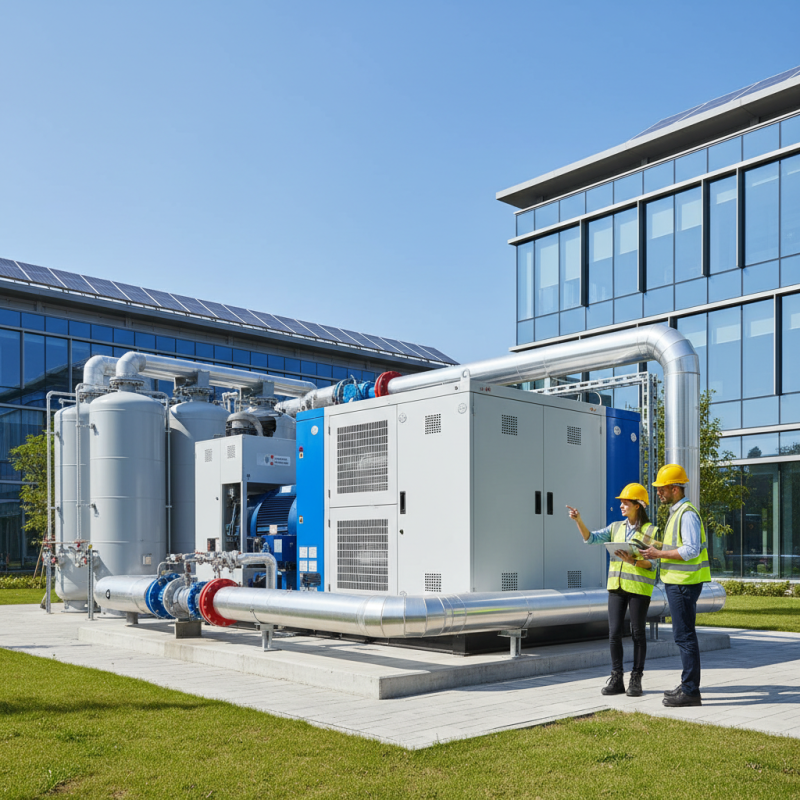
CNG generators, powered by compressed natural gas, are an innovative solution for businesses seeking sustainable energy. They convert natural gas into electricity, providing an efficient power source. Their functionality includes low emissions, reduced operational costs, and quiet operation. Many companies find CNG generators advantageous in remote locations where electricity supply might be unstable.
The technology behind CNG generators is continually evolving. They are designed with advanced features for safety and performance. However, some businesses may face initial installation challenges. Adequate planning is crucial to ensure a smooth transition from traditional power sources. Moreover, there is a learning curve associated with their maintenance. Proper training for staff can mitigate potential issues.
Businesses must assess their energy needs before investing in CNG generators. While they offer numerous benefits, not every company may find them suitable. The cost of infrastructure can be significant. A thorough evaluation of long-term benefits versus upfront costs is essential. Adopting CNG generators may not be a one-size-fits-all solution. However, the responsible use of this technology can lead to a positive impact on the environment and bottom line.
Benefits of Using CNG Generators for Businesses
This bar chart illustrates the key benefits of using CNG generators for businesses, highlighting cost savings, environmental impact, reliability, and energy efficiency.
Environmental Benefits of Using CNG in Power Generation
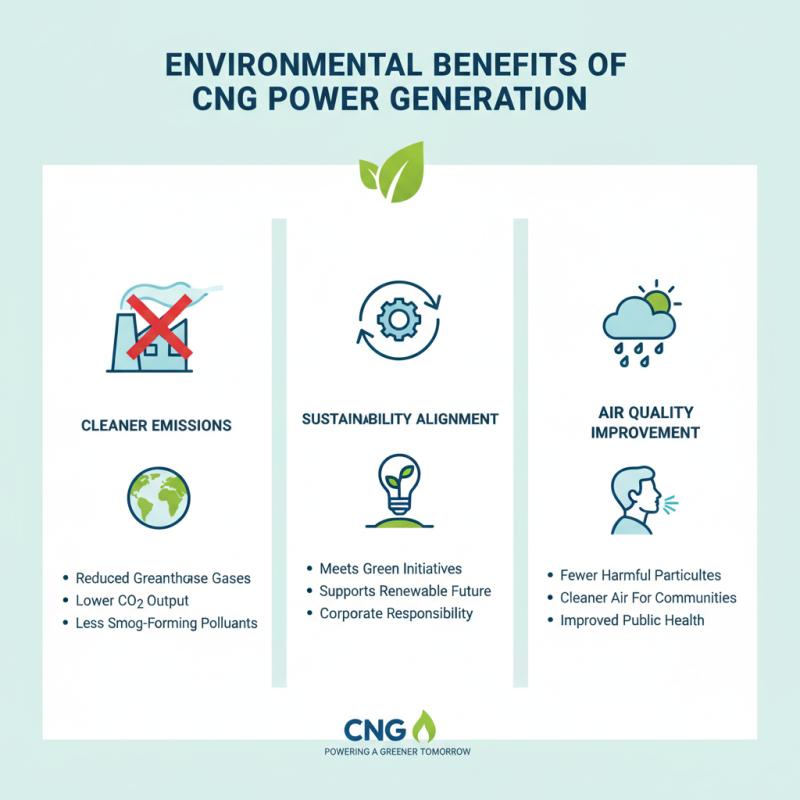
CNG, or compressed natural gas, has become a popular choice for businesses looking to reduce their environmental impact. Using CNG generators for power generation significantly cuts greenhouse gas emissions. This shift helps companies align with sustainability goals.
CNG emits lower levels of carbon dioxide compared to traditional fuels. It also releases fewer particulate matter and sulfur dioxide. This means cleaner air for communities surrounding businesses. Moreover, the use of CNG can aid in compliance with increasingly strict environmental regulations. Companies grappling with these shifts can benefit from converting to cleaner energy sources.
Yet, adopting CNG is not without challenges. Initial setup costs for new generators can be high. There may also be a learning curve associated with transitioning staff to new technologies. Evaluating these aspects is crucial for any business considering the switch. However, the long-term environmental benefits may outweigh these hurdles. Ultimately, CNG presents a viable option for companies committed to reducing their carbon footprint.
Reliability and Efficiency of CNG Generators Compared to Alternatives
CNG generators are gaining traction for businesses seeking reliable energy sources. Research shows that CNG (Compressed Natural Gas) is often more efficient than traditional generators. They typically convert about 98% of the fuel’s energy into usable power. This impressive efficiency can lead to lower operational costs, with some reports indicating savings of up to 30% compared to diesel generators.
Moreover, CNG generators produce fewer emissions. They emit up to 40% less greenhouse gas and 90% fewer particulates than their diesel counterparts. This cleaner output is crucial for companies aiming to meet stringent environmental regulations. Businesses can reduce their carbon footprint while promoting sustainability. However, transitioning to CNG generators can involve initial hurdles, such as infrastructure adjustments and fuel availability.
Reliability is also a key factor. CNG generators can run for long hours without frequent refueling. Research indicates they can perform well even in emergencies. However, companies should assess their specific energy needs and local resources to determine if CNG aligns with their objectives. Balancing efficiency, environmental impact, and cost is essential for making informed decisions in today’s competitive landscape.
Challenges and Considerations in Adopting CNG Generators for Business
Adopting CNG generators for businesses comes with notable challenges. One primary concern is the initial investment required for infrastructure. Setting up a fueling station can be costly. Studies show that businesses may face expenditures upwards of $500,000 for complete installation. These costs can deter smaller firms with limited budgets.
Another challenge is the availability of CNG fuel. In some regions, infrastructure is still underdeveloped. According to the U.S. Department of Energy, only 1,700 public CNG stations existed as of 2021. This limited access can impact operational efficiency. Companies may find it difficult to ensure continuity in their power supply.
Maintenance and technical expertise also pose hurdles. CNG generators require specialized knowledge for effective operation. Businesses must either train existing staff or hire new technicians. This requirement can introduce additional operational complexities. Companies must weigh these factors carefully. Balancing the benefits of lower emissions and fuel costs against potential drawbacks is essential before adopting CNG technology.

 Sinotruk Parts
 Shacman Parts
 FAW Parts
 Dongfeng Parts
 Foton Parts
 CHENGLONG PARTS
 Golden Dragon Bus Parts
 King Long Parts
 Yutong Parts
 Higer Parts
 Zhongtong Parts
 Ankai Parts



 Mr. Perry Wu International Sales Director