Why Choose a CNG Generator for Your Energy Needs?
Choosing a CNG generator for your energy needs is becoming increasingly popular. CNG, or compressed natural gas, is a cleaner alternative to traditional fuels. Experts have noted its growing benefits for various applications. John Smith, a leading authority in energy solutions, stated, "CNG generators offer a sustainable power source for our future."
The CNG generator industry is expanding, driven by a demand for eco-friendly options. These generators emit less pollution than diesel or gasoline engines. Many companies are now investing in CNG technology to reduce their carbon footprint. Using a CNG generator can significantly lower operational costs, too. It’s a compelling choice for both industrial and residential energy needs.
However, it is crucial to consider the infrastructure available for CNG fueling. Some regions may lack adequate support, making CNG less accessible. This reality presents a challenge for those looking to switch. Balancing the benefits with practical considerations is essential for informed decision-making. With proper evaluation, a CNG generator can be a valuable investment for a sustainable future.
Understanding CNG Generators: An Overview of Their Functionality
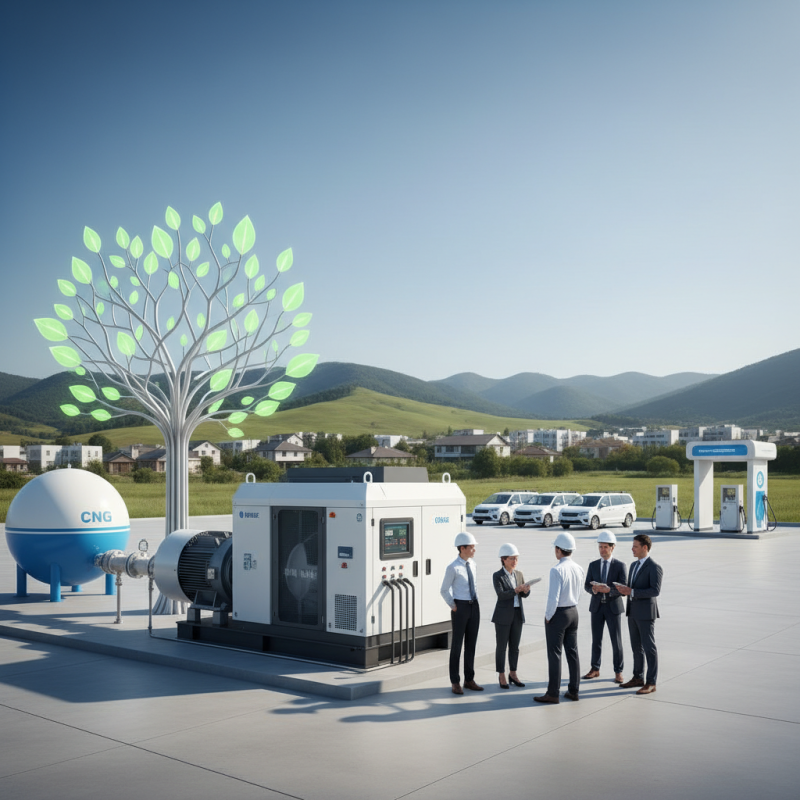
CNG generators are an innovative solution for various energy requirements. They operate by converting compressed natural gas into electricity, making them efficient and eco-friendly. This energy transformation takes place through a combustion process, where CNG fuels the engine. The byproduct is significantly cleaner than traditional fossil fuels, reducing harmful emissions.
Their design allows for effective energy production on-site. This is particularly useful for industries and businesses that require a consistent power supply. The compact size of CNG generators also makes them flexible, fitting into various settings. However, the initial setup costs can be a hurdle for some. Maintenance is essential to ensure optimal performance, and neglecting this can lead to inefficiencies.
While CNG generators are promising, they are not without challenges. Fuel supply reliability is crucial for continuous operation. Users need to evaluate their local natural gas availability. Additionally, the technology may not be suitable for every application. Yet, for many, a CNG generator represents a step toward sustainable energy solutions.
The Environmental Benefits of Using CNG Generators for Power
Natural gas has become a popular alternative for power generation. CNG generators, powered by compressed natural gas, offer significant environmental benefits. They produce fewer greenhouse gases compared to traditional diesel or coal generators. This can contribute to cleaner air in urban areas, which is crucial for public health.
CNG also burns more efficiently than many fossil fuels. This means it emits lower levels of carbon monoxide and nitrogen oxides. Transitioning to CNG can be seen as a step towards sustainable energy solutions. However, some may question the infrastructure needed for widespread adoption. Building CNG refueling stations requires investment and planning.
While CNG generators are cleaner, they are not perfect. There are concerns about methane leaks during extraction and distribution. Methane is a potent greenhouse gas, and any leaks can offset the benefits. Understanding these complexities is essential to making informed energy choices. The journey to a greener future is filled with challenges, necessitating careful consideration of all factors involved in power generation.
Cost Efficiency and Economic Advantages of CNG Generators
When considering energy solutions, CNG generators stand out due to their cost efficiency. Compressed Natural Gas (CNG) is often cheaper than other fuel options. This pricing advantage can lead to significant savings over time. For businesses, reducing energy costs directly impacts the bottom line. However, it’s crucial to assess local market rates for natural gas to fully understand potential savings.
Using a CNG generator can also lead to lower maintenance costs. Unlike diesel generators, CNG units typically have fewer moving parts. This simplicity often results in less wear and tear, leading to longer lifespans. Regular maintenance is still necessary. Minor issues can develop if ignored, affecting performance and costs.
**Tips:** Regularly check local CNG prices. Staying informed helps you save. Consider potential subsidies or incentives for using alternative fuels. Exploring these options can enhance your savings further. Understanding your energy consumption can ensure you're choosing the right generator size. Proper sizing prevents waste and maximizes efficiency.
Cost Efficiency of CNG Generators vs. Diesel Generators
The chart above illustrates the cost per kilowatt-hour for CNG generators compared to diesel generators. As shown, CNG generators provide a significant cost advantage, making them a favorable choice for energy needs.
Comparison of CNG Generators with Traditional Fuel Generators
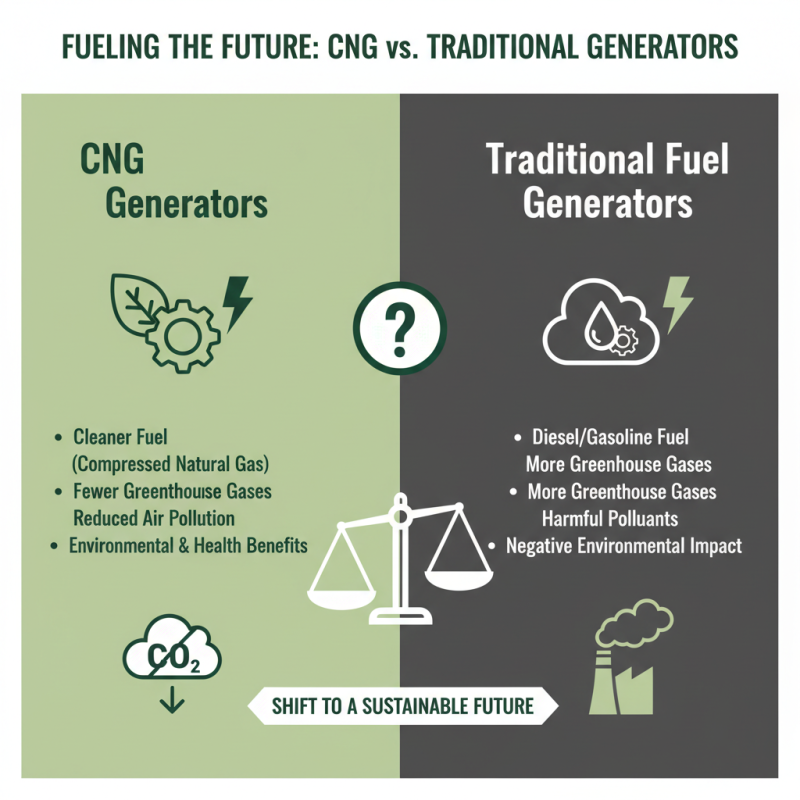
When comparing CNG generators to traditional fuel generators, various factors come into play. CNG, or compressed natural gas, offers a cleaner alternative. Traditional generators often rely on diesel or gasoline, which emit more harmful pollutants. In contrast, CNG generators typically produce fewer greenhouse gases. This can significantly benefit both the environment and public health.
Moreover, CNG is often more cost-effective than traditional fuels. While initial investments in CNG generators can be higher, the overall fuel costs are usually lower. Maintenance costs can also be reduced. Traditional generators may require more frequent servicing. However, infrastructure for CNG fueling can be limited in some areas. This could lead to accessibility issues for some users.
Yet, despite the advantages, transitioning to CNG generators comes with challenges. The availability of fueling stations varies widely. In rural areas, finding CNG may be difficult. Furthermore, it’s essential to consider the efficiency of the generator itself. Some may not perform well under heavy loads. Reflecting on these details can help users make informed decisions about their energy needs.
Applications and Industries Utilizing CNG Generators for Energy Needs
CNG generators are gaining traction across various industries due to their efficiency and lower emissions. The industrial sector, for instance, employs these generators for power backup and peak shaving. Reports indicate that the energy produced from CNG is approximately 20-30% more efficient than traditional diesel generators. This efficiency translates into cost savings for manufacturers and reduces environmental impact.
In transportation, CNG is utilized to fuel vehicles and power infrastructure. Municipalities increasingly convert bus fleets to CNG, capitalizing on lower fuel costs and reduced greenhouse gas emissions. A study from the U.S. Department of Energy shows that CNG vehicles emit 20-30% less CO2 than their gasoline counterparts. This shift reflects a broader commitment to sustainability across public transportation systems.
Healthcare facilities are also integrating CNG generators to secure reliable energy for essential operations. Hospitals demand uninterrupted power, especially for sensitive equipment. Reports highlight that CNG generators can significantly enhance energy reliability and operational efficiency in such settings. However, the transition to CNG systems may pose challenges, such as infrastructure requirements. Upgrading existing facilities to accommodate these systems can be complex and costly, urging careful consideration and planning.
Why Choose a CNG Generator for Your Energy Needs? - Applications and Industries Utilizing CNG Generators for Energy Needs
| Application |
Industry |
Benefits |
Typical Usage |
| Backup Power |
Healthcare |
Reliable energy during outages |
Hospitals and clinics |
| Primary Power |
Manufacturing |
Cost-effective energy |
Production facilities |
| Combined Heat and Power (CHP) |
Hospitality |
Efficiency and reduced emissions |
Hotels and restaurants |
| Electricity Generation |
Agriculture |
Sustainable and clean power |
Farms and greenhouses |
| Remote Power Supply |
Telecommunications |
Operation in off-grid locations |
Cell towers and data centers |

 Sinotruk Parts
 Shacman Parts
 FAW Parts
 Dongfeng Parts
 Foton Parts
 CHENGLONG PARTS
 Golden Dragon Bus Parts
 King Long Parts
 Yutong Parts
 Higer Parts
 Zhongtong Parts
 Ankai Parts



 Mr. Perry Wu International Sales Director