Top Benefits of Using CNG Generators for Businesses Today?
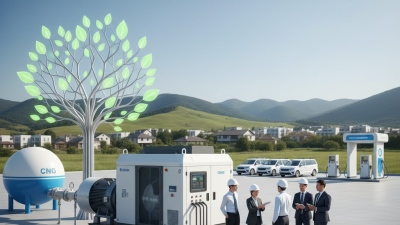
In today's competitive business landscape, energy efficiency plays a crucial role. One option that stands out is the CNG generator. Utilizing compressed natural gas, these generators offer a cleaner and more economical energy source. Businesses are increasingly recognizing their benefits.
CNG generators produce fewer emissions compared to traditional diesel generators. This not only helps the environment but also reduces compliance costs. Companies seeking to lower their carbon footprint find CNG generators appealing. However, challenges exist, such as infrastructure availability and initial investment.
Switching to a CNG generator can lead to significant savings in fuel costs. These generators often require less maintenance, which may reduce downtime. While some businesses worry about the reliability of CNG supplies, advancements are addressing these concerns. Ultimately, the choice to adopt CNG generators involves careful consideration of various factors but can yield substantial long-term benefits.
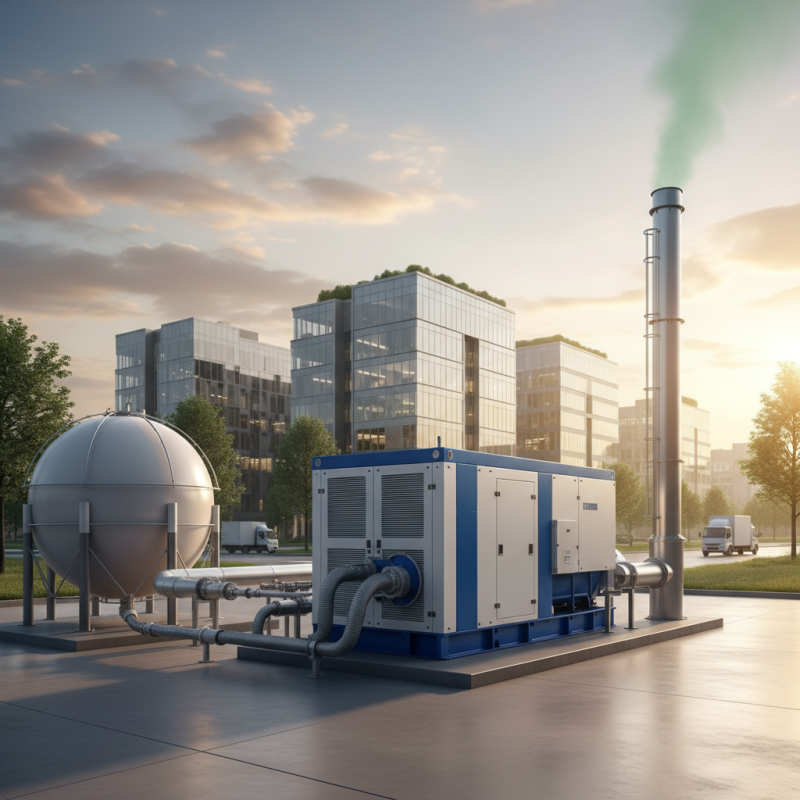
Top Benefits of Using CNG Generators for Businesses Today
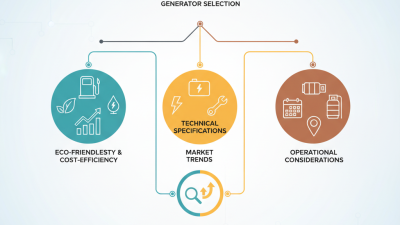
CNG generators are becoming increasingly popular among businesses for various reasons. Their efficiency is a significant advantage. Compressed Natural Gas (CNG) is often less expensive than traditional fuels. This translates into lower operational costs for companies. Plus, CNG generators emit fewer harmful pollutants compared to diesel or gasoline, leading to a more sustainable business model.
Reliability matters in business operations. CNG generators are known for their consistent performance. They require less maintenance, meaning less downtime. A reduction in maintenance costs can enhance profitability. However, some companies may face challenges in availability. Access to **CNG fueling stations** can be limited in certain regions.
Using CNG also offers scalability. As a company grows, its energy needs evolve. CNG generators can be easily adapted to meet changing requirements. The transition to CNG can produce an impressive return on investment. Yet, there is a learning curve associated with CNG technology. Training staff and adjusting operational practices might be necessary. This investment in knowledge can pay off in the long run.
Overview of CNG Generators and Their Operational Mechanisms
CNG generators utilize compressed natural gas as fuel. These units convert gas into electrical energy. They are gaining popularity for various reasons.
The operational mechanism involves a compression and combustion process. Air and natural gas mix in the engine's chamber. This mixture ignites, producing energy. The simplicity of this design enhances reliability and reduces maintenance needs. However, users must ensure proper installation and regular checks.
CNG is cleaner than diesel or gasoline. It produces fewer emissions, making it an eco-friendly option. Businesses can benefit from reduced operational costs and compliance with environmental regulations. Despite these advantages, some businesses struggle with initial setup costs. Proper training for staff can mitigate some challenges. Inadequate knowledge may lead to inefficiencies, so ongoing education is crucial.
Cost-Efficiency: Comparing CNG to Diesel and Gasoline Generators
Cost efficiency is a significant factor when comparing CNG generators to traditional diesel and gasoline generators. CNG, or compressed natural gas, often costs less than diesel and gasoline. This pricing advantage can lead to substantial savings over time. Businesses frequently face fluctuating fuel prices. By choosing CNG, companies can stabilize their operational costs.
Moreover, CNG generators can be more efficient. They typically have a higher thermal efficiency than their diesel and gasoline counterparts. This means businesses can generate more power while consuming less fuel. It’s crucial to note that the initial investment for CNG systems may be higher. However, the long-term savings on fuel can offset these upfront costs.
Additionally, maintenance costs for CNG generators are generally lower. They produce fewer carbon deposits and require less frequent oil changes. However, some companies may find it challenging to locate CNG refueling stations. This can lead to operational inefficiencies. Businesses should carefully assess local infrastructure before making the switch. Overall, the cost-effectiveness of CNG generators reflects a growing trend towards sustainable energy solutions.
Environmental Impact: Reduced Emissions and Compliance with Regulations
CNG generators offer significant benefits in reducing emissions. They produce fewer greenhouse gases compared to diesel or gasoline alternatives. This is crucial for businesses aiming to comply with increasing regulations on emissions. Many governments encourage cleaner technologies, making CNG a favorable choice.
Switching to CNG generators helps businesses enhance their sustainability profile. Reduced emissions contribute to cleaner air and a healthier environment. This eco-friendly approach often resonates with customers. They appreciate companies that prioritize environmental responsibility.
Tip: Regular maintenance of CNG engines ensures optimal performance. Small leaks can negate benefits, so check systems regularly.
While there are clear advantages, companies might face challenges in the transition. Infrastructure for CNG refueling may not be available in some regions. Businesses should evaluate local resources before making a shift.
Tip: Engage with local CNG providers early in the process. Their insights can guide effective integration into your operations.
Balancing the benefits and challenges is essential. With careful planning, businesses can leverage CNG generators for a cleaner, compliant future.
Reliability and Energy Security: CNG as a Stable Power Source
CNG generators offer businesses a reliable and secure energy source. Compressed Natural Gas is known for its stability in supply. According to the U.S. Department of Energy, CNG has become more accessible due to advancements in extraction and distribution technology. This makes it a viable option for many industries looking to mitigate risks associated with traditional energy sources.
Energy security is a growing concern for businesses. Using CNG generators helps reduce dependency on a single energy source. A report by the International Energy Agency highlighted that natural gas emissions are significantly lower than petroleum and coal. This shift can enhance corporate sustainability efforts and improve overall environmental impact.
Tips: Consider the local availability of CNG and infrastructure before investing. Analyze your average energy consumption and align it with CNG capabilities. While CNG is stable, investing in backup systems is wise to prepare for potential supply chain disruptions. Relying solely on CNG might not fully eliminate risks; continuous monitoring and adjustments are essential for optimal results.
Top Benefits of Using CNG Generators for Businesses Today
Conclusion
CNG generators are gaining traction among businesses today due to their numerous advantages. These generators operate on compressed natural gas and offer a cost-efficient alternative to traditional diesel and gasoline generators, significantly reducing operational costs. Businesses can enjoy lower fuel prices and maintenance expenses, making CNG generators a financially viable option.
In addition to their economic benefits, CNG generators have a lesser environmental impact, contributing to reduced emissions and helping companies comply with stringent environmental regulations. Their reliability and energy security further enhance their appeal as a stable power source. As various industries increasingly adopt CNG generators, statistics demonstrate a growing trend towards utilizing this cleaner energy solution, illustrating its potential to transform business operations while promoting sustainability.

 Sinotruk Parts
 Shacman Parts
 FAW Parts
 Dongfeng Parts
 Foton Parts
 CHENGLONG PARTS
 Golden Dragon Bus Parts
 King Long Parts
 Yutong Parts
 Higer Parts
 Zhongtong Parts
 Ankai Parts



 Mr. Perry Wu International Sales Director