How to Choose the Best Small Diesel Engine for Your Needs?
Choosing the right small diesel engine can be a daunting task. Industry expert John Carter, a mechanical engineer with over 15 years of experience, emphasizes, "Selecting a small diesel engine requires careful consideration of your specific needs." His expertise highlights the importance of understanding various factors before making a decision.
When contemplating a small diesel engine, think about the intended application. Will it be for agriculture, construction, or another use? Each application has unique requirements. Pay attention to engine size, fuel efficiency, and maintenance needs. A well-chosen engine can enhance productivity and reduce costs.
Keep in mind that not all engines are created equal. Some may excel in performance, while others focus on durability. Research different brands and models. Reviews from actual users can provide insights. However, remember that what works for one person might not work for another. Reflect on your specific needs as you navigate this complex landscape.
Understanding the Basics of Small Diesel Engines
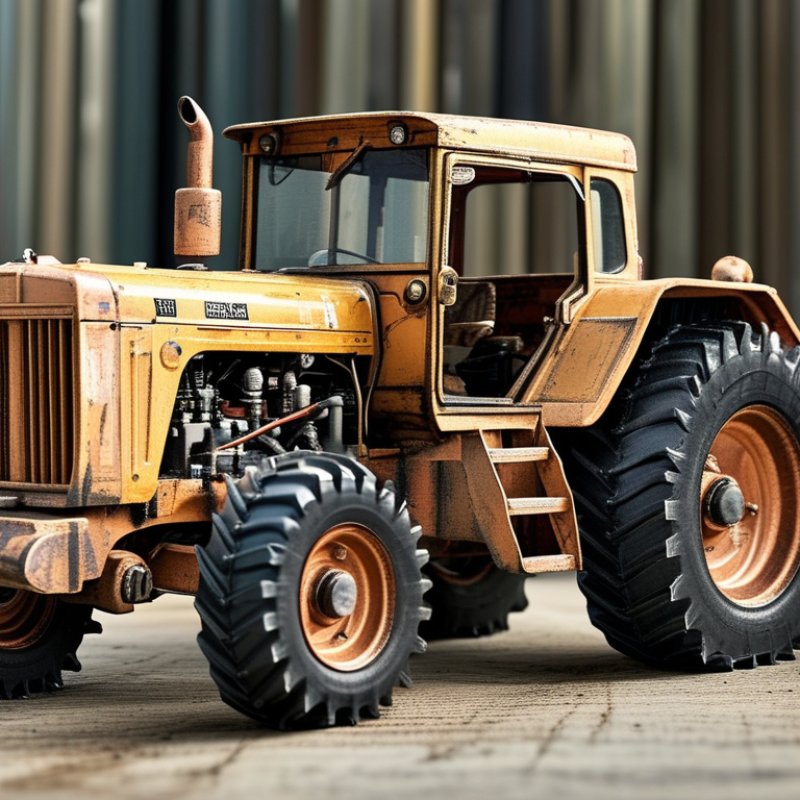
Understanding small diesel engines is essential for making the right choice. These engines are known for their durability and fuel efficiency. They are a popular choice in various applications, from agriculture to construction. Knowing the basic components, such as the fuel system and ignition, can help you assess their performance.
When considering a small diesel engine, think about your specific requirements. What type of machinery will you power? The weight and size of the engine matter. For portable equipment, a compact engine is ideal. Pay attention to maintenance needs as well. Some engines require more frequent servicing, which can impact overall costs.
Think about understanding torque and horsepower. These measurements determine how effectively an engine performs. A higher torque is beneficial for heavy loads. Assess your usage frequency too. If you run the engine regularly, go for a model known for reliability. It’s wise to consult experts or user reviews for insights on performance. Learning from others can guide you toward a better decision.
Evaluating Power Requirements for Your Applications
Choosing the right small diesel engine is crucial for optimal performance. Evaluating power requirements is the first step in this process. Understand the specific needs of your application. Consider factors like load capacity and operational terrain. Each application will demand different power levels.
Assessing your power needs can be tricky. Start by determining how much torque and horsepower you require. A common misconception is to overlook peak power usage. Sometimes, short bursts of power might be necessary. Recognize that engines often work harder during startup or under heavy loads.
When selecting an engine, keep in mind efficiency ratings and long-term reliability. A more efficient engine can save on fuel costs, which adds up over time. Balancing between power and fuel economy is not always easy. It might take some trial and error. Monitor engine performance closely after installation. This review can guide future choices and ensure your needs are met effectively.
Power Requirements for Small Diesel Engines
This chart illustrates the power requirements for small diesel engines across various applications. Understanding these requirements can help you choose the best engine for your specific needs.
Comparing Engine Brands and Models for Reliability
When choosing a small diesel engine, reliability should be your top priority. Various brands offer different models, each catering to specific needs. Some engines excel in fuel efficiency, while others focus on power output. Understanding these aspects is crucial for making an informed decision. It’s important to consider user reviews, as they can reveal real-world performance and longevity.
Researching engine specifications can feel daunting. Look for engines that have a proven track record. Reliability often correlates with the manufacturer’s reputation. Pay attention to warranty and support options, too. These factors can significantly affect your experience, particularly after a purchase. Not all engines perform as advertised, and some may fall short in real-life situations.
When evaluating a brand, consider their history in the industry. Have they been consistent over the years? Do they have positive feedback from users? Sometimes, newer brands can offer innovative features but might not have the reliability of established names. It’s wise to weigh these options carefully. A thorough comparison will lead to a better long-term investment in your engine choice.
How to Choose the Best Small Diesel Engine for Your Needs? - Comparing Engine Brands and Models for Reliability
| Engine Model |
Power Output (HP) |
Torque (Nm) |
Fuel Consumption (L/h) |
Weight (kg) |
Reliability Rating |
| Model A |
30 |
75 |
2.5 |
150 |
4.5 |
| Model B |
40 |
90 |
3.0 |
170 |
4.7 |
| Model C |
50 |
110 |
3.5 |
200 |
4.8 |
| Model D |
60 |
130 |
4.0 |
220 |
5.0 |
| Model E |
70 |
150 |
4.5 |
250 |
5.2 |
Assessing Fuel Efficiency and Maintenance Costs
When selecting a small diesel engine, fuel efficiency is a critical factor. According to industry reports, small diesel engines typically achieve fuel efficiency levels between 25% to 35% better than their gasoline counterparts. This means that for every gallon of fuel, a diesel engine can produce significantly more power. Such efficiency not only reduces operational costs over time but also lowers carbon emissions, aligning with growing environmental concerns.
Maintenance costs also play a vital role in your decision-making. Diesel engines often have higher initial costs, but they can be more durable. Many available diesel engines are designed for longevity, with service intervals that may reach upwards of 10,000 miles. However, the complexity of some systems can lead to higher repair expenses. A recent survey by the Diesel Technology Forum revealed that 60% of engine owners experienced lower yearly maintenance costs compared to gasoline engines. It's crucial to weigh these factors when assessing your options. Choosing the right engine depends on balancing fuel efficiency against maintenance demands.
Identifying Key Features for Your Specific Needs
Choosing a small diesel engine involves understanding your specific needs. One critical feature is the engine's output power. For instance, if you're looking for a generator, a model producing between 5 to 15 kW might suffice for basic household needs. The right output ensures efficiency without excess energy waste.
Another essential factor is fuel efficiency. According to recent industry reports, modern small diesel engines can achieve around 30% higher fuel efficiency compared to older models. This translates to lower operating costs and more extended service intervals. However, achieving optimal fuel efficiency requires careful maintenance and the right usage practices.
Additionally, consider the size and weight of the engine. A compact engine might be ideal for portable applications, while larger engines could serve more stationary needs. It's crucial to reflect on your space constraints and intended use. Balancing these features will help you identify the best small diesel engine for your requirements.

 Sinotruk Parts
 Shacman Parts
 FAW Parts
 Dongfeng Parts
 Foton Parts
 CHENGLONG PARTS
 Golden Dragon Bus Parts
 King Long Parts
 Yutong Parts
 Higer Parts
 Zhongtong Parts
 Ankai Parts



 Mr. Perry Wu International Sales Director