Best Small Diesel Engine Options for Efficient Performance?
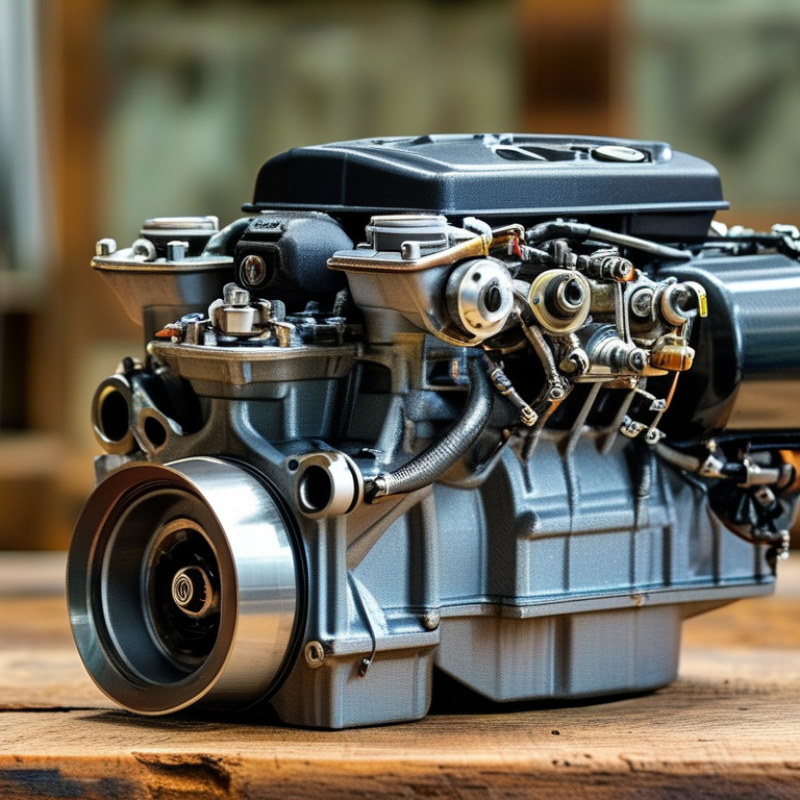
The pursuit of efficiency has driven advancements in small diesel engine technology. These engines offer compact size and robust performance, making them ideal for various applications. From compact machinery to vehicles, small diesel engines deliver impressive fuel efficiency.
Reliability is a hallmark of these engines. They are built for endurance, withstanding the rigors of industrial and agricultural use. Their durability is often tested in harsh conditions, proving their worth over time. However, not all small diesel engines are created equal.
Some options may lack the latest features or emissions standards. Users must carefully evaluate their choices. Balancing power, efficiency, and environmental impact can be challenging. As technology evolves, so too does the landscape of small diesel engines. It’s essential to stay informed and make educated decisions.
Overview of Small Diesel Engine Types and Applications
Small diesel engines come in various types and applications. They are popular for their fuel efficiency and reliability. Common types include inline engines, V-type engines, and rotary engines. Each type has its strengths, making them suitable for different tasks.
Inline engines are compact and easy to maintain. They often power small vehicles and machinery. V-type engines offer more power but require more space. They are ideal for larger applications like trucks. Rotary engines provide a unique design. They are less common but offer benefits in specific situations, such as compact vehicles.
When choosing a small diesel engine, consider the specific application. The engine must meet performance needs while being efficient. Factors such as size, power output, and fuel consumption are crucial. Some engines may need more maintenance than others, which could affect long-term reliability. Always assess your requirements to find the best fit.
Factors Influencing Efficient Performance in Diesel Engines
When considering efficient performance in small diesel engines, several critical factors come into play. Engine design greatly influences how effectively the engine converts fuel into power. Compression ratios need optimization for better thermal efficiency. A higher compression ratio generally enhances performance but can lead to increased engine stress.
Fuel quality is another vital aspect. Using high-quality diesel can improve combustion efficiency. However, in some regions, access to premium fuel is limited, which can compromise performance. Environmental conditions also affect engine output. Cold weather can hinder startup and operation, while high altitudes may impact air density, reducing efficiency.
Regular maintenance should not be overlooked. Routine checks on fuel injectors, air filters, and oil levels ensure the engine runs smoothly. Ignoring these can lead to significant performance issues over time. Users often assume that diesel engines require less frequent maintenance, but this is a misconception that can lead to underperformance. Each engine behaves differently, revealing the necessity for tailored maintenance practices. Exploring these factors helps in understanding the complexities of optimizing small diesel engine performance.
Best Small Diesel Engine Options for Efficient Performance
Top Small Diesel Engines for Fuel Efficiency in Various Industries
When it comes to small diesel engines, fuel efficiency is a top priority across various industries. These engines power a variety of applications, from agricultural machinery to compact construction equipment. They are designed for long-lasting performance and lower emissions. Efficiency is vital, as rising fuel costs impact operations.
In agriculture, small diesel engines enable tractors and harvesters to work efficiently. Many farmers report that these engines provide the torque needed for heavy lifting while consuming less fuel.
In construction, compact machines powered by such engines often work longer hours without frequent refueling. However, the market does face challenges. Some engines, while efficient, may require costly maintenance. It’s essential to consider long-term reliability.
Different industries may have specific needs. For example, generating power in remote areas requires engines that can perform reliably. Smaller engines may struggle with high loads, leading to potential downtimes. A careful evaluation of efficiency ratings is necessary. Ultimately, understanding individual operational requirements is key in selecting the best diesel engine.
Comparison of Performance Metrics in Popular Small Diesel Engines
When evaluating small diesel engines, various performance metrics play a crucial role in selecting the best option. Key factors include fuel efficiency, torque, and maintenance requirements. Some engines excel in fuel economy but may lack in power output. Conversely, others deliver impressive torque but can be less efficient. It's essential to strike a balance.
Engine size also impacts various metrics. Smaller engines often provide adequate power for light-duty tasks but may struggle under heavy loads. Reliability is another critical factor. Regular maintenance is needed to ensure performance longevity. Some engines require more frequent servicing, which can affect overall cost-effectiveness.
Furthermore, emissions standards are becoming stricter. Meeting these regulations can influence engine design. Some models may offer lower emissions but at the cost of performance. Consumers must consider their priorities: efficiency or power, cost or reliability. Evaluating these aspects helps in making informed decisions. Each engine has its strengths and weaknesses. Identifying what matters most is key to finding a suitable option.
Future Trends in Small Diesel Engine Technology and Efficiency
The landscape of small diesel engine technology is evolving rapidly. Engine manufacturers are focusing on improving fuel efficiency and reducing emissions. Innovative techniques, like turbocharging and advanced fuel injection systems, are gaining traction. These methods enhance performance while minimizing environmental impact.
Another trend is the integration of digital solutions. Modern engines leverage data analytics for better performance management. Smart sensors monitor various parameters in real-time, allowing for timely adjustments. However, the reliance on technology can also lead to challenges. Maintenance of these sophisticated systems may require specialized skills.
Regulations are tightening globally, pushing for cleaner alternatives. This may inspire engineers to explore hybrid systems. Combining diesel with electric power can offer more flexibility. Yet, the transition presents hurdles. Infrastructure upgrades and consumer acceptance are ongoing concerns. These dynamics shape the future of small diesel engines, highlighting the need for continuous innovation.

 Sinotruk Parts
 Shacman Parts
 FAW Parts
 Dongfeng Parts
 Foton Parts
 CHENGLONG PARTS
 Golden Dragon Bus Parts
 King Long Parts
 Yutong Parts
 Higer Parts
 Zhongtong Parts
 Ankai Parts







 Mr. Perry Wu International Sales Director