Best Gasoline Generator for Large Scale Projects in 2026?
When planning large scale projects, having a reliable power source is crucial. A Gasoline Generator can meet these demands efficiently. Choosing the right generator involves understanding various factors like power output, fuel efficiency, and portability.
Gasoline Generators are favored for their versatility and ease of use. They provide immediate power, making them ideal for construction sites or outdoor events. However, not all gasoline generators are built the same. Variations in quality, performance, and specifications can make the decision overwhelming.
Marketers often focus on features, but practical experience holds significant value. Users must consider real-world performance rather than just theoretical specs. Reviews from seasoned professionals can offer insights into longevity and reliability. Ultimately, selecting the best gasoline generator for large scale projects in 2026 demands careful evaluation and informed choices.
Top Features to Look for in a Gasoline Generator for Large Projects
When selecting a gasoline generator for large-scale projects, several key features are vital. Look for high wattage capacity. Generators with at least 5,000 watts can handle most heavy-duty tools. It ensures that all equipment runs smoothly without interruptions.
Fuel efficiency is another critical aspect. Some generators consume more fuel than others. An efficient model can run longer on less gas, saving costs on large projects. Noise levels matter too. A quieter generator is preferable, especially in residential areas. It's essential to balance power output and noise reduction.
Tips: Always check the runtime on a full tank. A generator with a longer runtime minimizes downtime. Additionally, consider portability. A lightweight generator is easier to move, especially on large sites.
Don't overlook safety features. A good generator should have overload protection to prevent damage. Review user manuals for maintenance tips; understanding care is usually overlooked. It’s a learning curve, and initial setups might need adjustments.
Comparative Analysis of Leading Gasoline Generators for 2026
As large-scale projects continue to grow, the demand for reliable gasoline generators intensifies. A comparative analysis of leading models for 2026 shows a diverse landscape. Key factors include power output, fuel efficiency, and durability. Some generators perform impressively in power yield but may fall short in energy conservation. Users value the balance between these features, influencing their choice based on specific project requirements.
Reliability remains a critical concern. Many generators promise steadfast performance, yet certain units have had issues with overheating during extensive usage. This underlines the importance of proper maintenance and routine checks. Users must account for fuel consumption during operation. A model with a higher tank capacity could minimize disruptions but may weigh more, complicating mobility on job sites.
No product is perfect. Some generators may excel in certain conditions but struggle in others. Understanding the limitations of each model is vital. Users should reflect on their unique needs before making a choice. An informed decision often hinges on real-world testing and reviews from experienced professionals in the field.
Best Gasoline Generator for Large Scale Projects in 2026
| Model |
Power Output (Watts) |
Fuel Tank Capacity (Gallons) |
Runtime (Hours) |
Weight (lbs) |
Price ($) |
| Model A |
7500 |
6.5 |
8 |
120 |
800 |
| Model B |
9500 |
7.5 |
9 |
150 |
950 |
| Model C |
10000 |
8.0 |
10 |
175 |
1200 |
| Model D |
6000 |
5.5 |
7 |
100 |
600 |
| Model E |
8000 |
6.0 |
8.5 |
130 |
850 |
Cost-Benefit Analysis: Investing in a High-Capacity Generator
Investing in a high-capacity gasoline generator can significantly impact project efficiency. According to industry reports, large-scale operations may require upwards of 10,000 watts to meet power demands. This often translates into higher initial costs, but careful analysis shows potential savings in downtime and fuel efficiency. A generator with a robust fuel economy can lower operating costs by up to 30% over time.
Looking at long-term benefits, large-capacity generators often have longer service lives. Many can function effectively for over 5,000 hours with regular maintenance. However, maintenance costs can add up. Operators need experience in managing these powerful machines to ensure optimal performance. Monitoring energy consumption is also crucial to prevent wastage.
The purchase decision must weigh upfront costs against projected utility savings. For larger projects, upfront investment might seem daunting. Yet, if a generator reduces operational interruptions, the return on investment can be significant. Not all projects will see immediate profit gains, which warrants careful consideration of use cases. Such insights are critical for those aiming to balance cost with long-lasting power solutions.
Cost-Benefit Analysis of Gasoline Generators for Large Scale Projects in 2026
Safety and Maintenance Considerations for Large Scale Generators
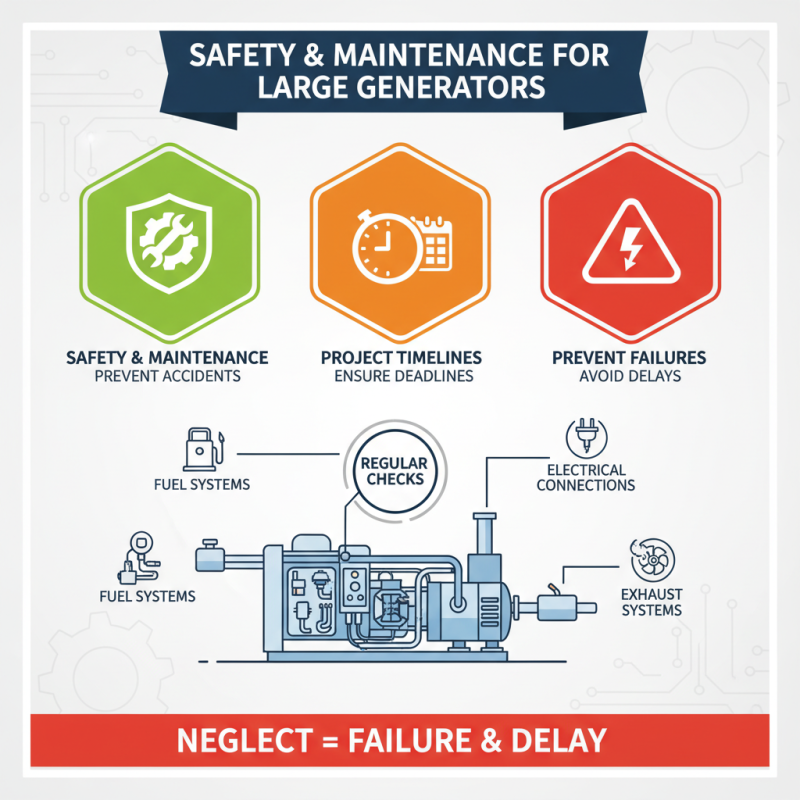
When working on large scale projects, safety and maintenance are crucial for gasoline generators. A well-maintained generator can prevent accidents and ensure project timelines are met. Regular checks should include fuel systems, electrical connections, and exhaust systems. Neglecting these areas can cause failures, leaving projects delayed.
Tips for maintenance include checking the oil level and replacing it regularly. Use a fuel stabilizer to keep the gasoline fresh. Clean air filters to ensure optimal performance. These simple actions can extend the generator's life and enhance safety.
Understand the noise levels too. Generators can be loud, potentially disturbing nearby communities. Consider using sound barriers or selecting quieter models. This attention to detail shows professionalism and respect for surroundings. Failure to address noise can lead to complaints and hinder operations.
User Reviews and Recommendations for Best Generators in 2026
In 2026, the demand for gasoline generators continues to rise, especially for large scale projects. According to industry reports,
the generator market is projected to grow at a CAGR of 6.3% from 2021 to 2026. Users have highlighted
significant factors when choosing a generator: fuel efficiency,
power output, and
noise levels. These features are vital for maximizing productivity on job sites.
A recent survey revealed that 70% of users prefer generators with a power
output above 5000 watts. This preference stems from the need to power multiple
tools simultaneously. Additionally, 65% of users report that noise levels
are crucial. Generators operating below 60 dB are considered ideal for maintaining a conducive working environment.
Feedback from contractors indicates that reliability is paramount.
Many users express concerns about the durability of generators. Without proper maintenance, performance can decline.
Regular checks can mitigate this issue but require time and effort. Users are looking for devices that balance
ease of maintenance with robust performance. Addressing these aspects
can enhance the user experience and project outcomes.

 Sinotruk Parts
 Shacman Parts
 FAW Parts
 Dongfeng Parts
 Foton Parts
 CHENGLONG PARTS
 Golden Dragon Bus Parts
 King Long Parts
 Yutong Parts
 Higer Parts
 Zhongtong Parts
 Ankai Parts




 Mr. Perry Wu International Sales Director