Top 10 Benefits of Using a Transfer Switch for Your Power Needs?
In today’s energy landscape, a reliable power supply is crucial for both homes and businesses. The use of a Transfer Switch plays a vital role in ensuring seamless power management. According to the National Fire Protection Association (NFPA), improper switching between power sources can lead to dangerous situations. A Transfer Switch mitigates these risks by safely transitioning between grid power and a generator.
Research by the Electric Power Research Institute (EPRI) highlights that outages can cost businesses thousands of dollars per hour. Utilizing a Transfer Switch can drastically reduce downtime. It allows for a quick and efficient response to power interruptions. This device enhances safety by preventing backfeeding, which can endanger utility workers.
Moreover, studies indicate that 40% of power outages result from weather disturbances. As extreme weather events increase, the demand for reliable power solutions rises. However, investment in a Transfer Switch requires careful consideration. Not every installation may suit every setting. Understanding the specific needs of your property is essential for optimal performance. This introduces an opportunity for improvement and informed decision-making in power management strategies.
Key Advantages of Transfer Switches for Home Power Management
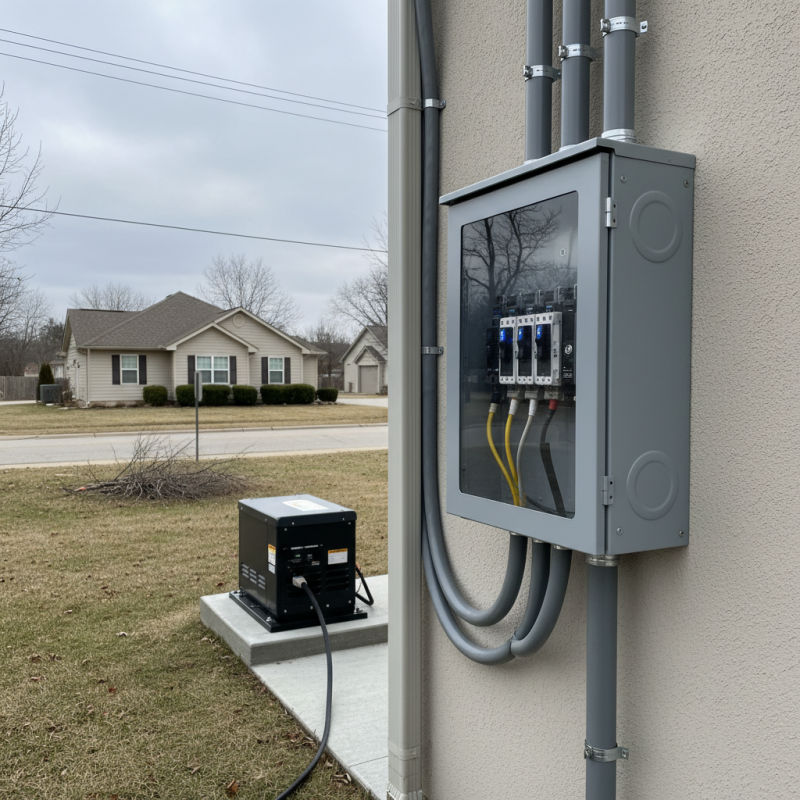
Using a transfer switch for home power management offers several key advantages. One significant benefit is safety. A transfer switch prevents backfeeding into the grid. This protects utility workers during power outages. It also ensures that your electrical system remains stable.
Another crucial aspect is reliability. A transfer switch allows for a seamless power transition. When the main power fails, your generator can take over without interruption. This is vital for keeping essential appliances running. For example, refrigerators and medical devices can continuously operate, thus minimizing spoilage and health risks.
Convenience is also important. With a transfer switch, users can easily switch between power sources. This eliminates the need for extension cords and manual connections. However, the initial installation of a transfer switch requires professional assistance. It's essential to ensure that it meets local regulations. This process can be tedious, yet it is necessary for long-term safety and compliance.
Enhanced Safety Features: Protecting You and Your Equipment
Using a transfer switch significantly enhances safety for your power needs. These devices provide a secure method to switch between utility power and backup generators. This transition helps prevent back-feeding electricity into the grid, which can endanger utility workers and cause equipment damage. The transfer switch ensures that the power source is safely isolated.
In addition to protecting people, a transfer switch safeguards sensitive electronic equipment. Surges or fluctuations in power can be damaging. A transfer switch allows for a stable supply during outages, reducing the risk of damage. However, improper installation can lead to issues. It’s essential to have a qualified professional handle the setup to avoid potential hazards. Regular maintenance and testing are also important. Without these practices, you might face unexpected failures when you need power the most.
Investing in a transfer switch is not just about convenience; it's essential for safety. Many homes remain vulnerable without this system in place. Some may overlook the importance of these devices, thinking they are unnecessary. The reality is that they can save lives and protect valuable equipment. Contemplating these benefits may shift your approach to energy management.
Top 10 Benefits of Using a Transfer Switch for Your Power Needs
The chart above illustrates the top 10 benefits of using a transfer switch for power needs, highlighting essential features like enhanced safety, reliability, and cost-effectiveness. Each benefit is scored to represent its significance in practical applications.
Improved Reliability During Power Outages and Emergencies
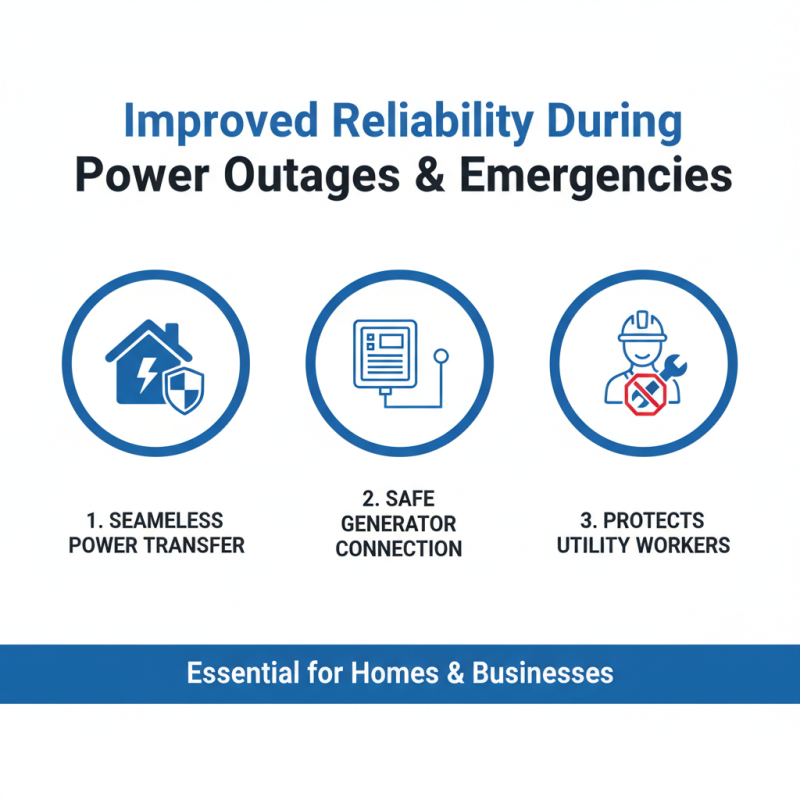
Power outages can happen unexpectedly, leaving homes and businesses vulnerable. A transfer switch ensures a smoother experience during these critical moments. It safely connects a generator to your electrical system, allowing power to flow without messy extensions or unsafe practices. This setup prevents backfeed, protecting utility workers during outages.
The reliability of having a transfer switch becomes even more evident during natural disasters, severe storms, or any emergency. Households can maintain essential functions like refrigeration and heating. Additionally, in hospitals and critical facilities, it becomes a matter of life and death. However, proper installation and maintenance are crucial. Poorly done work could lead to failures when you need them most.
Yet, relying solely on a transfer switch is not without its pitfalls. Regular testing and evaluation are necessary to ensure it operates correctly. Users may sometimes overlook its importance, which can lead to frustration or worse outcomes during emergencies. Taking the time to understand its benefits and limitations can significantly enhance preparedness.
Seamless Transition Between Utility and Backup Power Sources
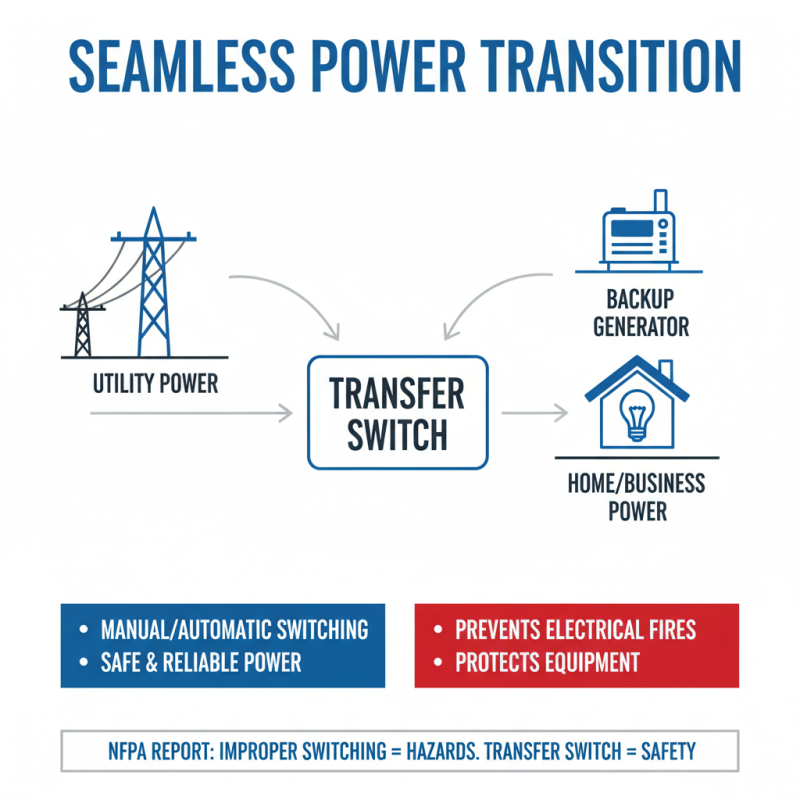
A transfer switch plays a crucial role in managing power supply seamlessly. It allows users to switch between utility power and backup generators with ease. According to a report from the National Fire Protection Association (NFPA), improper power switching can lead to significant hazards, including electrical fires and generator damage. Employing a transfer switch mitigates these risks, ensuring a safe and reliable power transfer.
Data from the U.S. Energy Information Administration shows that power outages cost American businesses over $150 billion annually. A transfer switch can greatly reduce downtime during outages, allowing operations to resume quickly. It creates a reliable infrastructure for energy management, not just for businesses, but for households as well. Many homeowners find peace of mind knowing that, during an outage, their essential appliances continue functioning without interruption.
However, the installation of a transfer switch requires professional knowledge. Mishandling can lead to safety issues. It's essential to regularly maintain the switch to ensure its reliability. Overlooking this aspect could result in unexpected failures during critical times. Thus, while the benefits of a transfer switch are clear, it demands a commitment to proper use and maintenance to be truly effective.
Cost-Effectiveness: Long-Term Savings and Efficiency Benefits
Using a transfer switch can lead to significant cost-effectiveness in managing your power needs. It acts as a bridge between your home and backup power sources, altering your energy usage dynamically. This can reduce your monthly energy bills. By allowing the seamless switch from utility to generator, a transfer switch ensures you never face blackouts, saving you both frustration and money.
Long-term savings come from efficiency gains. A reliable transfer switch can prevent generator wear and extend its lifespan. This means fewer repair costs and less frequent replacements. However, without proper maintenance, your switch may need repairs, which can offset savings. Regular inspections can prevent this pitfall and enhance its efficiency.
Moreover, energy efficiency translates to a lower carbon footprint. This not only saves money but also supports sustainable living. Some may overlook the installation costs initially. Yet, investing in a quality transfer switch pays off over time. It’s essential to assess both short-term expenses and long-term benefits carefully. A hasty decision may cost more down the line. Keeping these factors in mind will lead to better energy management decisions.

 Sinotruk Parts
 Shacman Parts
 FAW Parts
 Dongfeng Parts
 Foton Parts
 CHENGLONG PARTS
 Golden Dragon Bus Parts
 King Long Parts
 Yutong Parts
 Higer Parts
 Zhongtong Parts
 Ankai Parts





 Mr. Perry Wu International Sales Director