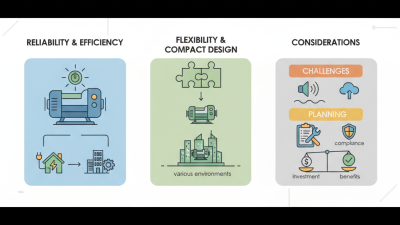
Leave Your Message

Why Automatic Power Solutions Matter for Global Buyers

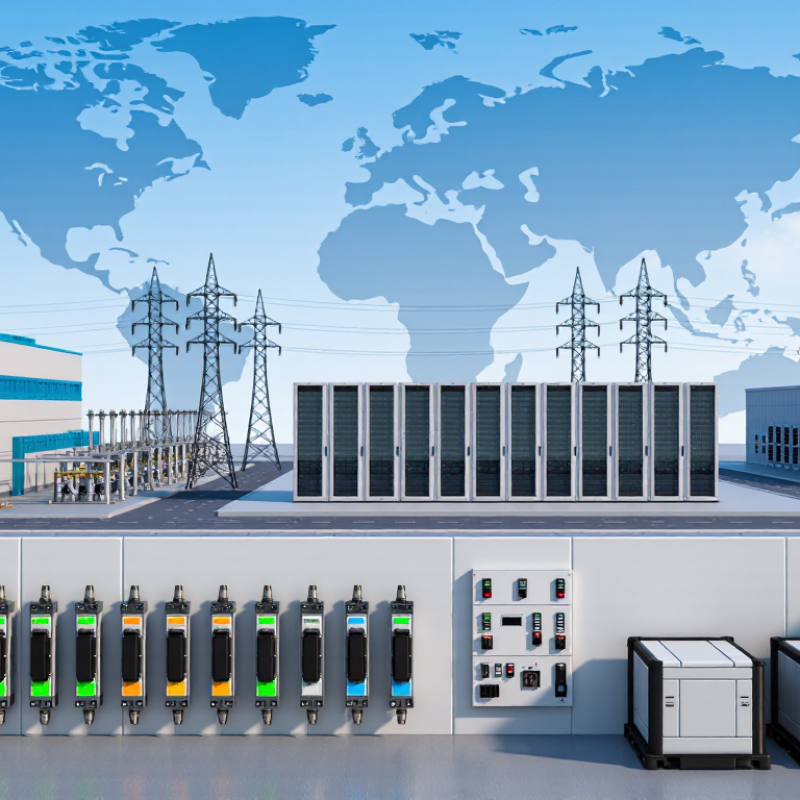
For global buyers, reliable power is no longer a background concern. It shapes production schedules, cold-chain integrity, data availability, and the safety of everyday operations. Automatic Power solutions—such as automatic transfer switches, standby generation, and remote monitoring—can help facilities respond when utility supply fails. The details matter: a switch must detect a fault, transfer the load, and restore normal service without disrupting sensitive equipment. Small delays can be costly.

The International Energy Agency’s Electricity 2024 report projects global electricity demand will grow by an average of 3.4% annually through 2026. That growth makes resilience planning more important, especially where grids face peak demand or severe weather. IEA Executive Director Fatih Birol described the shift plainly: “The Age of Electricity is here.” His statement captures the wider trend, though it does not tell buyers which equipment fits a particular site. They still need to assess load profiles, local service capacity, fuel availability, maintenance support, and commissioning standards.

A sound purchasing decision starts with those practical checks. Compare response times, control-system compatibility, service coverage, and lifecycle costs—not just the initial price. Ask for test records and clear maintenance intervals. Then challenge the assumptions. No system removes every risk, and backup equipment can fail when neglected. That uncomfortable point deserves attention. For global buyers, Automatic Power is valuable not as a promise of uninterrupted operation, but as a carefully specified layer of resilience.
Why Automatic Power Solutions Matter for Global Buyers

What Automatic Power Solutions Are and How They Function

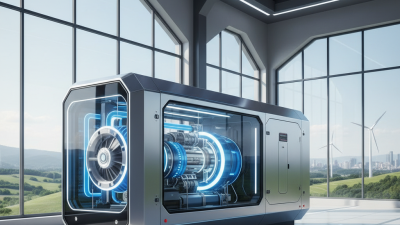
Automatic power solutions combine equipment, sensors, and control software to keep electricity available during interruptions. A typical system includes an automatic transfer switch, backup generator, uninterruptible power supply, and monitoring panel. The equipment watches the incoming electrical line continuously. If voltage drops or fails, the switch detects the change and transfers the load to another source. Many systems complete this process within seconds.

In practical installations, a sensor sends a signal to the controller when utility power becomes unstable. The generator then starts, reaches operating speed, and supplies power through the transfer switch. A UPS can protect sensitive devices during this short transition. Operators can review alarms, load levels, battery condition, and fuel status from a local screen. These details matter in warehouses, hospitals, data rooms, and manufacturing sites.

Global buyers should examine voltage, frequency, climate, installation space, and local electrical requirements before purchasing. A system designed for a dry indoor room may perform poorly in coastal humidity or dusty conditions. Correct sizing also requires more than adding equipment ratings. Motors can create high starting currents, while future expansion may increase demand. Automatic systems are not magic. Poor settings or neglected batteries can still cause failure. Even experienced teams sometimes overlook maintenance access. Factory testing, clear manuals, spare parts, and trained technicians improve reliability. Requirements differ by country, so qualified electrical professionals should verify compliance before installation.

Why Global Buyers Need Reliable and Uninterrupted Power

Why Automatic Power Solutions Matter for Global Buyers

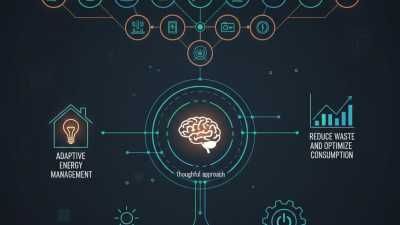
Global buyers often source equipment across regions, but electrical conditions vary widely. Voltage, frequency, weather, and grid quality can change between sites. Reliable, uninterrupted power protects production schedules, cold storage, data systems, and worker safety. Automatic power solutions detect an outage within seconds and transfer essential loads to a backup source. Interruptions spread quickly. A dark control panel may stop an entire line.

In practical projects, the transfer switch is only one part of the solution. Buyers should examine generator capacity, battery health, fuel quality, overload protection, and remote alerts. The system must match local electrical codes and the site’s actual load profile. A polished specification can still fail during a morning surge. Load-bank testing, inspection records, and scheduled maintenance provide stronger evidence than promises. These details help procurement teams compare suppliers with less guesswork.

Global support also matters. Clear manuals, trained service personnel, spare parts planning, and responsive technical communication reduce recovery time. I have seen teams focus heavily on purchase price, then discover that a small sensor delay caused repeated shutdowns. Cost matters, but availability matters more in critical operations. No system is perfect. Batteries age, weather changes, and maintenance can be missed. Buyers should challenge assumptions, test failure scenarios, and leave capacity for future expansion. A dependable design is measured under stress, not only during a factory demonstration.

Key Benefits for Efficiency, Safety, and Operational Continuity

Automatic power solutions matter because efficiency is now a procurement requirement, not a technical luxury. The International Energy Agency reported that data centers consumed about 240–340 TWh of electricity worldwide in 2022. Demand could more than double by 2026. Automatic transfer switches, UPS systems, and intelligent monitoring can reduce downtime while directing power where it is needed. In a warehouse, this may keep scanners, refrigeration controls, and safety lighting active during a brief voltage drop. Small interruptions can create large operational costs.

Safety improves when systems detect abnormal voltage, overloads, or phase loss without waiting for manual intervention. The National Fire Protection Association emphasizes documented maintenance, inspection, and testing for emergency power systems. Buyers should request test records, battery replacement schedules, protection settings, and compatibility details. Installation quality matters as much as equipment ratings. A correctly specified system can still fail after poor commissioning.

Operational continuity is measurable. The Uptime Institute’s 2024 Global Data Center Survey found that 54% of respondents reported their latest outage cost less than $100,000, while 15% reported costs above $1 million. These figures should make procurement teams examine recovery plans, not only purchase prices. Automatic power systems support stable production, remote monitoring, and faster recovery across sites with different grid conditions. Yet no solution is perfect. Batteries age, sensors drift, and generators need fuel and testing. Buyers should allow for these weaknesses, because ignoring maintenance can quietly defeat the original investment.

How Automatic Power Solutions Adapt to Different Market Needs

Global buyers rarely need identical power equipment. A clinic in Nairobi, a cold-storage site in Poland, and a workshop in coastal Brazil face different electrical conditions. Automatic power solutions respond by adjusting voltage, frequency, load priority, and backup behavior. This flexibility helps equipment remain stable when grids fluctuate or demand changes. It also reduces manual intervention during busy operating hours. That matters.

In practice, adaptation starts with a site assessment. Engineers review incoming power, peak loads, motor starting currents, ambient temperature, humidity, and available fuel or battery access. Local codes and inspection requirements shape the design as well. A compact installation may suit an urban facility, while a remote project needs stronger enclosures, simpler controls, and longer service intervals. Clear manuals and local-language support can prevent small errors from becoming costly downtime. Not every site needs maximum capacity.

Buyers should compare response time, transfer performance, monitoring options, maintenance access, and spare-parts availability. They should also ask how the system behaves under partial loads, repeated outages, and unstable utility power. I have seen technically impressive designs fail when operators could not understand the alerts. A practical interface is often more valuable than another advanced feature. Oversizing is another common mistake; it increases cost and may reduce efficiency. The better approach is careful matching, followed by testing under realistic conditions. Results can still vary.

Why Automatic Power Solutions Matter for Global Buyers — How Automatic Power Solutions Adapt to Different Market Needs
Market Environment Common Nominal Supply Characteristics Typical Power Challenge Automatic Solution Configuration Key Buyer Requirements
North America Common low-voltage systems include 120/240 V single-phase and 120/208 V three-phase; 60 Hz is widely used. Storm-related outages, severe weather exposure, and the need to maintain power for residential, commercial, healthcare, and industrial loads. Automatic transfer switching Standby generator control Remote monitoring Fast source detection, neutral-pole compatibility where required, code-compliant installation, and reliable generator start sequencing.
Europe 230 V single-phase and approximately 400 V three-phase systems are common; 50 Hz is widely used. Mixed building types, distributed renewable generation, and strict requirements for electrical safety and equipment conformity. ATS for 230/400 V systems Power-quality monitoring Battery backup Compatibility with applicable IEC-based requirements, compact installation, low standby consumption, and clear event logging.
Japan 100 V low-voltage supply is common; commercial and industrial systems also use higher voltages. Frequency varies by region: 50 Hz in eastern areas and 60 Hz in western areas. Regional frequency differences, space limitations, earthquakes, typhoons, and continuity requirements for critical facilities. Frequency-compatible switching Compact control panels Seismic-conscious installation Correct regional frequency selection, compact dimensions, vibration resistance, dependable automatic restart, and maintenance access.
Southeast Asia Many markets commonly use approximately 230 V single-phase and 400 V three-phase systems at 50 Hz, although local practices vary. High humidity, heavy rainfall, lightning, rapid load growth, and interruptions in developing or remote electrical networks. ATS with generator integration Surge protection Remote alarms High ingress protection where needed, corrosion resistance, wide operating temperature range, simple commissioning, and local serviceability.
Middle East 230/400 V, 50 Hz systems are widely used, with local variations by country and facility type. High ambient temperatures, dust, long cable runs, intensive cooling loads, and the need for continuous operation in commercial and infrastructure facilities. Temperature-rated controls Generator and utility switching Load-shedding logic Thermal derating data, dust protection, robust enclosures, clear overload coordination, and dependable operation under high ambient temperatures.
Sub-Saharan Africa Many countries commonly use approximately 230/400 V at 50 Hz, but supply quality and local voltage practices differ. Grid instability, voltage fluctuations, planned outages, limited maintenance resources, and weak or remote distribution networks. ATS with voltage sensing Voltage regulation Hybrid battery-generator backup Wide input tolerance, straightforward manual override, fuel-efficient operating logic, durable components, and accessible diagnostics.
Latin America Voltage and frequency vary by country; both 50 Hz and 60 Hz systems are used, with common low-voltage arrangements including 120/208 V and 127/220 V. Regional grid interruptions, voltage variation, severe weather, and different electrical practices across neighboring markets. Multi-voltage sensing Automatic source selection Surge and brownout protection Configurable voltage and frequency settings, adaptable wiring options, strong surge immunity, and documentation suited to local approvals.
Data Centers and Critical Facilities Supply voltage and frequency depend on location; systems commonly combine utility power, generators, UPS units, and distribution equipment. Even short interruptions can affect uptime, data integrity, safety systems, and service-level commitments. Dual-source ATS UPS bypass management Redundant monitoring High availability, selective coordination, tested transfer sequences, bypass capability, maintenance without unnecessary downtime, and detailed alarms.

Note: Voltage, frequency, grounding methods, installation rules, and permitted equipment configurations can vary within each market. Final selection should be verified against the local utility requirements, applicable electrical codes, and the site load profile.

Factors Global Buyers Should Assess Before Choosing a System

Why Automatic Power Solutions Matter for Global Buyers

Factors Global Buyers Should Assess Before Choosing a System

Power reliability is not judged by a brochure. It is tested during a night shift, a voltage drop, or a delayed shipment. Global buyers should assess the system’s real operating record, not only its rated output. Ask for test reports, maintenance logs, and performance data from comparable climates. A system designed for a cool warehouse may struggle in tropical heat or dusty ports.

Compatibility deserves careful attention. Check input voltage, frequency, load type, transfer time, battery behavior, and communication protocols. Local technicians should understand installation and repairs. Spare parts must be available through a dependable supply route. A low purchase price can become expensive when one missing component stops production for days. That risk is easy to underestimate.

Safety and compliance also require evidence. Review certifications, protection features, emergency procedures, and documented quality controls. Independent inspections can reveal weaknesses before delivery. Talk with users operating similar equipment, especially outside the supplier’s home market. Their experience may expose small but costly problems. Simple questions often uncover more than polished presentations. Still, no assessment is perfect. Climate assumptions may be wrong, and usage can change after installation. Build room for monitoring, staff training, and future capacity. A reliable solution is not merely automatic; it remains understandable, serviceable, and accountable across borders.