2026 How to Use an Automatic Generator for Your Power Needs?
In today’s world, having a reliable power source is crucial. An Automatic Generator can be a perfect solution to meet your energy needs. Whether it’s for a home, business, or outdoor activities, this device ensures you never experience unexpected power outages.
Using an Automatic Generator offers convenience and peace of mind. It kicks in automatically when the power goes out, providing a seamless transition. However, it’s essential to understand its proper usage. Not every generator is the same. Choosing the right one for your specific situation can be a challenge. You may find some models overwhelming or unsuitable.
Consider the fuel source and maintenance requirements. An Automatic Generator requires regular checks and servicing to operate efficiently. Ignoring these aspects can lead to failures during crucial moments. It’s worth reflecting on what power means to you. The right generator can transform your experience, but improper use can lead to frustrations.
Understanding Automatic Generators and Their Power Capabilities
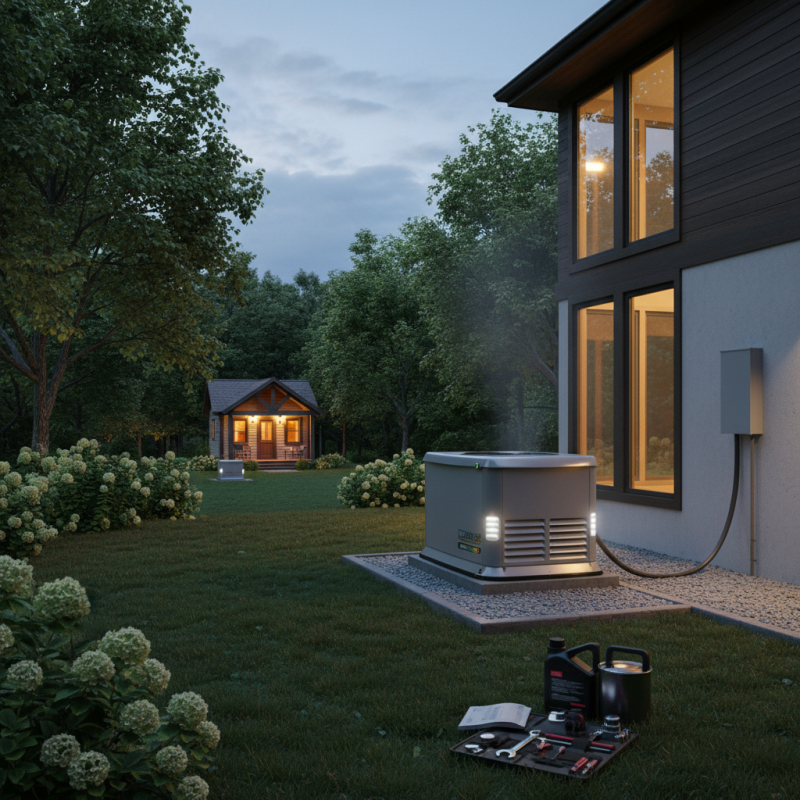
Automatic generators are essential for various power needs. They provide electricity when the grid fails. Understanding their capabilities can help you choose the right one for your home or business.
These generators typically run on gasoline, diesel, or natural gas. They can power essential devices like refrigerators, lights, and heating systems. The size and power output depend on your specific needs. It's vital to assess your power requirements before purchasing.
Tips:
- Calculate the total wattage of devices you want to power.
- Consider the run time of the generator. A longer run time can be more practical.
- Regular maintenance is necessary for optimal performance.
Choosing the right generator can be challenging. Each option has its pros and cons. For instance, smaller units are easy to store but may not support heavy loads. Meanwhile, larger generators are powerful but occupy more space. Reflect on your priorities and power needs before deciding.
Selecting the Right Size Generator for Your Power Needs
When selecting an automatic generator, size matters significantly. According to the U.S. Department of Energy, most homes need between 5,000 to 7,500 watts for essential appliances. However, the exact requirement can vary based on usage and type of appliances. A misleading number may lead to inadequate power supply during outages.
A common pitfall is underestimating power needs. It’s tempting to choose a smaller model to save money, but this can backfire. If your generator can't handle the load, it may strain and fail. Assessing the wattage of devices you rely on is crucial. For example, a refrigerator typically requires about 600 watts. Adding a few devices can push your needs beyond simpler estimates.
**Tips:** Always calculate your total power requirements before making a purchase. Use online calculators for accurate estimations. Think about future needs too. It’s wise to select a generator that not only meets current demands but also accommodates potential additions, like electric vehicles or additional appliances. Balancing cost and size is an intricate process that requires careful consideration and planning.
Installation Requirements for Automatic Generators
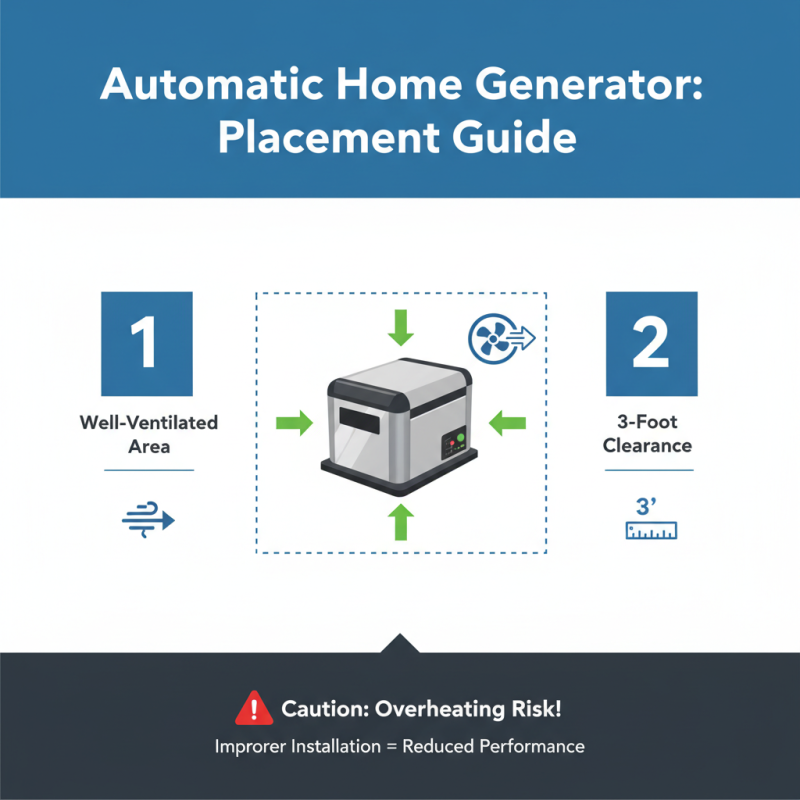
When installing an automatic generator, specific requirements must be met. Proper placement is crucial for optimal performance. Generators should be installed in well-ventilated areas. Experts recommend keeping at least three feet of clearance on all sides. This ensures safety and proper airflow. If not properly installed, generators can face overheating issues.
Moreover, soundproofing is a key consideration. Noise levels can reach up to 70 dB, causing disturbances. To tackle this, sound barriers can be added. Location matters too; generators placed too close to living spaces can create discomfort.
Electrical connections require special attention. It’s important to adhere to local regulations. Many regions mandate permits for installation. Failing to comply can lead to penalties and unsafe situations. According to industry reports, improper installation can lead to energy losses of about 30%. This highlights the need for careful planning and execution. Every detail counts during installation to ensure reliability and efficiency.
Setting Up and Programming Your Automatic Generator
Setting up an automatic generator can seem daunting. Yet, with the right guidance, it becomes much simpler. According to recent industry reports, about 70% of homes now rely on backup power systems. When choosing a generator, consider the power it needs to provide. Calculate your essential loads, like refrigerators, lights, and medical devices. This helps determine the right capacity.
Programming your generator correctly is vital. Many models now come with smart technology that simplifies this process. Some units allow users to set schedules for operation, optimizing fuel consumption.
Studies show that generators can consume 30% more fuel when not programmed correctly. Familiarize yourself with the control panel. Understanding how to adjust settings ensures your system operates efficiently.
Maintenance is crucial but often overlooked. Regular checks can save time and money. Reports indicate that improper care can reduce a generator's lifespan by 40%. Use a checklist to keep track of tasks. Ensure you'll test the system at least once a month. This practice can highlight potential issues early. Consider writing down your observations during tests to spot patterns over time.
Maintaining and Troubleshooting Your Automatic Generator
Maintaining an automatic generator is crucial for ensuring reliable power supply. Regular maintenance tasks include checking oil levels and battery health. This is especially important before peak usage times. Clean the air filter to prevent blockages. A dirty filter can severely affect efficiency.
Troubleshooting should be systematic. If the generator fails to start, check the fuel supply. A simple oversight in fueling can lead to frustration. Listen for unusual noises during operation. They may indicate underlying issues. Visual inspections can reveal leaks or damaged parts. Small problems can escalate if ignored.
Keep a maintenance log. Document service dates, repairs, and inspections. This record helps track patterns and potential issues. It can guide you in future troubleshooting. If problems persist, don’t hesitate to consult with a professional. Your safety and reliable power are worth the investment.

 Sinotruk Parts
 Shacman Parts
 FAW Parts
 Dongfeng Parts
 Foton Parts
 CHENGLONG PARTS
 Golden Dragon Bus Parts
 King Long Parts
 Yutong Parts
 Higer Parts
 Zhongtong Parts
 Ankai Parts


 Mr. Perry Wu International Sales Director