How to Use a Dynamo Generator for Efficient Energy Generation?
In an age where energy efficiency is essential, the Dynamo Generator offers a powerful solution. This device converts mechanical energy into electrical energy. Many people overlook its potential, but the Dynamo Generator can be a game-changer in various applications.
Efficient energy generation can be complicated. Many believe it requires expensive technologies. However, the Dynamo Generator is relatively simple and affordable. Excellent for both beginners and experienced users, it has broad applications in renewable energy systems. It can power small devices, charge batteries, or even support larger systems.
Yet, using a Dynamo Generator is not without challenges. Users may struggle with optimizing efficiency. Understanding the load requirements is crucial. Trial and error often leads to improvements. Reflecting on one's approach can help users maximize the benefits of this versatile generator. Embracing its potential might be the key to sustainable energy solutions.
What is a Dynamo Generator and How Does It Work?
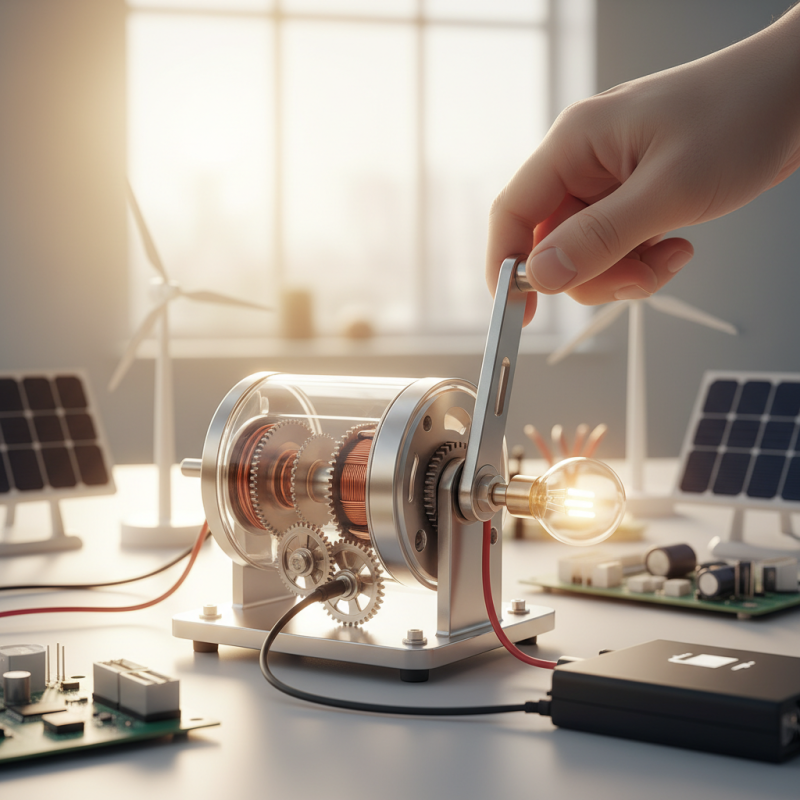
A dynamo generator is a mechanical device that converts kinetic energy into electrical energy. It consists of a rotating coil and a magnetic field. When the coil spins within the magnetic field, it induces an electric current. This principle is based on Faraday's law of electromagnetic induction. The simplicity of its design makes it a popular choice for generating electricity in various applications.
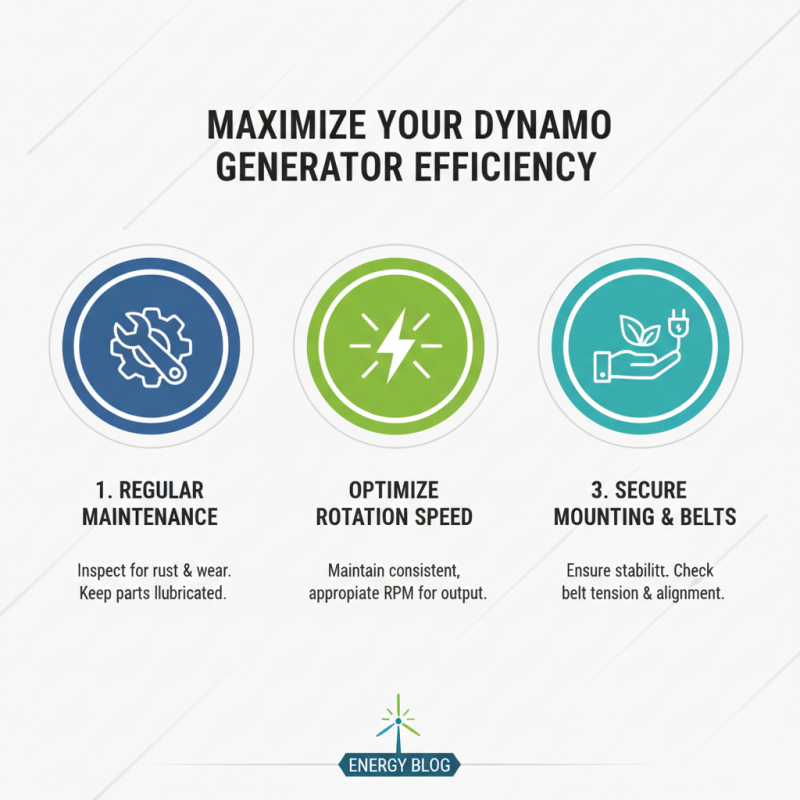
Understanding how a dynamo works requires attention to detail. The speed at which the coil rotates affects the voltage produced. A faster rotation generates a higher voltage. This can be a challenge as maintaining a consistent speed may not always be feasible. Also, friction between components can lead to energy loss, impacting overall efficiency. Regular maintenance is essential to mitigate these issues, yet it is often neglected.
In real-world applications, the dynamo is used in bicycles and small power plants. When connected to a load, the generated electricity can power lights or charge batteries. However, users must be aware of its limitations. For instance, it cannot produce electricity continuously without manual input. This highlights the need for ongoing effort to achieve reliable energy generation. Users often find themselves reflecting on these challenges as they navigate the nuances of working with dynamo generators.
Key Components of a Dynamo Generator for Energy Generation
A dynamo generator is a fascinating device for generating energy. Understanding its key components can enhance efficiency. The stator is crucial. It houses coils of wire. When the rotor spins, it produces electricity. This movement creates a magnetic field, essential for energy generation. The rotor itself is another vital part. It can be a permanent magnet or electromagnet. Its design affects output directly.
When setting up a dynamo generator, pay attention to the alignment of parts. Misalignment can result in lower efficiency. Regularly check connections and components. Loose wires can cause energy loss.
Tip: For optimal performance, maintain a clean workspace. Dirt can affect the generator's functionality. Additionally, consider using bearings to ensure smooth rotor movement. This reduces wear and tear, prolonging the generator's lifespan. Always review and reflect on your setup. Small adjustments can lead to better efficiency.
Step-by-Step Guide to Setting Up a Dynamo Generator
Setting up a dynamo generator can seem daunting. However, with a clear plan, it becomes manageable. Start by gathering essential tools. You will need basic hand tools, electrical wire, and connectors. Finding a suitable location is crucial. Look for an area with good airflow and a relatively stable surface.
Next, install the generator base. It should be level to ensure optimal performance. Attach the dynamo to the base securely. Pay attention to alignment; misalignment can lead to inefficiencies. Once secured, connect the electrical wires. It is vital to ensure there are no loose connections. Check the wiring against safety standards, even if it seems tedious.
After setup, conduct a test run. Monitor the output closely. Is it generating as expected? If not, review your connections. Sometimes, small errors cause big problems. Don't rush; take your time to troubleshoot. Reflect on each step, and you will improve your setup. You might find that a small adjustment makes a significant difference in energy generation.
Energy Generation from a Dynamo Generator
This chart illustrates the estimated energy output of a dynamo generator based on different RPM (Revolutions Per Minute) settings. The efficiency of energy generation significantly increases with higher RPM settings, showcasing the importance of optimizing the operating speed.
Safety Precautions When Using a Dynamo Generator for Energy Generation
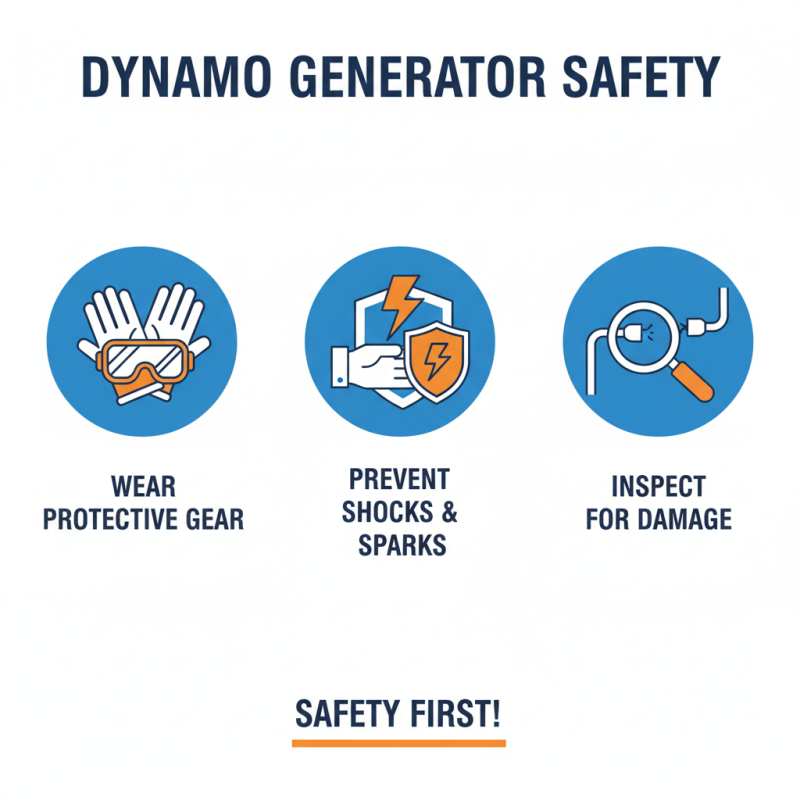
When using a dynamo generator, safety is paramount. Ensure that you wear appropriate protective gear, like gloves and goggles. This will help prevent injuries from accidental sparks or electrical shocks. Always inspect the generator for any visible damage before use. A frayed wire or loose connection can lead to dangerous situations.
Keep your workspace well-ventilated. Avoid using the generator in confined spaces, as exhaust fumes can be harmful. Never operate the generator near flammable materials, such as gasoline or wood piles. It's easy to overlook these details, but they can have dire consequences.
Before connecting electrical devices, make sure the generator is turned off. Being in a hurry often leads to mistakes. Take a moment to review your connections. If something feels off, trust your instincts and double-check. Power outages can be frustrating, but safety should always come first.

 Sinotruk Parts
 Shacman Parts
 FAW Parts
 Dongfeng Parts
 Foton Parts
 CHENGLONG PARTS
 Golden Dragon Bus Parts
 King Long Parts
 Yutong Parts
 Higer Parts
 Zhongtong Parts
 Ankai Parts






 Mr. Perry Wu International Sales Director