Silent Genset Innovations Driving China's Top Energy Solutions?
Silent Genset innovations are reshaping China's energy landscape. These advancements offer solutions to energy demands while prioritizing environmental impact. By reducing noise pollution and emissions, Silent Genset technology stands out for its eco-friendly approach.
The integration of Silent Genset systems is becoming essential. Industries increasingly rely on these systems for uninterrupted power supply. However, challenges remain in achieving optimal efficiency and scalability. Not all manufacturers meet the necessary quality standards, and ensuring compliance with certifications can be complex.
As China advances toward sustainable energy solutions, Silent Genset innovations play a critical role. They enhance operational efficiency while encouraging environmental responsibility. Yet, there is room for improvement in design and implementation. Ongoing research is needed to address these gaps and ensure robust, reliable performance.

Silent Gensets: An Overview of Technology and Functionality
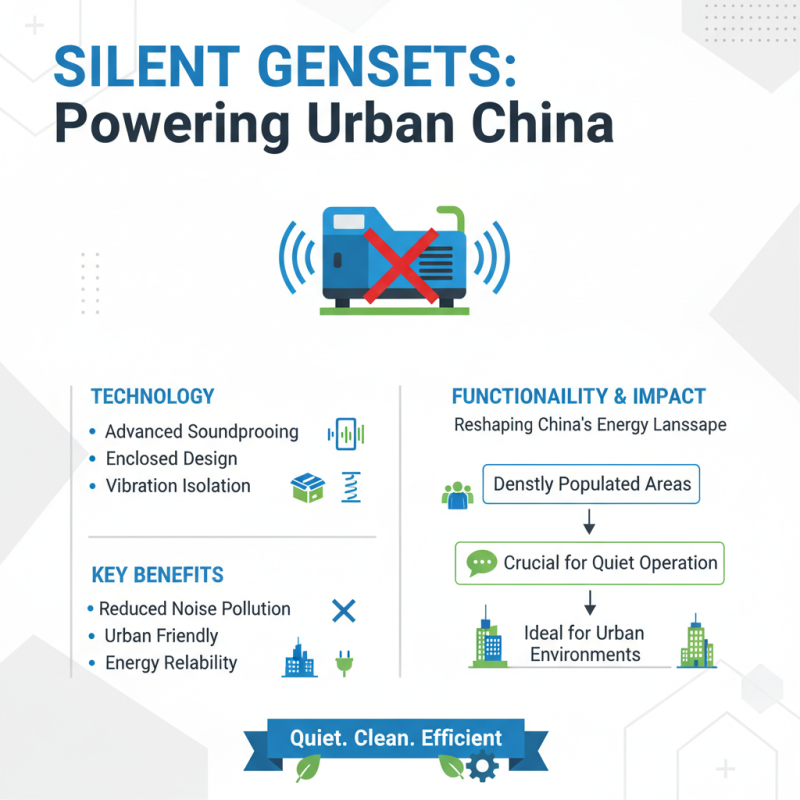
Silent gensets are reshaping the energy landscape in China. These generators operate quietly, making them ideal for urban environments. Their design often incorporates advanced soundproofing technology, which significantly reduces noise levels. This feature is crucial in densely populated areas where noise pollution is a concern.
In terms of functionality, silent gensets maintain high efficiency. They provide reliable backup power during outages and support renewable energy sources. However, one must acknowledge that their installation can be resource-intensive. Some users may overlook these requirements, leading to installation errors. Additionally, while they are quieter, their maintenance still demands attention. Ignoring this may result in performance issues over time.
The technology behind silent gensets combines innovation and practicality. Ongoing improvements aim to enhance fuel efficiency further, reducing operating costs. Yet, it is essential to reflect on their environmental impact. Even with improvements, the production and disposal of gensets remain challenging. This aspect calls for a careful evaluation of sustainability in future innovations.
The Importance of Silent Gensets in China's Energy Industry
Silent gensets are transforming China's energy landscape. These devices are designed to operate quietly, making them ideal for urban environments. Traditional generators often create noise that disrupts communities. In contrast, silent gensets minimize sound pollution, allowing for smoother integration into city life.
Their significance in China’s energy sector is growing. As cities expand, the demand for reliable power escalates. Silent gensets can function discreetly in residential areas while providing essential backup power. This balance between functionality and community consideration is crucial.
However, challenges remain. Some silent gensets may sacrifice power output for noise reduction. Additionally, maintenance and efficiency can vary widely. The need for ongoing innovation is evident. Further improvements could enhance performance without compromising silence. Continuous reflection on these issues is necessary for sustainable growth in this field.
Key Innovations in Silent Genset Design and Performance
Silent gensets are becoming essential for energy solutions in China. Innovative designs focus on improved efficiency and reduced noise. According to recent industry reports, the silent genset market is projected to grow significantly, with a compound annual growth rate (CAGR) of 6.5% by 2027. This growth reflects rising demands for sustainable power sources in urban areas.
One key innovation is enhanced soundproofing technologies. These advancements help in minimizing noise pollution, which is crucial for densely populated regions. Additionally, performance improvements, such as fuel efficiency, have seen notable advancements. Some estimates suggest that modern silent gensets can reduce fuel consumption by up to 15%. This is beneficial, but challenges remain. Many older units still operate inefficiently, creating a lag in overall energy sustainability.
Environmental concerns press for urgent innovation in silent genset technology. While impressive strides have been made, not all models comply with the latest environmental standards. Clear regulations are needed to guide future advancements. Furthermore, user training is often overlooked. Many operators are unaware of best practices, which can diminish the potential of these innovations. Addressing these issues is essential for achieving top-notch energy solutions in China.
Innovation in Silent Genset Performance Over the Years
Environmental Impact and Sustainability of Silent Gensets
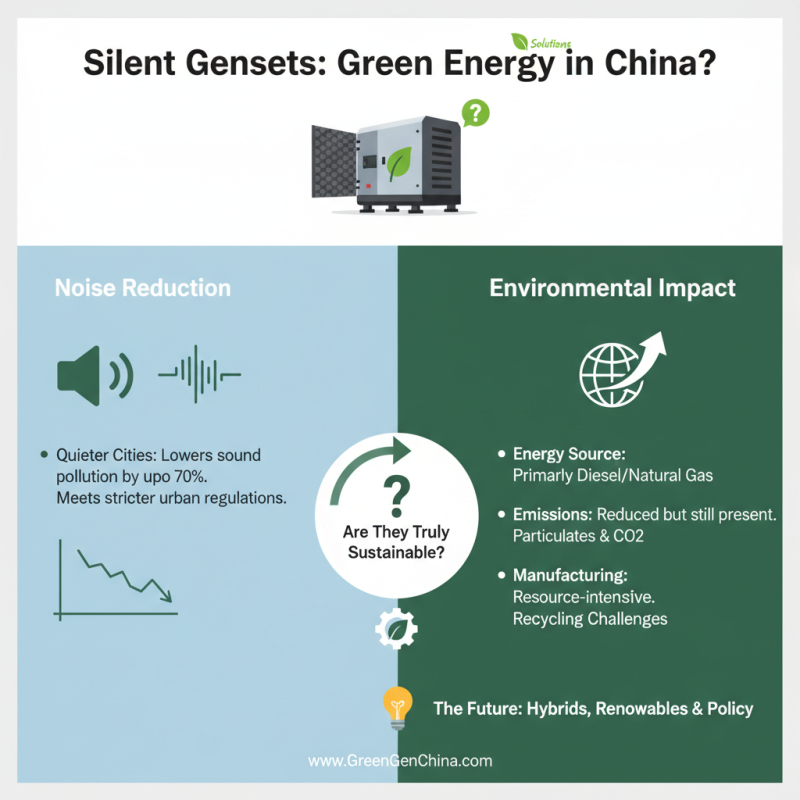
Silent gensets are revolutionizing energy solutions in China. As noise pollution regulations tighten, these innovative generators offer quieter operational alternatives. They reduce sound levels significantly. However, are they truly as green as they seem?
The environmental impact of silent gensets should not be overlooked. While they minimize noise, emissions are a critical factor. Many models may still rely heavily on fossil fuels. This reliance could undermine the benefits of their quieter operation. Operators need to consider the entire lifecycle of these machines. From production to disposal, the carbon footprint can be significant.
Sustainability is a growing concern. Silent gensets often come with advanced technologies. Electric and hybrid options promise cleaner energy. Yet, access to renewable fuel sources remains limited. Continuous improvement is vital. Emphasis on eco-friendly materials and energy sources could enhance their sustainability. There is still much to reflect on regarding true environmental consciousness in silent genset innovations.
Market Trends and Future Prospects for Silent Gensets in China
Silent gensets are rapidly becoming a cornerstone of China's energy solutions. These systems offer reduced noise levels and enhanced efficiency. As urban areas grow, the demand for quieter power sources increases. This innovation supports industries and residential needs alike.
Market trends indicate a shift towards eco-friendly solutions. Many sectors are exploring hybrid models that integrate renewables. However, concerns over initial investments still linger. Businesses often hesitate due to perceived high costs. Yet, the long-term savings can outweigh these worries.
Tip: Consider silent gensets as an investment, not just a cost. Their low noise can improve workplace environments significantly. Future prospects look promising as regulations tighten around noise pollution. Understanding these dynamics is key to making informed decisions.
Silent Genset Innovations Driving China's Top Energy Solutions? - Market Trends and Future Prospects for Silent Gensets in China
| Year |
Market Size (Billion USD) |
Growth Rate (%) |
Key Innovations |
Projected Growth (2025) |
| 2020 |
2.5 |
8.5 |
Noise Reduction Technology |
3.5 |
| 2021 |
2.8 |
12.0 |
Hybrid Power Systems |
4.2 |
| 2022 |
3.1 |
10.7 |
AI-Based Monitoring |
5.0 |
| 2023 |
3.6 |
9.6 |
Remote Control Features |
5.8 |
| 2024 |
4.0 |
11.1 |
Increased Fuel Efficiency |
6.5 |

 Sinotruk Parts
 Shacman Parts
 FAW Parts
 Dongfeng Parts
 Foton Parts
 CHENGLONG PARTS
 Golden Dragon Bus Parts
 King Long Parts
 Yutong Parts
 Higer Parts
 Zhongtong Parts
 Ankai Parts








 Mr. Perry Wu International Sales Director