2026 How to Choose the Right Diesel Generator for Your Needs?
Choosing the right Diesel Generator can be challenging. The demand for reliable power sources has grown, especially in industries like construction, healthcare, and agriculture. According to market research, the global diesel generator market is projected to reach $24 billion by 2026. This significant growth reflects the essential role that diesel generators play in providing backup power.
When selecting a Diesel Generator, consider your specific needs. Factors like power output, runtime, and fuel efficiency matter. A generator that is too small may fail during peak demand. Conversely, an oversized generator can waste fuel and lead to higher operational costs. These aspects often require careful consideration and sometimes a bit of trial and error.
Many brands offer various features and specifications. It can be overwhelming to navigate through them. Additionally, maintenance and reliability are often overlooked yet crucial factors for long-term use. Selecting a Diesel Generator is not just about picking a model; it involves understanding your unique requirements and the environment where you'll use it. Reflecting on these elements can lead to more informed decisions.
Understanding Your Power Requirements
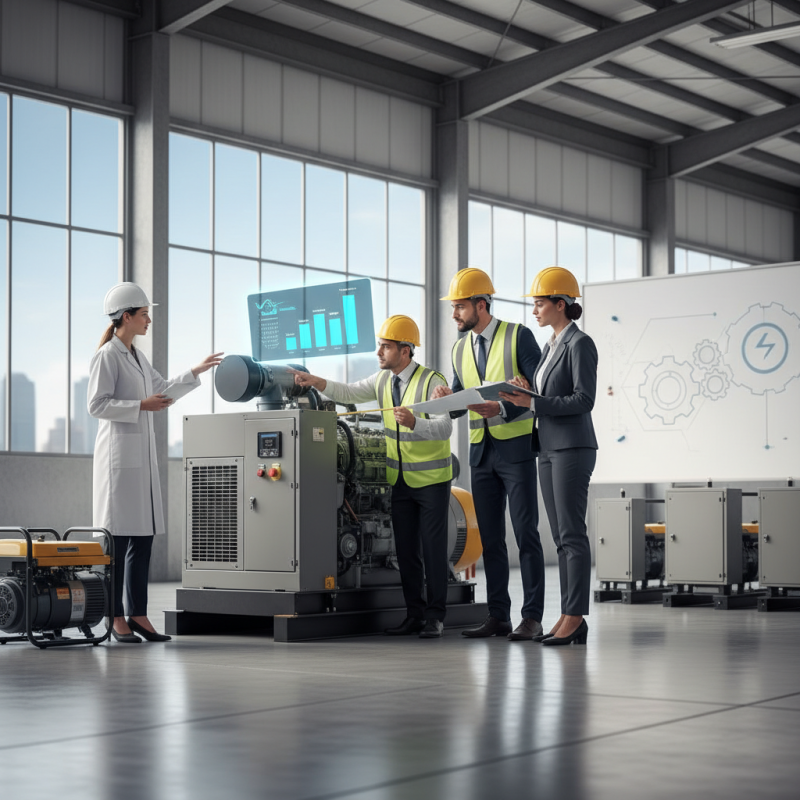
When selecting a diesel generator, understanding your power requirements is crucial. Start by calculating the total wattage of the devices you intend to run. This includes appliances, tools, and lights. Make a list and total their wattage. It’s wise to consider surge wattage, as some equipment needs extra power to start up.
Think about the duration you will need the generator to run. If you plan to use it for just a few hours or days, your needs might differ from long-term use. Furthermore, assess the fuel consumption of the generator. This often varies with load and can impact cost over time. You may find that a more powerful generator is efficient for short bursts, but less so for extended operations.
Consider the environment where the generator will be used. Noise levels and emissions can pose concerns, especially in residential areas. Make sure to check the specifications for noise and compliance. You may realize that the most powerful option isn’t always the best fit for your space. Reflect on the balance between power, efficiency, and convenience.
2026 How to Choose the Right Diesel Generator for Your Needs? - Understanding Your Power Requirements
| Power Output (kW) |
Fuel Consumption (L/h) |
Run Time (hours) |
Noise Level (dB) |
Weight (kg) |
| 10 |
2.5 |
12 |
60 |
50 |
| 20 |
5.0 |
10 |
65 |
75 |
| 50 |
12.0 |
8 |
70 |
150 |
| 100 |
25.0 |
6 |
75 |
300 |
| 200 |
50.0 |
5 |
80 |
500 |
Types of Diesel Generators Available
When considering diesel generators, it's vital to understand the types available. There are portable units, ideal for temporary use. These models are lightweight and easy to transport. They typically power small tools or appliances during outdoor events or job sites. For industrial purposes, you'll find stationary diesel generators. These provide reliable energy for businesses and larger operations.
Tips: Assess your power needs before deciding. Consider how much wattage is necessary for your devices. Ensuring the generator can handle your load is critical.
Additionally, standby generators can kick in during power outages. They are permanently installed and automatically activate when grid power fails. This feature provides peace of mind for homes and essential operations.
Tips: Think about fuel efficiency when choosing a generator. A more efficient model can save you money over time. Pay attention to noise levels, too, especially in residential areas.
Choosing the right type requires careful thought. Each generator type has its pros and cons. Consider your specific requirements and future needs.
Evaluating Fuel Efficiency and Operating Costs
When selecting a diesel generator, evaluating fuel efficiency is crucial. Fuel consumption directly affects your operational costs. A generator with better fuel efficiency can save significant amounts over time. Consider how often you will use the generator. If it's for continuous use, even small fuel savings can add up.
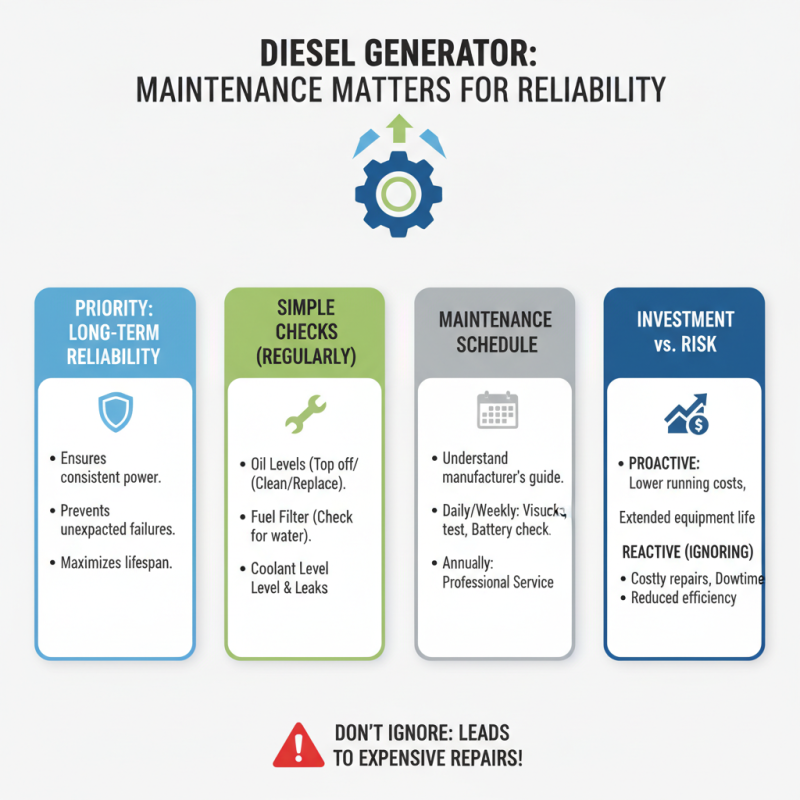
Operating costs are another important aspect. Besides fuel, maintenance plays a vital role. Routine maintenance ensures the generator runs smoothly. Ignoring this can lead to higher costs and frustrating downtime. Reflect on what tasks it will perform. Will it be for short bursts of power or prolonged usage? Your choice impacts long-term expenses.
Finally, consider the generator's load capacity. Overloading can decrease fuel efficiency and increase wear. Find a generator that matches your needs without over-specifying. It can be tempting to go for larger units, but they may not be necessary. Make careful calculations to avoid financial pitfalls. Balancing efficiency and cost effectiveness can be challenging but essential.
Assessing Noise Levels and Environmental Impact
When selecting a diesel generator, noise levels and environmental impact are critical factors. Diesel generators are known for their loud operation. Many models produce noise levels between 70 to 100 dB. This can disrupt neighborhoods, workplaces, and natural habitats. Noise over 70 dB can lead to hearing damage. Some regions have strict regulations on noise emissions. It's essential to consider these factors when choosing a generator.
Environmental impact is another serious consideration. Diesel generators emit nitrogen oxides (NOx) and particulate matter (PM), contributing to air pollution. According to the Environmental Protection Agency (EPA), diesel engines release up to 10% of total NOx emissions. This pollution can harm human health and accelerate climate change. Research shows that transitioning to cleaner technologies can reduce harmful emissions significantly.
Despite the efficiency of diesel generators, their drawbacks are evident. Buyers must weigh power needs against these consequences. A quieter generator may have a higher upfront cost but can improve community relations. Adopting stricter noise-reduction technologies can also make a difference. Environmental concerns should drive more responsible choices in generator selection.

 Sinotruk Parts
 Shacman Parts
 FAW Parts
 Dongfeng Parts
 Foton Parts
 CHENGLONG PARTS
 Golden Dragon Bus Parts
 King Long Parts
 Yutong Parts
 Higer Parts
 Zhongtong Parts
 Ankai Parts




 Mr. Perry Wu International Sales Director