CNG Generator Benefits for Global Buyers and How to Choose?
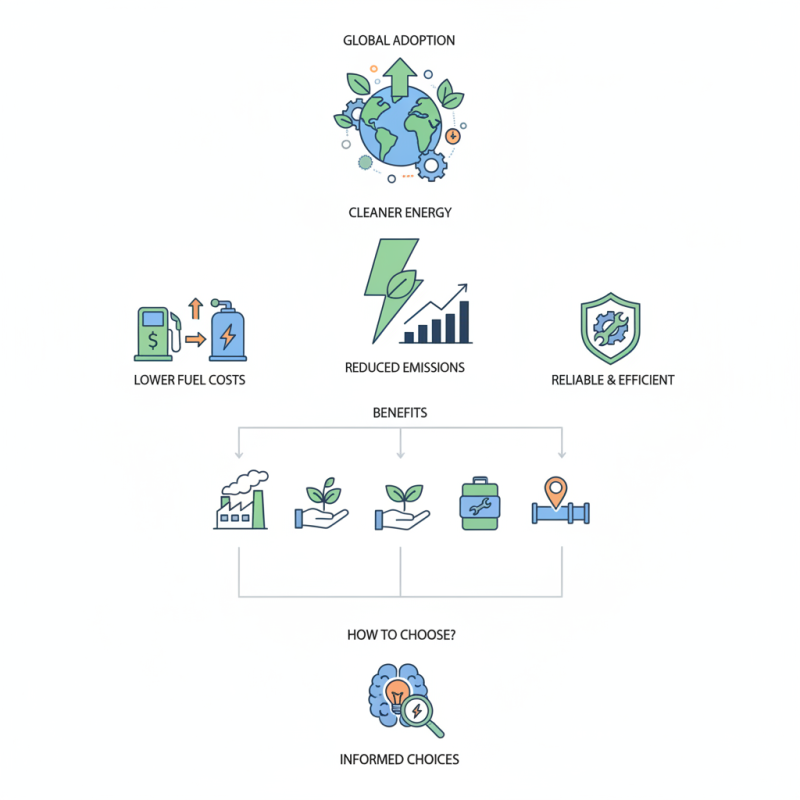
The adoption of CNG generators is growing globally. As industries look for cleaner energy options, CNG generators stand out. Leveraging natural gas can significantly reduce emissions. According to John Smith, a renowned expert in the renewable energy sector, "CNG generators represent a vital shift towards sustainable power."
Businesses today face pressing energy decisions. CNG generators offer a reliable and efficient solution. These units operate with lower fuel costs compared to diesel or gasoline generators. The technology is rapidly evolving, making it easier for buyers to assess their needs. Despite the advantages, some buyers may feel overwhelmed by the options available.
Investing in CNG generators requires careful consideration. Factors like local infrastructure and maintenance availability cannot be overlooked. While benefits are clear, one must also reflect on long-term commitments to natural gas sources. Reliable information is essential for making informed choices in this field.
CNG Generators: An Overview of Their Functionality and Applications
CNG generators, or compressed natural gas generators, serve various applications. They provide an efficient energy solution for industries and backup power needs. According to the U.S. Energy Information Administration (EIA), natural gas is considered the least carbon-intensive fossil fuel. This fact underlines its role in reducing greenhouse gas emissions compared to traditional diesel or gasoline generators.
In terms of functionality, CNG generators convert natural gas into electricity. They are known for their reliability and lower operating costs. A report from the International Energy Agency indicates that using CNG can lead to savings of up to 30% in fuel costs. This financial benefit is appealing to global buyers looking to optimize budget allocations. Moreover, CNG is abundant and can enhance energy security for businesses.
However, there are challenges. CNG generators require constant fuel supply and storage infrastructure. Additionally, there may be regional availability issues. Buyers must consider these logistical factors and assess local regulations. Understanding these complexities can be crucial for making informed decisions. The unregulated nature of the market in some regions raises concerns about sourcing and pricing stability.
Key Benefits of CNG Generators for Global Buyers
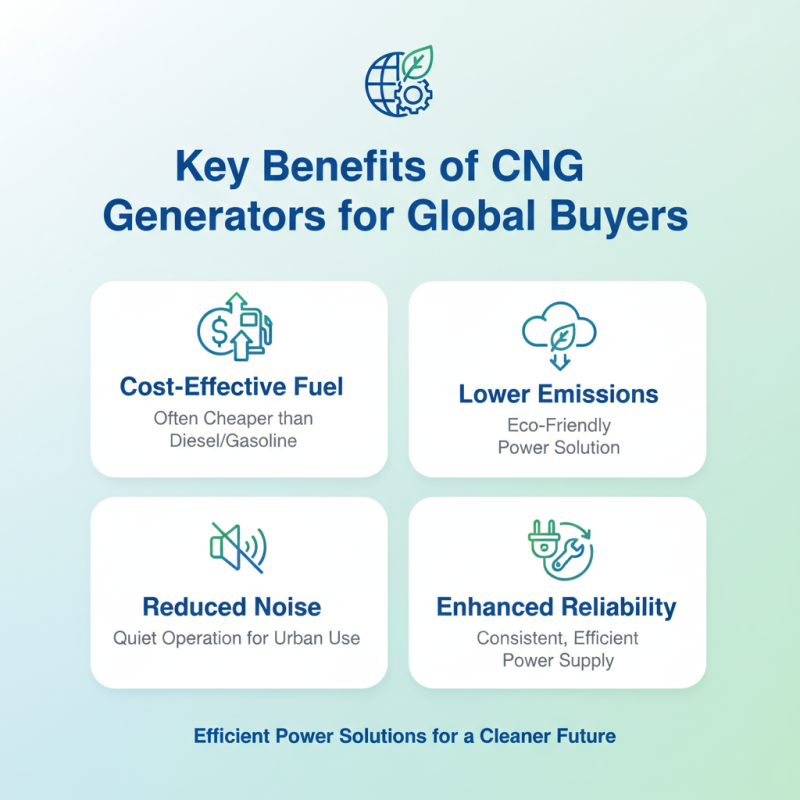
CNG generators offer several advantages that appeal to global buyers seeking efficient power solutions. These generators run on compressed natural gas, which is often more cost-effective than conventional fuels. Lower emissions are another key benefit, making them an environmentally friendly choice. Users can experience reduced noise levels, enhancing operations in residential or urban settings.
However, not all CNG generators are created equal. Buyers should consider the generator's power output and efficiency ratings. Performance during various operating conditions can vary. It's important to assess service availability in your region. Maintenance can be a concern if the local service provider lacks expertise in CNG systems.
In a market filled with options, understanding these nuances is crucial. Proper research helps avoid common pitfalls. Depending on specific needs, one might find it challenging to balance cost with performance. Evaluating user reviews and expert assessments can provide additional insights. Engaging with knowledgeable professionals can guide procurement decisions effectively.
Factors to Consider When Choosing a CNG Generator
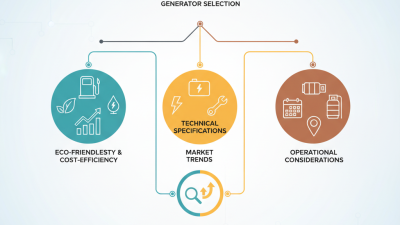
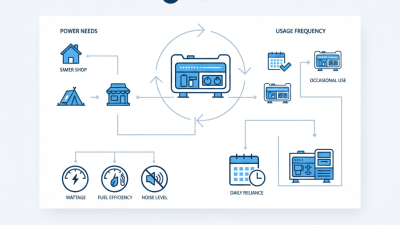
When choosing a CNG generator, several factors play a crucial role. The size and power output are fundamental. For example, a generator that provides between 50 kW to 2 MW can meet different industrial needs. Analyzing your energy requirements will help you select the correct size. Efficiency is another critical factor. According to a report by the International Gas Union, CNG generators can achieve up to 40% efficiency in conversion, which can significantly reduce operational costs.
Fuel availability is vital to consider. In some regions, CNG supply may be inconsistent. The accessibility of refueling stations can impact generator performance and cost-effectiveness. Additionally, maintenance requirements should not be overlooked. CNG generators often demand specialized servicing, which may not be readily available in all locations. It’s essential to factor in these potential challenges when making a decision.
Finally, the technological aspect is worth examining. Modern CNG generators come equipped with advanced monitoring systems. These systems can provide valuable data on performance and efficiency. However, some users may find these systems complex. A lack of technical familiarity can lead to underutilization of the generator’s potential. This is an aspect that requires careful consideration. A well-rounded understanding of your needs will ultimately drive a satisfactory purchase decision.
Comparative Analysis: CNG Generators vs. Other Fuel Options
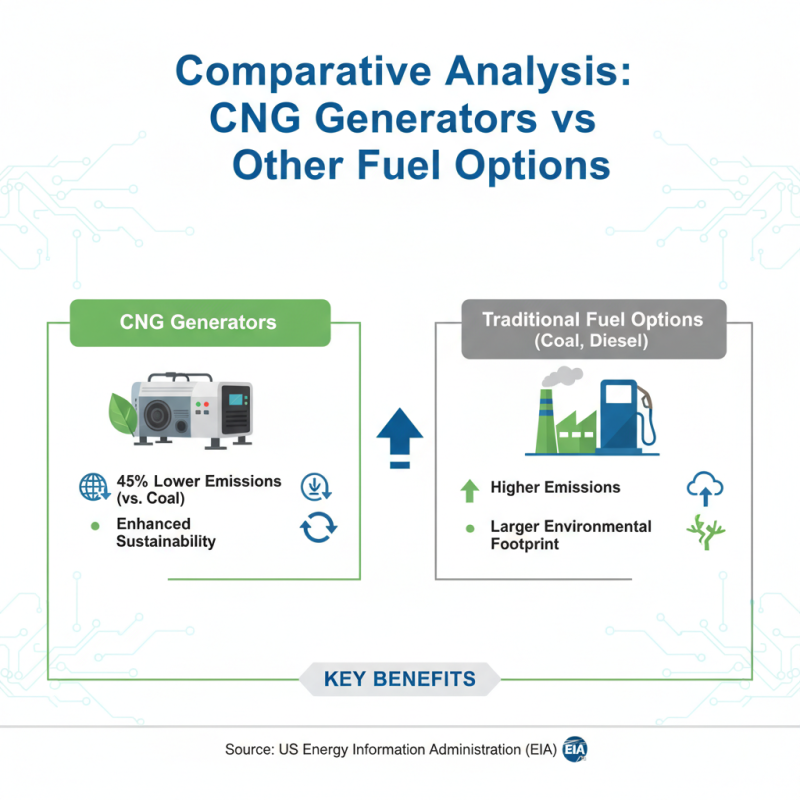
CNG generators are gaining traction as a reliable energy source. They offer significant benefits when compared to traditional fuel options. According to a report by the U.S. Energy Information Administration (EIA), natural gas emissions are 45% lower than those from coal-fired generation. This reduction in emissions can enhance sustainability efforts for companies aiming to improve their environmental footprint.
When assessing CNG generators against diesel or gasoline, several factors emerge. CNG is often more cost-effective than both diesel and gasoline. The operating costs for CNG generators can be up to 30% lower, according to an analysis by the International Energy Agency (IEA). However, the initial investment for CNG infrastructure may deter some buyers. CNG options also require careful consideration regarding supply availability, which can vary by location.
**Tip:** Evaluate your local fuel costs. This can help determine the potential savings.
CNG generators have a longer lifespan than their gasoline counterparts. Many users report over 15,000 hours of operation without significant issues. Despite this, CNG systems can face challenges related to weather conditions and storage requirements. This needs to be factored into your decision process.
**Tip:** Always conduct a site analysis before installation. This ensures your generator will perform optimally in your specific environment.
Best Practices for Maintaining CNG Generators for Optimal Performance
CNG generators are pivotal for sustainable energy solutions. To maintain optimal performance, proper maintenance practices are essential. Regular checks of the fuel system are crucial. Any leaks can lead to inefficiency. According to the U.S. Department of Energy, routine inspections can enhance the efficiency of CNG systems by up to 30%.
Air filters should also be cleaned or replaced frequently. A dirty filter reduces airflow, leading to increased fuel consumption. Research indicates that clean air filters can improve generator performance significantly. Additionally, monitoring the engine oil levels is vital. Regular oil changes can prevent engine wear and increase longevity.
It’s important to review the generator’s load regularly. An overloaded generator can suffer from stress, leading to failures. According to the International Energy Agency, ensuring generators operate within their maximum load can enhance durability. Regularly checking the cooling system helps prevent overheating. Temperature fluctuations can cause serious damage over time, necessitating consistent vigilance. By adhering to these best practices, operators can maximize generator efficiency and lifespan while addressing potential performance issues.
CNG Generator Benefits for Global Buyers and How to Choose? - Best Practices for Maintaining CNG Generators for Optimal Performance
| Feature |
Description |
Benefits |
| Cost Efficiency |
CNG typically costs less than diesel or gasoline. |
Significant reduction in fuel costs. |
| Environmental Impact |
CNG generates fewer pollutants and greenhouse gases. |
Lower emissions contribute to a cleaner environment. |
| Engine Longevity |
CNG combustion is cleaner, leading to less wear. |
Increased lifespan of the generator. |
| Maintenance |
CNG generators require less maintenance than gasoline counterparts. |
Reduced downtime and lower service costs. |
| Noise Level |
CNG generators operate more quietly than diesel generators. |
Better for residential or noise-sensitive areas. |

 Sinotruk Parts
 Shacman Parts
 FAW Parts
 Dongfeng Parts
 Foton Parts
 CHENGLONG PARTS
 Golden Dragon Bus Parts
 King Long Parts
 Yutong Parts
 Higer Parts
 Zhongtong Parts
 Ankai Parts




 Mr. Perry Wu International Sales Director