2026 How to Choose the Right CNG Generator for Your Needs?
In recent years, the demand for CNG generators has surged due to their eco-friendly nature and cost-efficiency. According to a report from the International Energy Agency, the use of natural gas in power generation is expected to rise by 20% by 2026. This trend highlights the increasing importance of switching to cleaner energy sources. CNG generators play a crucial role in this transition.
Choosing the right CNG generator involves understanding your specific power needs and operational requirements. A market analysis reveals that the global CNG generator market is projected to grow at a CAGR of 4.5% through 2027. Factors like power output, fuel capacity, and design are vital. However, many users may overlook the importance of maintenance and local fuel availability.
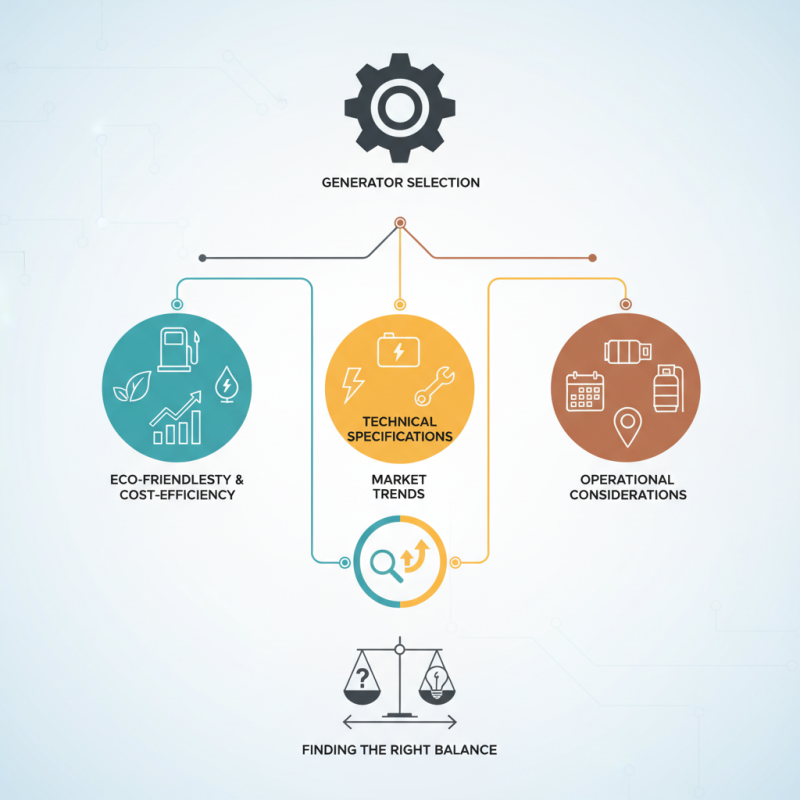
Investing in a CNG generator is a significant decision. It requires careful consideration of technical specifications and potential long-term savings. Users should reflect on their energy demands and how CNG can fit into their overall strategy. It’s essential to stay informed and acknowledge that the perfect generator may not exist. Finding the right balance is key.
Understanding CNG Generators: Basics and Benefits
CNG generators, or compressed natural gas generators, offer a cleaner energy alternative for various applications. These generators rely on natural gas, which is abundant and less harmful than traditional fuels. The key benefits include lower emissions and reduced noise levels. In many areas, they provide a reliable power source, particularly in remote locations.
Understanding the basics of CNG generators is essential. They convert gas into electricity through combustion, which powers a generator. This process produces fewer greenhouse gases than diesel or gasoline. CNG generators are particularly valuable in regions where air quality is a concern. They can effectively reduce the environmental impact of energy production, creating healthier communities.
Choosing the right CNG generator requires careful consideration. Users must assess their energy needs and the intended application. Factors like power output, fuel availability, and operating costs are crucial. Additionally, the importance of maintenance cannot be overstated. Regular checks help ensure optimal performance. Many users overlook this aspect, leading to potential overconsumption and efficiency loss.
Evaluating Your Power Requirements for CNG Generators
When considering a CNG generator, it’s crucial to assess your power requirements carefully. Begin by calculating your total energy needs. Gather data on the appliances and systems you intend to power. This includes lights, HVAC systems, and any specialized equipment. Each device has a specific wattage. Jot down these figures for an accurate total.
Next, think about any potential future expansions. Do you plan to add more equipment? Estimate additional power needs. It’s wise to choose a generator with some margin above your current requirements. This buffer ensures reliability during peak demand times.
Also, don’t overlook the generator's efficiency and operating costs. An efficient model may have a higher upfront cost but can save you over time. Evaluate frequent usage scenarios, maintenance schedules, and fuel availability. These factors play a key role in your choice. It’s important to reflect on your long-term usage; buying a larger unit may seem impractical initially but can prove beneficial in the long run.
2026 How to Choose the Right CNG Generator for Your Needs?
| Power Output (kW) |
Fuel Consumption (m³/h) |
Noise Level (dB) |
Run Time (hrs) |
Weight (kg) |
| 25 |
3.5 |
65 |
8 |
150 |
| 50 |
7.0 |
68 |
10 |
200 |
| 100 |
12.5 |
72 |
15 |
350 |
| 150 |
15.0 |
75 |
18 |
450 |
| 200 |
20.0 |
78 |
20 |
600 |
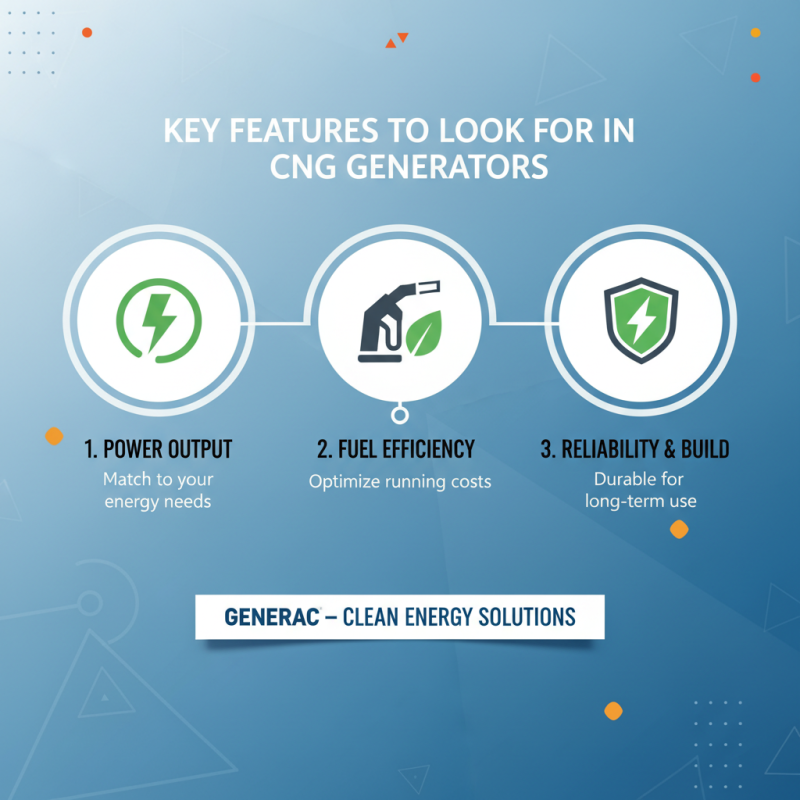
Key Features to Look for in CNG Generators
When choosing a CNG generator, understanding the key features is crucial. First, consider the generator's power output. This number should align with your energy needs. A generator that’s too small won’t supply enough power, while an oversized unit can lead to inefficiencies.
Another important feature is fuel efficiency. High-efficiency generators can significantly reduce operational costs. Look for models with adaptive fuel management systems. These systems adjust fuel consumption based on load demands. Efficiency is key to keeping expenses manageable.
Tips: Always assess noise levels. A quieter generator is beneficial for residential areas. Additionally, consider the generator's durability. Look for robust construction materials. This can ensure a longer lifespan.
Reliability is vital. Choose generators with proven performance records. Read reviews and seek out user experiences. Understanding real-world usage can help identify potential pitfalls. Make sure to reflect on maintenance requirements too. Some models might need frequent servicing, which can be a hassle.
Ultimately, the choice boils down to your specific needs. Ensure you gather enough information. This allows for a more informed decision. Balancing all these features can lead to a satisfactory selection.
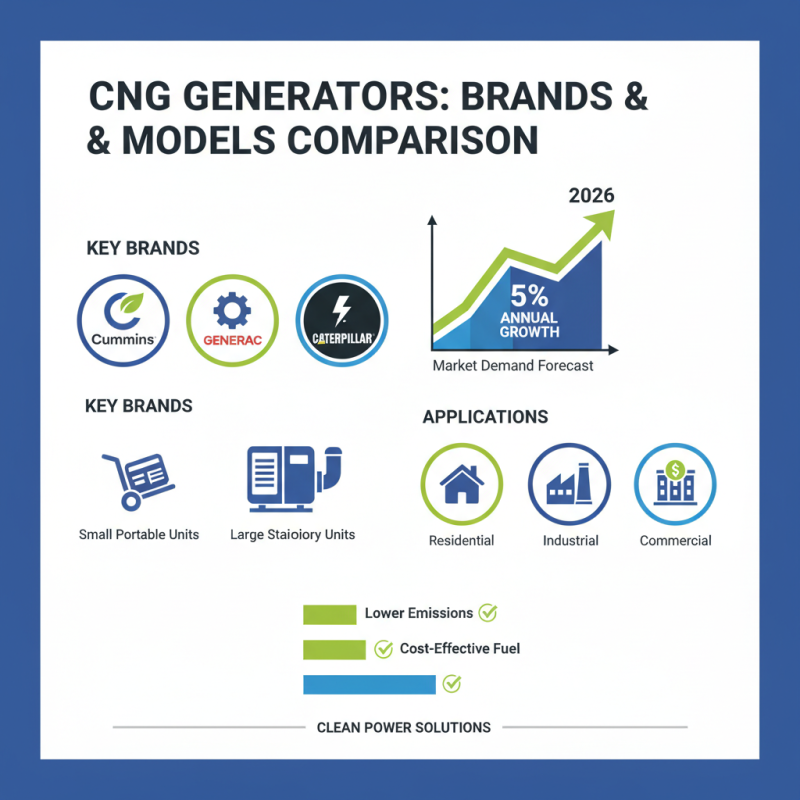
Comparing CNG Generators: Brands and Models
When selecting a CNG generator, it's crucial to compare various brands and models. The market is filled with options, from small portable units to large stationary generators. According to a recent industry report, demand for CNG generators is expected to grow by 5% annually through 2026. This surge reflects their increasing use in commercial, residential, and industrial applications.
Not all CNG generators are created equal. Some models emphasize fuel efficiency, while others focus on power output. A well-known analysis highlighted that the efficiency of CNG generators can vary by up to 30%. Understanding these metrics can inform your choice. Look into noise levels, portability, and maintenance needs as well. A reliable generator should balance power, efficiency, and ease of use.
While many users praise the performance of certain models, issues can arise. For instance, the complexity of some systems may lead to higher maintenance costs. It’s important to weigh these factors. Researching user reviews and professional assessments is essential. Do not overlook the capabilities and limitations of each generator. Take your time to analyze this data before making a decision.
Maintenance and Safety Considerations for CNG Generators
Maintenance is crucial for the longevity of CNG generators. Regular checks on components like filters, valves, and fuel lines can prevent costly repairs. Use a schedule for maintenance. Document each service performed. This method aids in tracking any patterns in performance issues.
Safety considerations should not be overlooked. CNG is a flammable gas, and proper handling is essential. Ensure that your generator is installed in a well-ventilated area. This minimizes the risks of gas accumulation. Emergency shut-off valves are also important. They provide quick response during incidents.
Training your team adds another layer of safety. Conduct regular training sessions on operating procedures. Equip them with knowledge on how to handle emergencies. Often, lapses in safety stem from a lack of understanding, not oversight. Prioritizing safety culture can significantly reduce risks.
2026 CNG Generator Performance Comparison

 Sinotruk Parts
 Shacman Parts
 FAW Parts
 Dongfeng Parts
 Foton Parts
 CHENGLONG PARTS
 Golden Dragon Bus Parts
 King Long Parts
 Yutong Parts
 Higer Parts
 Zhongtong Parts
 Ankai Parts





 Mr. Perry Wu International Sales Director