How to Choose the Best Genset Generators for Your Needs?
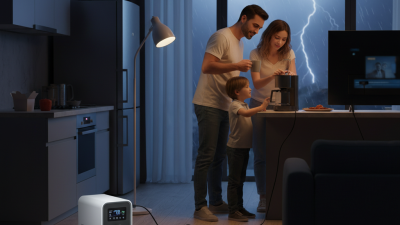
Choosing the right genset generators can be a complex task. With numerous brands and models available, making an informed decision is crucial. These generators serve as reliable power sources in various situations. From home backup systems to commercial applications, understanding your specific needs is vital.
Consider your power requirements carefully. How much energy do you need? Will you power essential devices during outages? This information helps narrow down your options. Think about the fuel type as well. Diesel or gasoline? Each has its advantages and disadvantages, influencing your overall cost and performance.
Researching reputable brands can save you time and money. Look for reviews and testimonials from trusted sources. Reliable generators offer longevity and efficiency. Lastly, don't overlook maintenance. Even the best genset generators require regular check-ups to ensure optimal performance. Reflect on your choices and seek expert advice when needed.
Understanding Different Types of Genset Generators and Their Applications
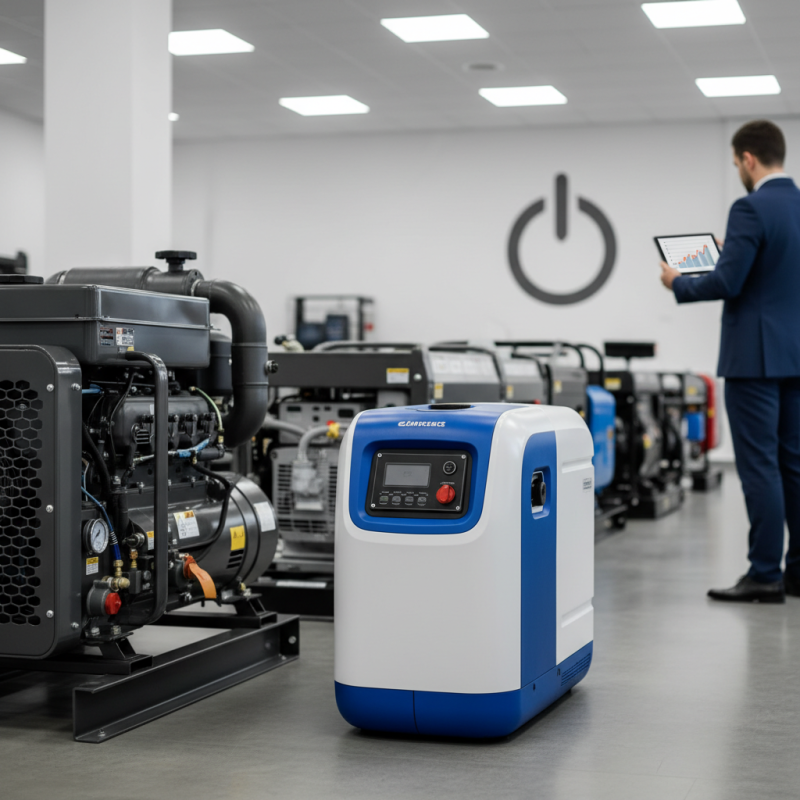
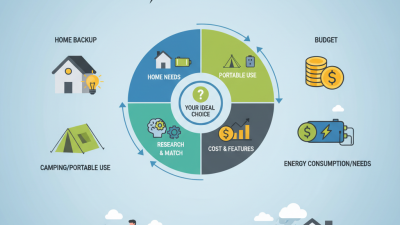
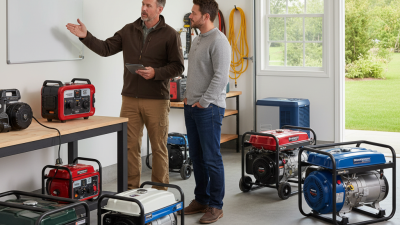
Choosing the right genset generator requires understanding various types and their specific applications. Genset generators can typically be classified into several categories, each serving different needs. Portable generators are ideal for small tasks, such as camping or powering tools on job sites. They are lightweight and easy to transport but offer limited power.
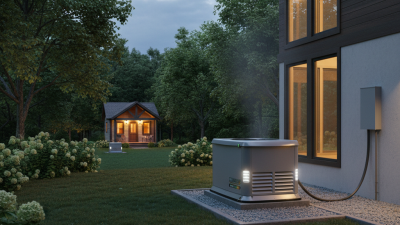
In contrast, standby generators are designed for home use. These systems provide backup power during outages, ensuring essential appliances remain operational. They run on natural gas or propane, making them reliable for prolonged periods. Industrial generators, on the other hand, cater to large facilities or construction sites. They generate substantial power but usually require a more complex setup. Selecting the wrong type can lead to inefficiencies and unnecessary costs.
Another aspect to consider is fuel type. Diesel generators are known for their durability and efficiency, while gas models are quieter and cleaner. Each fuel source has its advantages and challenges. It is crucial to assess your power needs and expected usage before making a decision. An informed choice can significantly impact performance.
Different Types of Genset Generators and Their Applications
Assessing Power Requirements: Calculating Load and Wattage Needs
Assessing power requirements is crucial when choosing a genset generator. Start by calculating your total load. This means adding up the wattage of all devices you plan to power. According to the Electrical Reliability Council of Texas, properly estimating wattage can improve system efficiency by up to 40%.
Consider your appliances. A refrigerator may require around 700-1,200 watts. Meanwhile, tools like drills could need over 600 watts. Knowing these details helps avoid overloading. It's essential to include startup wattage too, which is often 2-3 times higher than running wattage. This can catch inexperienced users off-guard, leading to potential generator failure.
Many users underestimate their wattage needs. Some reports suggest that nearly 70% of homeowners do not calculate their needs accurately. This can lead to purchasing a generator that is too small or excessively large. Each situation is unique, requiring careful reflection on actual usage patterns.
How to Choose the Best Genset Generators for Your Needs?
| Load Type |
Watts Required |
Recommended Generator Size (kW) |
Comments |
| Home Appliances |
3000 W |
5 kW |
Suitable for basic home usage |
| Construction Tools |
5000 W |
8 kW |
Ideal for heavy power tools |
| Recreational Vehicles |
2000 W |
3 kW |
Perfect for camping |
| Event Lighting |
4000 W |
6 kW |
Support for large gatherings |
| Emergency Backup |
6000 W |
10 kW |
For critical appliances during outages |
Evaluating Fuel Types: Diesel, Natural Gas, and Their Performance Metrics
When selecting genset generators, understanding fuel types is crucial. Diesel and natural gas are two popular options, each with unique benefits and performance metrics. Diesel generators often offer higher efficiency and energy density. They tend to perform better under heavy loads, making them a reliable choice for demanding applications. However, they may require more maintenance due to wear and tear.
In contrast, natural gas generators are cleaner and quieter. They produce fewer emissions but may lack the same power output as diesel generators. Their performance can fluctuate based on gas supply and pressure. Thus, it's important to assess your site’s fuel availability.
Tips: Choose a generator that aligns with your power needs. Evaluate your load requirements carefully. Don't underestimate maintenance costs. They can add up over time. Ensuring a reliable fuel supply can greatly influence overall efficiency and performance. Always think about environmental impacts when making your choice. Your decision should reflect not just power needs but also sustainability goals.
Key Features to Consider: Noise Level, Portability, and Runtime Efficiency
When selecting a genset generator, three critical features to consider are noise level, portability, and runtime efficiency. The noise level of a generator can greatly impact your experience. Many manufacturers offer models that operate at around 50 to 70 decibels. For perspective, normal conversation is about 60 decibels. A quieter generator can enhance usability in residential areas or parks. While some models advertise even lower noise levels, user reports often reveal inconsistencies.
Portability is vital for users who need to move their generators. Many modern genset generators weigh between 50 and 200 pounds. Features like wheels and handles can simplify transport. However, some users find that larger models, despite being portable, are cumbersome in tight spaces. It's essential to evaluate how and where you plan to use the generator, as this affects its practicality.
Runtime efficiency also plays a crucial role. Depending on fuel type and tank size, many generators can run from 5 to 20 hours on a single tank. According to industry studies, fuel efficiency can vary significantly among models. Some users report that their generators consume more fuel than expected during high-demand situations. It's worth investigating specific consumption patterns to ensure your selection aligns with your energy needs. Each of these features requires thoughtful consideration to find the best fit for your situation.
Analyzing Cost-Effectiveness: Initial Investment vs. Long-Term Savings
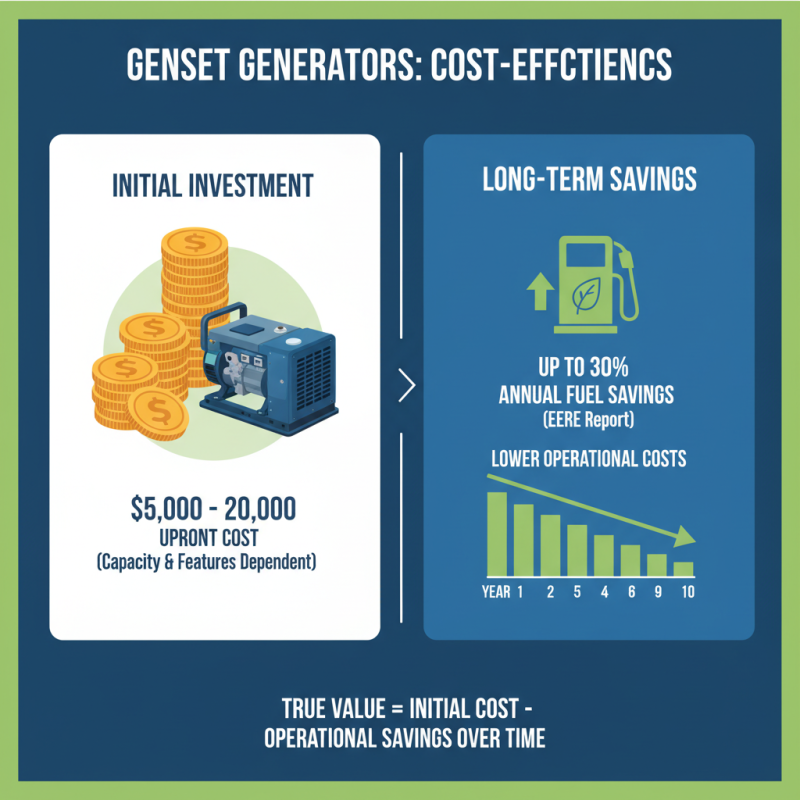
When analyzing the cost-effectiveness of genset generators, initial investments often overshadow long-term savings. The upfront costs can be significant, with some estimates suggesting an investment range of $5,000 to $20,000 depending on the generator’s capacity and features. However, one must consider operational costs over time to accurately gauge the true value. According to a report from the Energy Efficiency & Renewable Energy (EERE), generators that are more efficient may save users up to 30% on fuel costs annually.
Maintenance expenses also play a crucial role in overall cost. A well-maintained generator typically lasts 10 to 20 years, but neglect can lead to costly repairs. The U.S. Energy Information Administration (EIA) notes that regular servicing can prevent unexpected breakdowns and ensure efficiency, ultimately saving significant sums. Investing in quality parts for repairs or replacements can yield better long-term reliability, though it can seem burdensome initially.
Thus, while the initial financial burden might deter potential buyers, the long-term savings paint a different picture. Many operators overlook these long-term benefits while focusing solely on upfront costs. In reality, a thorough analysis of operational efficiency, maintenance strategies, and fuel savings should guide purchasing decisions. Balancing these factors is essential for making informed generator choices.

 Sinotruk Parts
 Shacman Parts
 FAW Parts
 Dongfeng Parts
 Foton Parts
 CHENGLONG PARTS
 Golden Dragon Bus Parts
 King Long Parts
 Yutong Parts
 Higer Parts
 Zhongtong Parts
 Ankai Parts



 Mr. Perry Wu International Sales Director