Choosing the right gas engine generator can seem daunting. According to expert John Smith, “Understanding your power needs is key.” Generators vary widely in capacity and features. A thoughtful approach will help you avoid common pitfalls.
Consider your primary usage. Do you need it for emergency backup or outdoor activities? Some models excel in portability, while others are designed for home use. Assessing your requirements will clarify your best options.
Always review specs carefully. Pay attention to wattage and fuel efficiency. Not every gas engine generator will suit every situation. Mistakes can lead to wasted money. Balancing power needs with budget is essential. Reflection is necessary to make the right choice.
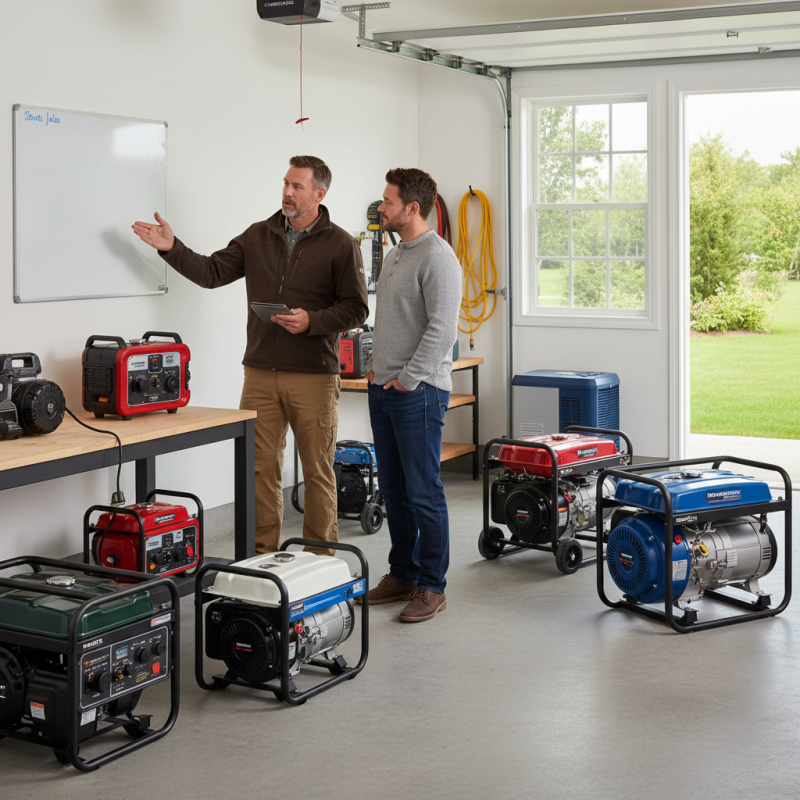
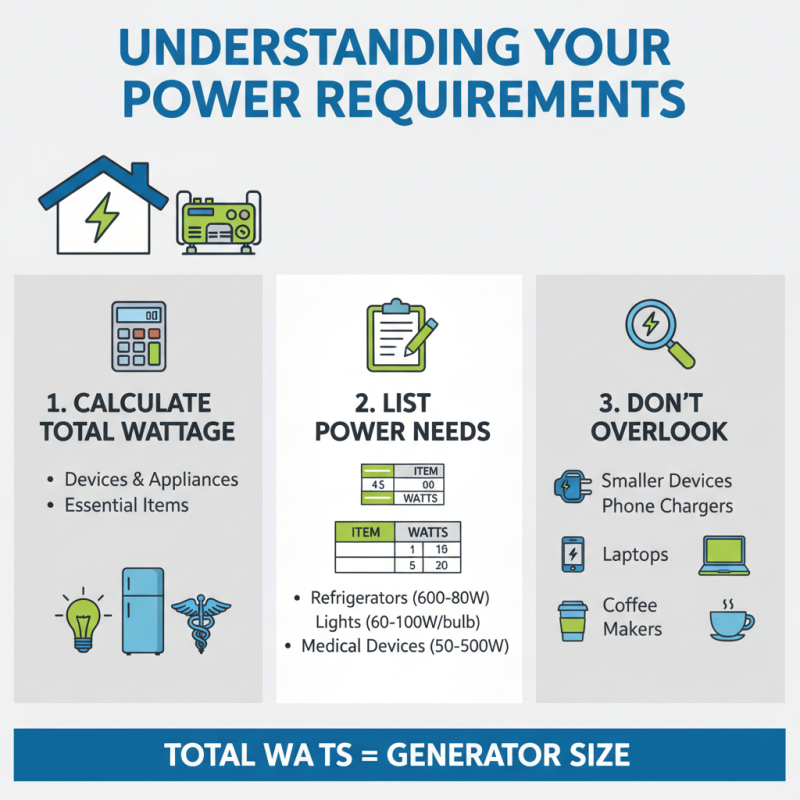
When choosing a gas engine generator, understanding your power requirements is crucial. Calculate the total wattage of the devices and appliances you plan to use. Consider essential items like refrigerators, lights, and medical devices. List these items and their power needs. It's easy to overlook smaller devices that can add up.
Next, think about starting vs. running wattage. Some appliances require extra power to start. For instance, a refrigerator may need more energy to kick on than to run. This aspect is often underestimated. It's wise to add about 30% more wattage to accommodate these surges. Doing so will prevent the generator from overload.
People sometimes get confused between continuous and surge power. A generator's rated power refers to its continuous output. The surge power is temporary but vital for starting appliances. Not understanding this differentiation might lead to purchasing the wrong generator. Reflect on your needs. Are you prepared for unexpected power requirements? This careful consideration can save you from frustration later.
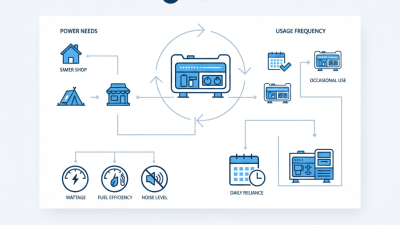
Choosing the right gas engine generator involves considering several types and features.
Portable generators are versatile and easily moved. They suit camping trips or small outdoor events. However, they may lack the power needed for larger equipment.
In contrast, standby generators provide more power.
They automatically kick in during outages. This is a great feature for those who rely heavily on electricity. But they are often fixed installations. You must consider space and installation costs for such units.
Additionally, assess fuel efficiency and noise levels. Some models run quietly, while others can be quite loud.
It’s important to evaluate your specific needs. Will noise impact your neighbors? Can you fit a larger unit? These questions can guide your decision.
Therefore, it’s wise to weigh the pros and cons based on personal circumstances.
When choosing a gas engine generator, fuel efficiency is a crucial factor. A generator with better fuel efficiency can save you money in the long run. It often allows for longer runtimes without frequent refueling. For instance, a generator that runs efficiently might give you up to 12 hours of operation on a single tank. However, not all generators advertise honest fuel consumption rates. It's important to dig deeper and research real-world performance.
Consider your usage. If you plan to use the generator during camping or emergency situations, you might prioritize runtime over other features. Some models may seem efficient on paper but underperform in actual use. Always read user reviews and experiences. They offer valuable insight into fuel consumption and runtime reliability. This can help you avoid a generator that leaves you stranded with an empty tank during critical moments. Look for models that strike a balance between power output and fuel economy. Your needs should dictate the choice, rather than flashy specifications.
Balancing fuel efficiency with your power requirements is vital. Analyze how much power you truly need. If the generator is more powerful than necessary, it can waste fuel. Experimenting with different models can help find the right fit. Be mindful of what manufacturers claim. Real-world functionality often tells a different story.
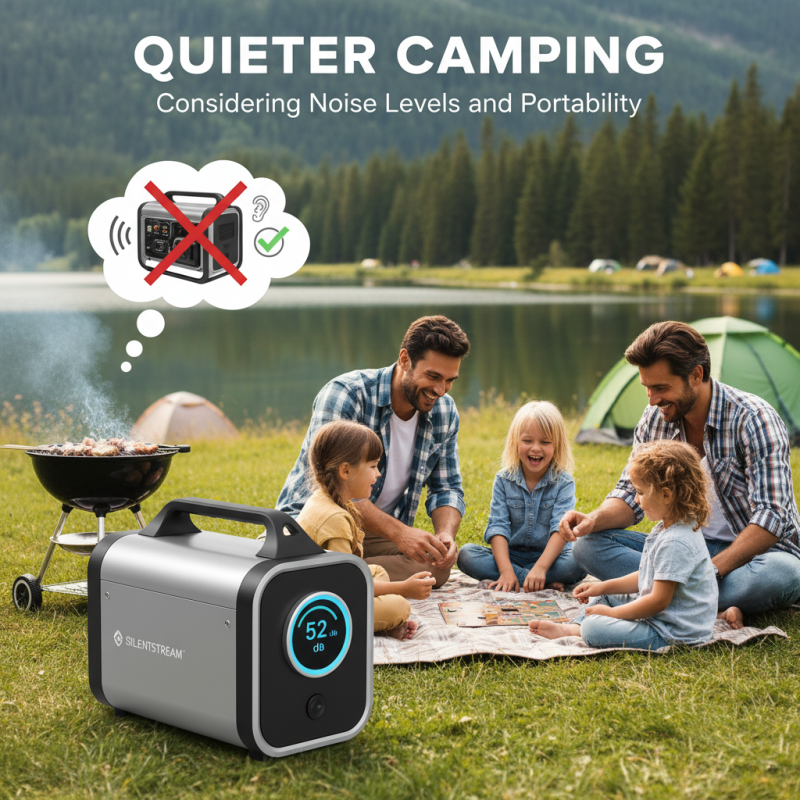
When choosing a gas engine generator, noise levels significantly impact usability. A study indicates that many portable generators reach sound levels of 60-70 decibels. This range can disrupt outdoor gatherings, which is something to consider. If you camp often or plan to use it in sensitive areas, look for models with noise-reduction features. Some manufacturers claim noise levels as low as 50 decibels. However, real-world usage may differ; it’s wise to check user reviews and conduct tests if possible.
Portability is another vital factor. Generators vary widely in weight and design. Some are lightweight and designed for easy transport, while others may exceed 100 pounds. For those who travel frequently, a compact, wheeled option can be more beneficial. Industry reports suggest that the physical size can indeed limit where and how comfortably you can position the generator during use. A good rule of thumb is to evaluate not just the weight but also the handle design. An uncomfortable grip can make transportation a chore, deterring owners from using their generator as often as intended.
When considering a gas engine generator, budgeting for both purchase and maintenance costs is crucial. The initial investment can range significantly. According to industry reports, small portable generators can start at around $300, while larger models may exceed $2,000. It's essential to assess your specific power needs against your budget.
Maintenance costs are another vital factor. Regular servicing is necessary to ensure longevity. Estimates suggest that annual maintenance can cost between $100 and $300. This includes oil changes, air filter replacements, and spark plug checks. Ignoring these tasks can lead to costly repairs later on.
**Tip:** Allocate about 10% of the generator’s purchase price for yearly maintenance.
Consider your usage frequency. An infrequent user may opt for a less expensive model. Conversely, daily heavy users should invest in higher-quality options to avoid breakdowns.
**Tip:** Evaluate your power requirements carefully to prevent overspending.
Reflect on your generator's location and storage needs. An outdoor setup may require additional weather protection, adding to overall costs. Planning for these factors upfront can save you money and effort down the road.