2026 How to Choose the Right Gas Engine Generator for Your Needs?
Choosing the right gas engine generator is crucial for your power needs. The market offers diverse options, each with unique features. A gas engine generator can be a reliable source of backup power for homes, businesses, or outdoor activities. However, with so many variables, making a choice can feel overwhelming.
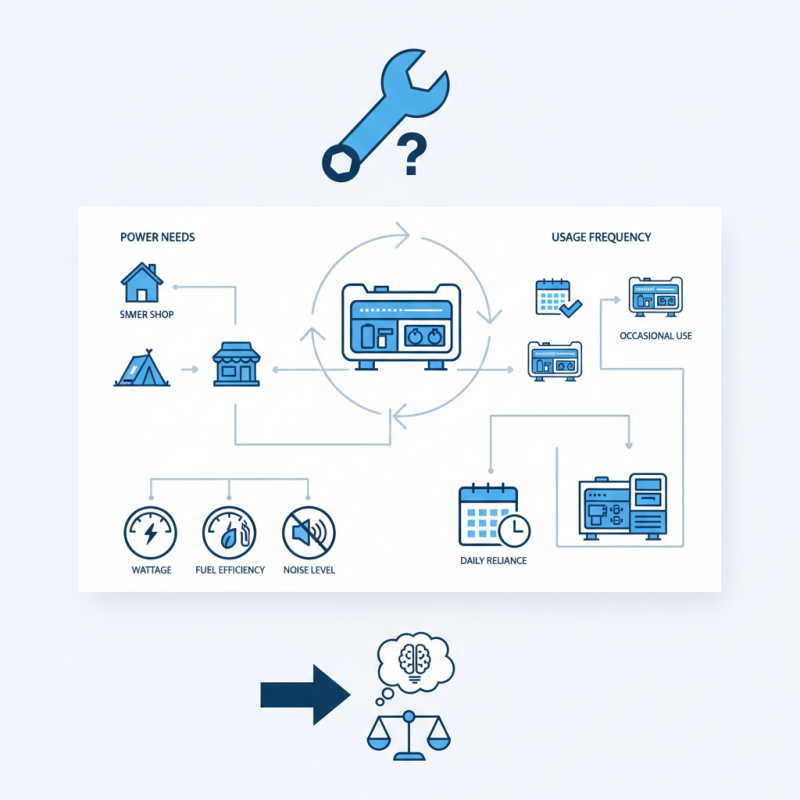
Consider the generator’s wattage, fuel efficiency, and noise levels. These factors significantly impact your experience. A generator must match your required power output. Too small, and it won't meet your needs; too large, and you waste money and fuel.
Reflect on how often you'll use it. Occasional use may not require the same investment as daily reliance. These specifics shape your decision. A gas engine generator, while versatile, demands careful thought. Don't rush; take your time to evaluate your needs and options.
Understanding Power Requirements: Calculate Your Wattage Needs
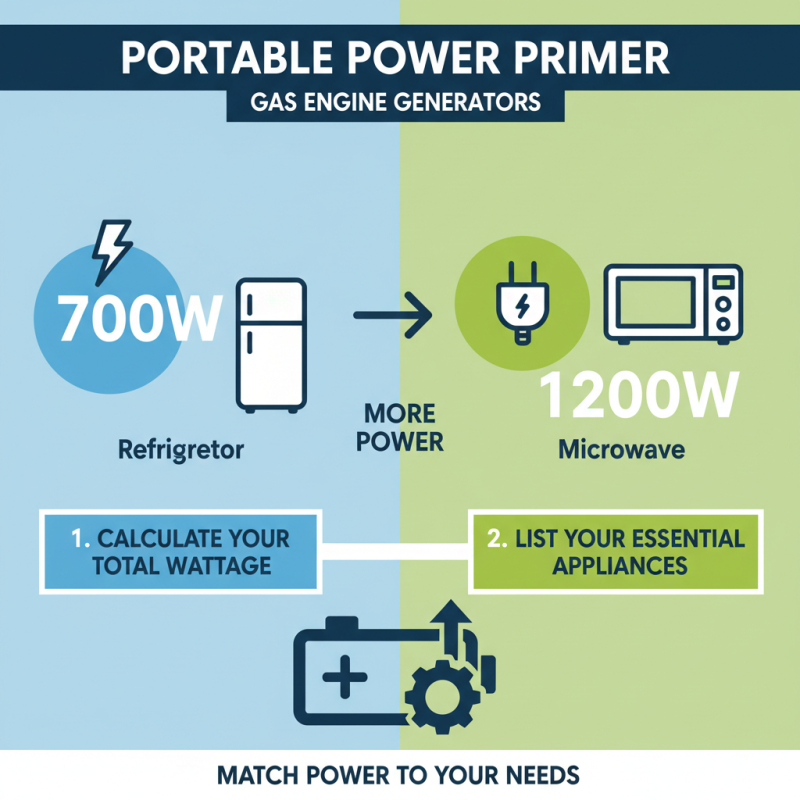
Choosing the right gas engine generator starts with understanding your power needs. Calculating wattage is crucial. Think about the appliances you'll use. Each device requires a specific wattage to operate efficiently. For example, a refrigerator may need about 700 watts. Meanwhile, a microwave could demand up to 1200 watts.
Start by listing all the devices you plan to power. Add together their wattage requirements. Don't forget about startup wattage. Some appliances need extra power when they start up. This initial power surge can be significant. For instance, air conditioners often require triple their normal running wattage at startup.
Consider your total wattage carefully. It’s easy to underestimate your needs. You might think 3500 watts is enough for basic use. But when you add in surge requirements, it may fall short. Reflect on your priorities. Are there appliances you can live without? This process may reveal surprising insights.
Types of Gas Engine Generators: Comparing Portability and Capacity
When selecting a gas engine generator, understanding the differences in portability and capacity is crucial. Portable generators are compact, lightweight, and easy to transport. These have wheels and handles, making them ideal for camping, tailgating, or emergency home use. Their smaller size often means lower output. They typically provide enough power for essential devices, like lights and refrigerators, but may struggle with larger appliances.
On the other hand, stationary generators offer much greater capacity. These are designed for fixed installations, often providing backup power for an entire home. Their heavier build requires more space and professional installation. While they generate more electricity, this comes at the cost of reduced mobility. It's vital to consider your immediate power needs versus future requirements. If portability is a priority, a smaller unit might suffice. However, if you're planning for long-term reliability, investing in a high-capacity model makes more sense. Make sure to weigh these aspects carefully before making a decision.
2026 How to Choose the Right Gas Engine Generator for Your Needs?
This chart compares the maximum output (in watts) of different types of gas engine generators, including Portable, Inverter, Standby, and Dual-Fuel generators. Choose based on your power needs and application requirements.
Key Features to Consider: Noise Levels, Run Time, and Maintenance Needs
When selecting a gas engine generator, noise levels should be a primary consideration. The average generator produces between 50 to 70 decibels. This range can be disruptive, especially in residential areas. Noise could affect your neighbors and violate local regulations. Therefore, look for models designed for quieter operation. Some units have noise-reducing features, which might be crucial if you require peace in your environment.
Run time is another essential factor. A generator's run time can vary significantly from 5 to 20 hours on a single tank of gas. This variation often depends on load demand and tank size. For extended use, a larger tank can reduce the frequency of refueling. Moreover, understanding fuel efficiency is key. A unit that consumes less fuel can save money and time.
Maintenance needs are frequently overlooked but are vital for longevity. Regular oil changes and air filter replacement are essential tasks. Studies show that lack of maintenance can decrease efficiency by up to 30%. Some generators require more frequent servicing, which can be inconvenient. Knowing these requirements can prevent unexpected costs and ensure reliability when you need it most.
2026 How to Choose the Right Gas Engine Generator for Your Needs? - Key Features to Consider
| Model |
Noise Levels (dB) |
Run Time (hrs) |
Maintenance Needs |
| Model A |
58 |
12 |
Low |
| Model B |
60 |
10 |
Moderate |
| Model C |
55 |
15 |
Low |
| Model D |
65 |
8 |
High |
| Model E |
62 |
10 |
Moderate |
Fuel Efficiency and Operation Costs: Analyzing Long-Term Expenses
When selecting a gas engine generator, fuel efficiency is crucial. It directly impacts long-term operational costs. A generator with high fuel efficiency saves you money over time.
For example, two models may produce similar power, but their fuel consumption can vary greatly. Always check the generator's fuel consumption rate and runtime.
Another key factor is maintenance costs. Engines require regular upkeep to operate efficiently. Oil changes, air filter replacements, and spark plug checks add to your expenses. Neglecting these can lead to reduced efficiency and higher costs. Consider how often you'll need to service the generator. It’s important to factor in these routine expenses when calculating overall costs.
A slightly less efficient generator might seem cheaper upfront. However, if it consumes more fuel, you'll spend more in the long run. Analyze your usage patterns carefully. Think about how often you'll use it and whether you need portability. Reflecting on these aspects can help you avoid common pitfalls when choosing a generator. Take your time to weigh your options carefully.
Safety Considerations: Essential Features for Safe Operation
When choosing a gas engine generator, safety should be your top priority. Look for generators with built-in safety features. These include low-oil shutdown, overload protection, and circuit breakers. These features can prevent accidents and extend the life of your generator.
Tips: Always check the generator’s user manual for specific safety guidelines. Make sure it’s compliant with safety standards. Regular maintenance is crucial for safe operation.
Consider the placement of your generator. It should be placed outdoors, far from doors and windows to avoid carbon monoxide buildup. Good ventilation is key to safe operation. Keep the area around the generator clear. Flammable materials should be kept at a safe distance.
Tips: Use a carbon monoxide detector in your home. This can provide an extra layer of safety. Test the detector regularly to ensure it works correctly. Having a fire extinguisher nearby is also a wise choice, just in case.

 Sinotruk Parts
 Shacman Parts
 FAW Parts
 Dongfeng Parts
 Foton Parts
 CHENGLONG PARTS
 Golden Dragon Bus Parts
 King Long Parts
 Yutong Parts
 Higer Parts
 Zhongtong Parts
 Ankai Parts


 Mr. Perry Wu International Sales Director