Why Choose a Small Generator for Your Power Needs?
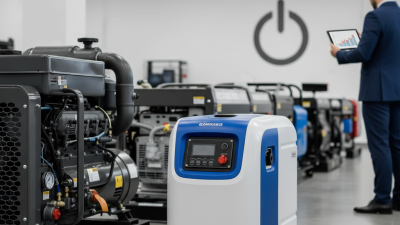
In today’s world, a reliable power source is crucial for both daily living and emergency situations. Many people overlook the benefits of a small generator. Choosing a small generator can unlock numerous advantages, such as portability and efficiency. This compact device can provide sufficient power for essential appliances during blackouts or outdoor activities.
Small generators are easy to transport. Their lightweight design means you can take them anywhere. Whether you’re camping, tailgating, or needing backup power at home, their convenience is undeniable. They are also silent compared to larger models, which can be disruptive in quiet settings.
However, it's important to consider your specific needs before purchasing a small generator. Not every situation requires the same amount of power. Reflecting on your requirements is essential. A small generator may not run heavy equipment, but it can power lights and charge devices effectively. This balance of capability and size makes small generators an attractive option for many power needs.
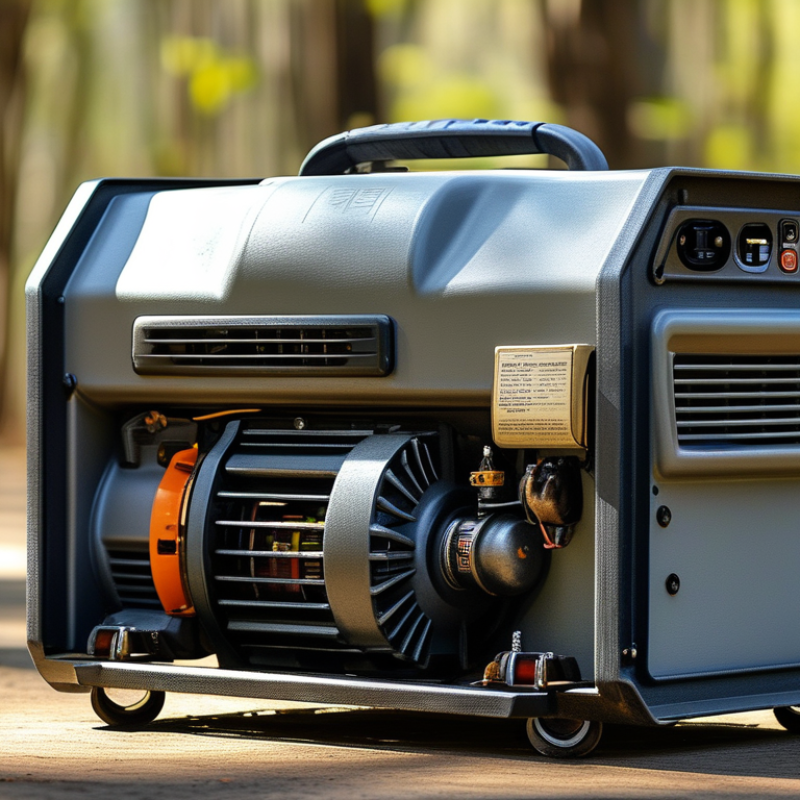
Benefits of Using a Small Generator for Home Power Supply
A small generator can be a great choice for home power needs. It's compact and easy to store, making it practical for limited spaces. These generators provide sufficient energy for essential appliances during unexpected outages. They also give peace of mind when preparing for emergencies.
Choosing a small generator offers greater convenience. You can power lights, refrigerators, and other essentials without relying on the grid. This type of generator is usually quieter than larger models, ensuring minimal disturbance. Small units are often more fuel-efficient, saving you money in the long run.
Consider your power requirements carefully. Assess which devices you'll need during an outage. Prioritize essentials to avoid overloading the generator. Regular maintenance is crucial for longevity. Keep it clean and check fuel levels. A well-maintained generator is reliable when you need it the most.
Key Features to Consider When Selecting a Small Generator
When selecting a small generator, it's essential to focus on key features that impact performance. The wattage rating is crucial. Small generators typically range from 1,000 to 3,000 watts. This capacity can power essential appliances during outages, making them a popular choice for homeowners. According to the U.S. Department of Energy, even a generator with a low wattage can support a refrigerator and a few lights, providing peace of mind during unpredictable events.
Another critical feature is fuel efficiency. Many small generators use either gasoline or propane. A report from the Electric Power Research Institute highlights that propane generators often operate longer on less fuel, making them economical for regular use. Furthermore, noise levels matter. Generators can emit loud sounds, which can be disruptive. Research indicates that models operating below 60 decibels are preferable for residential areas, aligning with community noise regulations.
Portability is also a significant factor. Weighing less than 50 pounds, some generators can easily be moved between locations. This can be ideal for camping or outdoor events where power is needed. However, not all portable generators have stable power outputs. Inconsistent voltage can damage sensitive electronics. Therefore, assessing a generator's inverter technology is necessary. A good generator should balance portability with reliable power delivery for varied applications.
Cost-Effectiveness: Small Generators vs. Larger Models
When considering power needs, small generators often shine in terms of cost-effectiveness. Their lower initial investment makes them appealing for budget-conscious buyers. Smaller models generally require less maintenance, which means fewer expenses over time. Users can save money on fuel and repairs compared to larger generators. This aspect is crucial for those seeking reliable power without the hefty price tag.
Energy efficiency is another key consideration. Small generators are designed to provide adequate power for essential appliances. They tend to consume less fuel while operating, which could lead to significant savings in the long run. However, one must consider their limitations. If you're powering multiple devices or large equipment, a small generator may struggle to meet those demands. This trade-off requires careful evaluation of your power requirements.
There’s a real charm in compactness. Smaller generators are easy to transport and store. They fit snugly in tight spaces, perfect for camping or emergency backup. Yet, their size can also lead to frustration if inadequate for certain tasks. Users must reflect on what they truly need and how they plan to use the generator. Misjudging these aspects could defeat the purpose of a cost-effective energy solution.
Versatility of Small Generators for Various Applications
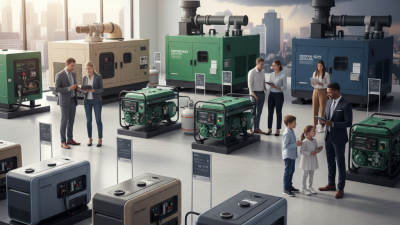
Small generators have gained popularity due to their versatility. They can power tools for DIY projects, provide electricity during outages, or even run small appliances at home or on camping trips. This adaptability makes them an ideal choice for various scenarios. Whether you need energy for a backyard party or for your worksite, a small generator can meet your needs effectively.
The application of small generators extends beyond basic home usage. In remote areas, they provide essential power for construction sites. Artists on the go use them to energize equipment in outdoor settings. These generators also support recreational activities such as camping, allowing users to power lights, fans, or portable cooking devices. However, the selection of suitable models can be challenging. It's crucial to consider both power output and fuel efficiency to ensure reliability.
While small generators are convenient, they come with limitations. Their capacity may not handle high-demand appliances simultaneously. Users should be aware of their limits. Understanding how much power is needed for various applications is essential. Research can help in making informed decisions. This way, you can avoid potential mishaps or power shortages during critical moments.
Why Choose a Small Generator for Your Power Needs?
Environmental Impact and Noise Levels of Small Generators
Small generators have gained popularity for their convenience and portability. However, the environmental impact and noise levels of these devices are often overlooked. A study by the Environmental Protection Agency indicates that small generators can emit significant levels of pollutants. Typical models can produce up to 1.9 grams of nitrogen oxides per kilowatt-hour. This statistic underscores the need to consider cleaner energy options.
Noise is another critical concern. Many small generators operate at levels above 60 decibels, which can disrupt local wildlife and human activities. According to the World Health Organization, prolonged exposure to noise levels above 55 decibels can lead to health issues. It's essential to select units with lower decibel ratings if sound pollution is a concern.
While small generators may offer immediate convenience, their longer-term implications on the environment warrant reflection. The push for quieter, cleaner models is gaining traction within the industry. However, not all manufacturers prioritize eco-friendly designs. This inconsistency complicates the decision-making process for consumers. Therefore, it’s vital to investigate the specifications and environmental ratings carefully. Choosing a generator with minimal emissions and noise levels can lead to a healthier choice for both users and the planet.

 Sinotruk Parts
 Shacman Parts
 FAW Parts
 Dongfeng Parts
 Foton Parts
 CHENGLONG PARTS
 Golden Dragon Bus Parts
 King Long Parts
 Yutong Parts
 Higer Parts
 Zhongtong Parts
 Ankai Parts


 Mr. Perry Wu International Sales Director