How to Choose the Right Silent Genset for Your Power Needs?
Choosing the right Silent Genset is crucial for modern energy needs. According to a recent report by Research and Markets, the global market for generators is projected to grow significantly, reaching $26 billion by 2026. Silent Gensets cater to a diverse range of applications, from residential use to critical business operations.
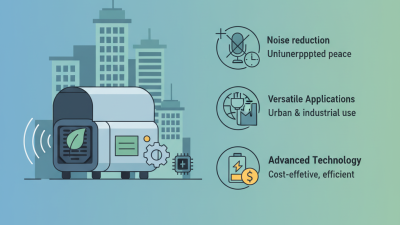
For instance, noise pollution can be a concern. A Silent Genset operates at a lower decibel level, making it ideal for urban environments. Users can benefit from uninterrupted power without disturbing their neighbors. However, selecting the right model requires careful consideration of power output, fuel type, and runtime. Not all gensets are equal; some may fall short during peak demand.
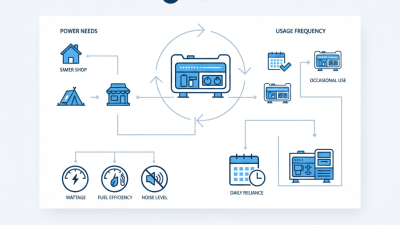
Potential buyers should reflect on their specific power needs. A mismatched Silent Genset can lead to inefficiencies and unnecessary costs. It is essential to engage with industry experts and consider past experiences. Balancing performance and budget can be challenging. Each choice comes with its own set of advantages and possible drawbacks.
Understanding Your Power Requirements for a Silent Genset
Understanding your power requirements is essential when selecting a silent genset. Begin by evaluating the total wattage needed for your appliances and equipment. Often, a single household can require between 3,000 to 10,000 watts, depending on the number of devices and their usage. Data from the American Society of Mechanical Engineers suggests that accurate calculations can help avoid overspending on unnecessary capacity.
Consider the starting and running wattage of your most power-hungry devices. For example, a refrigerator may require up to 2,200 starting watts, while a typical air conditioner could need around 3,000 watts. This means your genset needs to accommodate these spikes effectively. A thorough assessment can prevent the common mistake of underestimating requirements, which can lead to performance issues during peak demand.
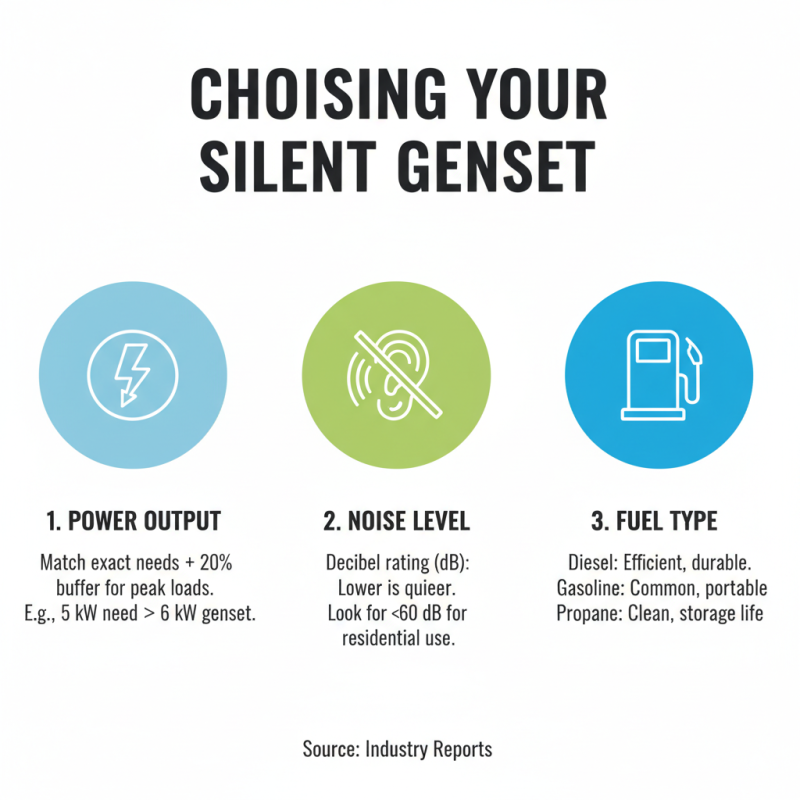
Don't overlook other factors, such as fuel type and efficiency ratings. A silent genset typically operates on gasoline, diesel, or propane, each with distinct advantages. Gasoline gensets may offer lower initial costs but consume fuel at a higher rate. Reports indicate that diesel engines tend to be more efficient, providing better longevity. Weighing all these variables will help you make a more informed, albeit imperfect choice.
Evaluating Different Types of Silent Generators for Your Needs
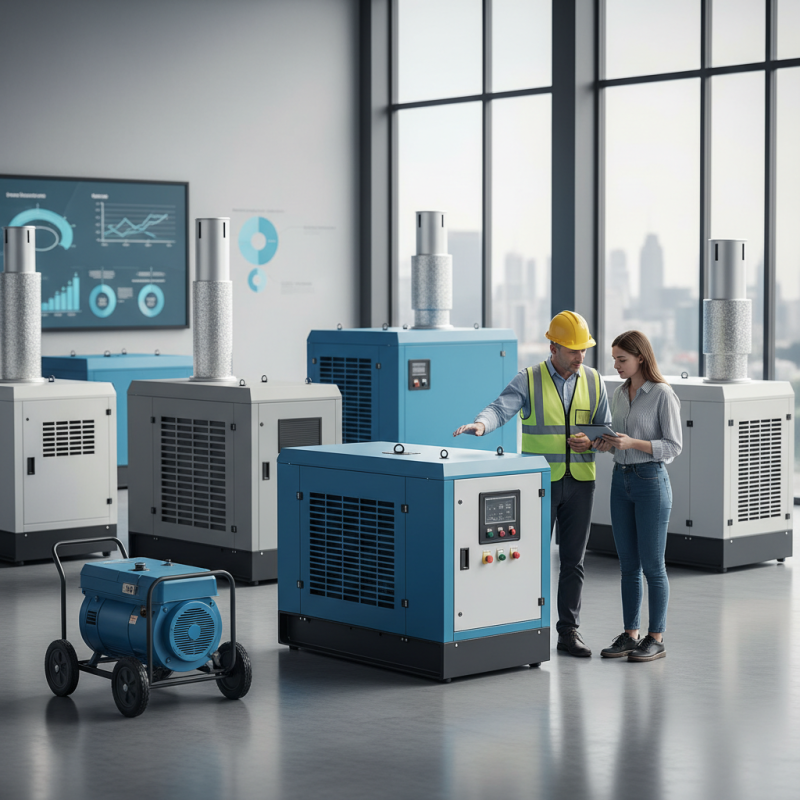
When selecting a silent generator, it's essential to evaluate different types to meet your specific power needs. The market offers portable, standby, and inverter generators. Portable generators are ideal for outdoor events or camping trips, offering convenience and a lighter weight. Standby generators, however, provide continuous power during outages. According to industry reports, around 20% of businesses experience power disruptions each year, making reliable standby options crucial for professional environments.
Inverter generators excel in fuel efficiency and noise reduction. They provide clean energy, making them suitable for sensitive electronics. Some studies indicate that inverter models can reduce fuel consumption by up to 50% compared to traditional generators. However, their higher initial costs may deter potential buyers. Also, it’s important to consider maintenance issues. Regular servicing is necessary for long-lasting performance.
Evaluating the right silent generator means looking beyond basic specifications. Understand your usage patterns and the power requirements of your appliances. Many users underestimate their energy needs, leading to insufficient performance. Take time to calculate wattage requirements accurately. This approach ensures you select a model that fits your lifestyle and budget. Silence does not always equal efficiency; balance is key.
How to Choose the Right Silent Genset for Your Power Needs
| Type of Silent Generator |
Power Output (kW) |
Fuel Type |
Noise Level (dB) |
Run Time (hrs) |
Weight (kg) |
| Portable Silent Generator |
2.5 |
Diesel |
58 |
10 |
35 |
| Standby Silent Generator |
5 |
Natural Gas |
53 |
12 |
50 |
| Residential Silent Generator |
7 |
Propane |
55 |
8 |
70 |
| Commercial Silent Generator |
10 |
Diesel |
60 |
15 |
100 |
| Heavy Duty Silent Generator |
15 |
Diesel |
65 |
20 |
150 |
Key Features to Look for in a Silent Genset
Choosing the right silent genset requires attention to specific features. Start by considering power output. Look for a model that meets your exact power needs, whether for home or business. Industry reports indicate that a genset should have at least a 20% buffer to handle peak loads effectively. For example, if your requirement is 5 kW, select a genset with a capacity of at least 6 kW.
Noise level is another crucial factor. Silent gensets are designed to operate quietly, often under 60 dB. This is essential for residential areas and environments where noise can disrupt normal activities. Additionally, pay attention to fuel efficiency. A genset that consumes less fuel will significantly reduce operating costs. According to recent statistics, efficient models can save up to 30% on fuel compared to older units.
Tips: Always review user feedback before purchasing. Online ratings can provide insights into real-world performance. Installing a genset under proper guidelines is also vital. Poor installation may lead to inefficiencies and noise issues. Strive for balance in all features. Choosing one over the others might seem easier, but neglecting any aspect can lead to regrets. Prioritize what matters most for your unique needs.
Assessing Noise Levels and Their Impact on Usage
When choosing a silent genset, noise levels are crucial.
The impact of noise extends beyond just discomfort. Excessive noise can limit where you can operate the generator, especially in residential areas. It’s vital to check the decibel ratings before purchasing. A genset with low decibel levels is ideal for maintaining a peaceful environment.
Tip: Look for units that offer soundproofing features. These can significantly reduce operational noise. Consider where you will place the genset. Proximity to your living space will increase noise annoyance. Some models come with enclosures designed for better sound reduction. This can make a significant difference in sound levels.
Remember, not all "silent" generators are equally quiet. Testing them in real environments is essential. Gathering feedback from other users can help make an informed decision. Selection should be based on your unique needs and space constraints. Investing time in research saves future headaches.
Budgeting for Purchase and Maintenance of a Silent Genset
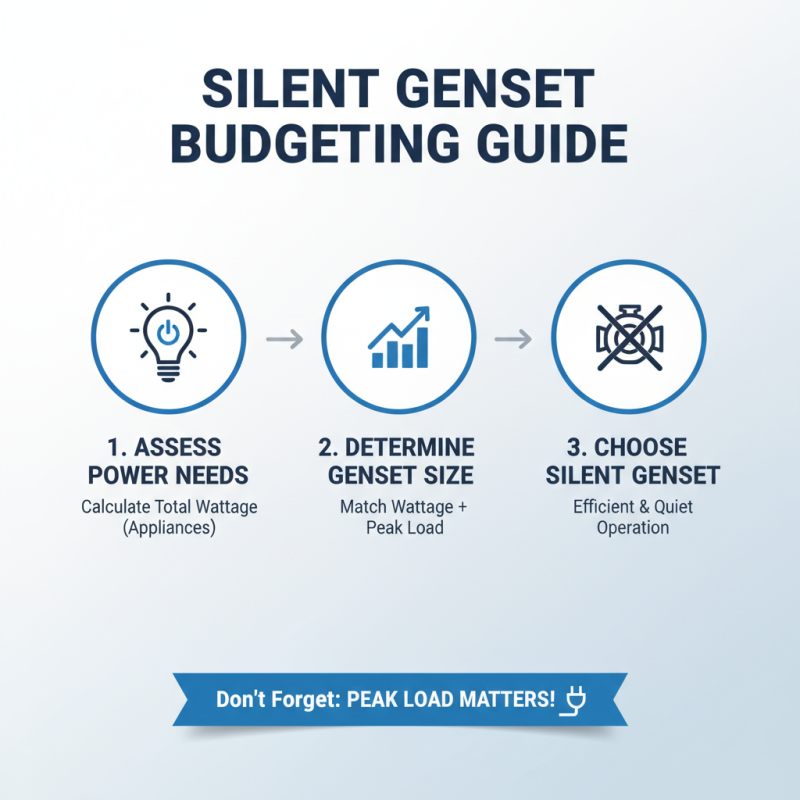
When budgeting for a silent genset, start by assessing your power needs. Calculate the total wattage required for your appliances. This will help narrow down your options and determine the size of the genset. Don't forget to consider peak load requirements. They can significantly affect your choice.
Next, factor in purchase costs. Silent gensets come in various price ranges. Research different models that fit your criteria. Additionally, think about installation expenses. Improper installation can lead to inefficiencies. Maintenance costs are also critical. Regular servicing could prevent breakdowns and extend the life of your genset.
Lastly, consider fuel costs. Operating a silent genset requires fuel, which adds to long-term expenses. Evaluate the availability of fuel types in your area. An inefficient genset can become a financial burden over time. This is something worth reflecting on. Balancing budget and power needs is no small task, but it’s essential for long-term satisfaction.

 Sinotruk Parts
 Shacman Parts
 FAW Parts
 Dongfeng Parts
 Foton Parts
 CHENGLONG PARTS
 Golden Dragon Bus Parts
 King Long Parts
 Yutong Parts
 Higer Parts
 Zhongtong Parts
 Ankai Parts




 Mr. Perry Wu International Sales Director