What is a Biogas Genset and How Does it Work?
A Biogas Genset is an innovative system that transforms organic waste into clean energy. This device converts biogas, produced from biodegradable materials, into electricity. It plays a vital role in sustainable energy production and waste management.
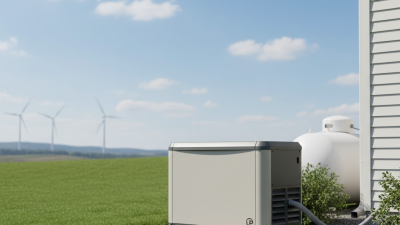
Biogas Gensets can be found in various settings, from farms to landfills. They offer a practical solution for reducing waste while generating power. Yet, the efficiency of these systems can vary significantly based on the type of organic feedstock used. Many factors impact performance, such as temperature and moisture content.
While Biogas Gensets are beneficial, they are not without challenges. Some users report maintenance issues and efficiency drops. Understanding these aspects is crucial for maximizing their potential. This technology represents a promising step toward eco-friendly energy, but continuous improvement is necessary.
What is a Biogas Genset?
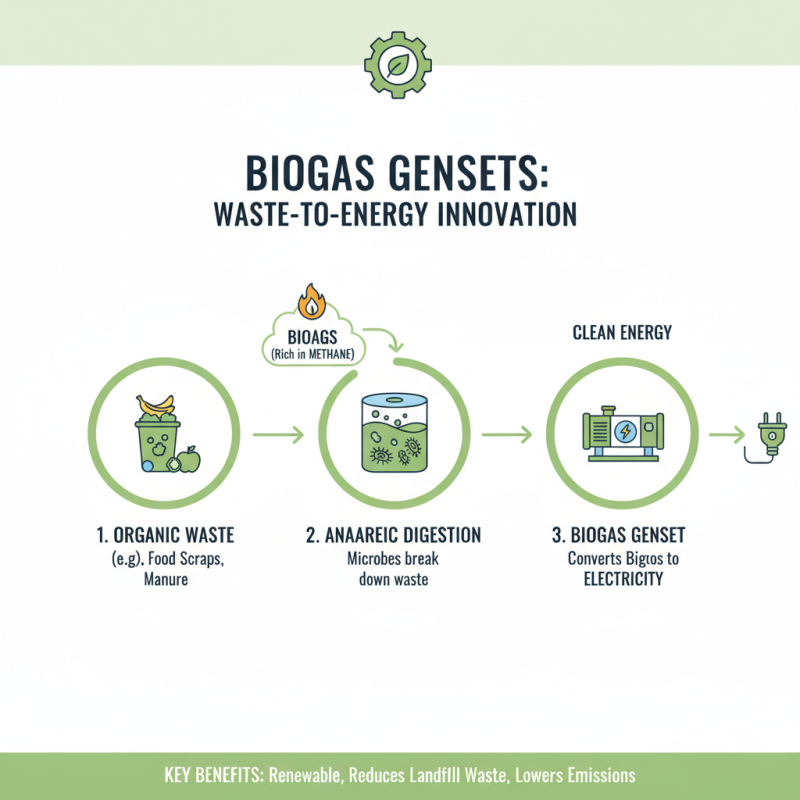
A biogas genset is a unique energy solution. It generates electricity using biogas. This gas primarily comes from organic waste, such as food scraps or agricultural residues. The process starts with anaerobic digestion. Microorganisms break down the organic matter in a controlled environment. This produces biogas, mainly composed of methane and carbon dioxide.
Once the biogas is produced, it is fed into an engine or a generator. The engine converts the chemical energy in the biogas into mechanical energy. This eventually powers an electric generator, creating electricity. The efficiency of a biogas genset can vary. Factors like the type of feedstock and operating conditions play an important role.
While this technology is promising, there are challenges. For instance, the gas must be purified before use. Contaminants can affect engine performance. Proper maintenance is essential for optimal operation. In some cases, capturing enough biogas can be difficult. However, biogas gensets are a step toward sustainable energy solutions. They turn waste into valuable resources, addressing energy needs and environmental impact.
Key Components of a Biogas Genset
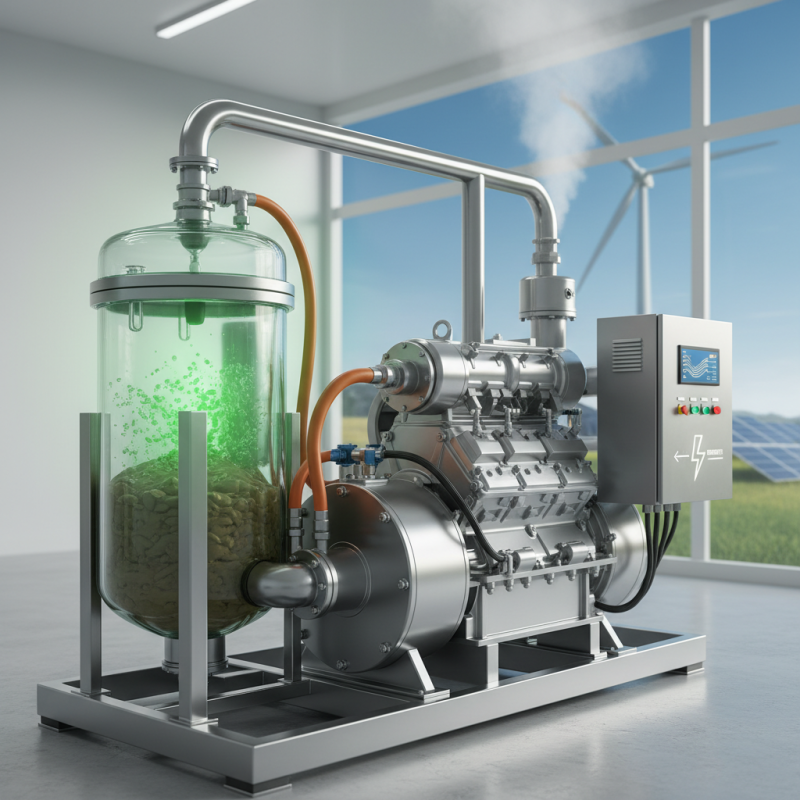
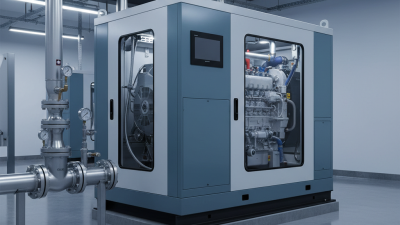
A biogas genset generates electricity using biogas, which comes from organic waste. The key components of a biogas genset include a biogas digester, gas storage, an engine, and an alternator.
The biogas digester breaks down organic material in a controlled environment. This process produces methane-rich biogas. The gas is then stored in a gas holder until needed. This storage is crucial for consistent gas supply.
The engine burns the biogas to produce mechanical power. After that, the alternator converts this into electricity. These components work together to ensure efficient energy production.
Tips: Ensure regular maintenance of the engine to avoid costly repairs. Monitor biogas quality to optimize performance. Small issues can lead to big problems if not addressed. Proper insulation for the gas storage can also improve efficiency.
The Process of Biogas Generation
Biogas generation is an innovative process that harnesses organic waste. This waste could be from agricultural residues, food scraps, or even manure. When these materials decompose anaerobically, they generate biogas, primarily composed of methane and carbon dioxide. Reports indicate that biogas can provide a renewable energy source, with up to 60% of energy produced from biomass converted into usable power.
The biogas generation process begins by collecting organic materials and placing them in a digester. In this airtight environment, microorganisms break down the organic matter. This phase is critical; the temperature and pH levels must be managed carefully to optimize methane production. Studies show that efficient systems can lead to a methane yield of 0.25 to 0.3 cubic meters per kilogram of dry matter. This efficiency means farmers and businesses can significantly reduce waste while generating energy.
Tip: Regular monitoring of the digester's conditions is crucial. Unstable pH or temperature can slow methane production.
As biogas is produced, it can be cleaned and utilized in a genset. This conversion process generates electricity or heat. However, maintaining a biogas system can pose challenges. Issues like fluctuating input quality and system maintenance require constant attention. Overlooking these factors can impact energy output and cost-effectiveness.
Tip: Invest in proper training for staff managing biogas systems. Knowledgeable operators can significantly enhance daily operations and troubleshooting.
Biogas Generation Process and Energy Output
How Biogas Gensets Convert Energy
Biogas gensets are innovative systems that convert organic waste into energy. They utilize anaerobic digestion, a natural process where microorganisms break down organic matter. This process produces biogas, primarily composed of methane.
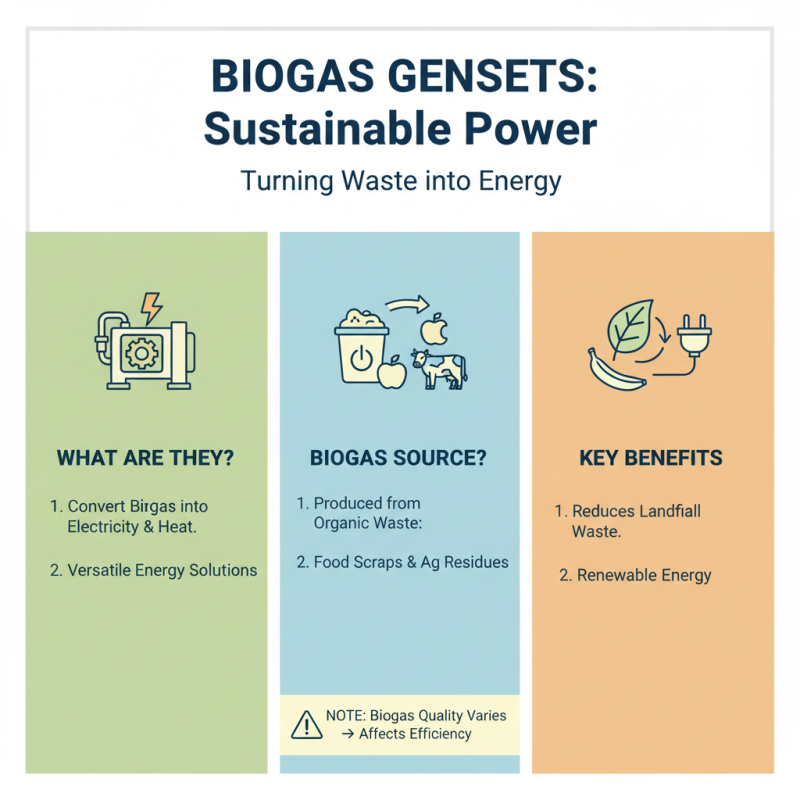
The biogas generated is then used to fuel a generator. This generator transforms the chemical energy in the biogas into electrical energy. The process is fairly efficient, yet not without challenges. Sometimes, the biogas quality varies due to input material inconsistencies. This can lead to fluctuations in energy output.
Despite these obstacles, biogas gensets offer a sustainable energy solution. They can be used on farms, landfills, and wastewater treatment facilities. However, the technology requires careful management to ensure reliability. It's a dynamic area with room for improvement. Enhancing the efficiency of biogas generation remains a key focus.
Applications and Benefits of Biogas Gensets
Biogas gensets are becoming increasingly popular for various applications. They convert biogas into electricity and heat, making them versatile energy solutions. Biogas is produced from organic waste, such as food scraps and agricultural residues. Using these resources helps reduce waste in landfills. However, not all biogas is created equal. The quality and consistency can vary widely, affecting the efficiency of gensets.
One key application is in rural areas, where electricity supply is uncertain. Biogas gensets can provide reliable power for homes and farms. They help enhance energy independence, making local communities less reliant on external sources. Additionally, these gensets support sustainable agriculture. They allow farmers to utilize waste effectively, thus closing the loop in the production cycle.
Despite their benefits, biogas gensets face challenges. Maintenance can be demanding. Operators need to monitor gas quality continuously to ensure optimal performance. Additionally, initial setup costs may deter some users. While the long-term benefits are clear, the journey to efficient implementation is not without obstacles. Many potential users must weigh these factors carefully.

 Sinotruk Parts
 Shacman Parts
 FAW Parts
 Dongfeng Parts
 Foton Parts
 CHENGLONG PARTS
 Golden Dragon Bus Parts
 King Long Parts
 Yutong Parts
 Higer Parts
 Zhongtong Parts
 Ankai Parts




 Mr. Perry Wu International Sales Director