Top Benefits of Using a CNG Generator for Power Generation?
The use of a CNG generator for power generation is gaining traction in various industries. John Smith, an energy expert, emphasizes, “CNG generators are efficient and environmentally friendly.” These generators utilize compressed natural gas, offering a cleaner alternative to traditional fuels. Many businesses are turning to CNG generators to enhance sustainability.
CNG generators provide several benefits. They produce fewer emissions compared to diesel or gasoline generators. This reduction in pollutants makes them suitable for urban areas. Moreover, the operational costs are often lower, leading to significant savings over time.
Yet, challenges persist. Transitioning to CNG requires investment in infrastructure. Companies must also consider the availability of fuel sources. Despite these hurdles, the potential of CNG generators is undeniable. As industries evolve, CNG technology may take a more prominent role in energy solutions.
Benefits of CNG Generators in Reducing Carbon Emissions
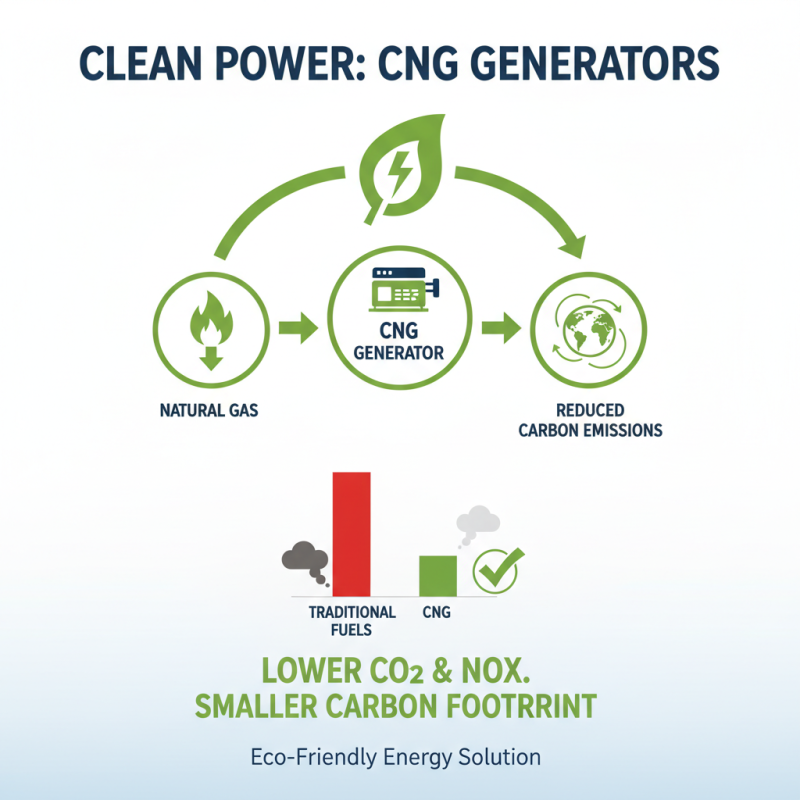
CNG generators are gaining popularity due to their environmental benefits. One significant advantage is their role in reducing carbon emissions. Natural gas produces fewer pollutants compared to traditional fossil fuels. When burned, it emits lower levels of carbon dioxide and nitrogen oxides. This transition helps lower the overall greenhouse gas footprint.
Moreover, switching to CNG generators can improve air quality. Cities plagued by smog can see a reduction in harmful emissions. Cleaner air leads to health benefits for residents. While the infrastructure for CNG may need development, the impact on the environment is clear. Utilizing CNG can lead to more sustainable energy solutions, but challenges remain.
CNG generators might not eliminate emissions entirely. There’s still a need to ensure safety and proper handling. Some critics point out that methane leaks during extraction and distribution can offset the benefits. Continuous evaluation is crucial to maximize the positives while addressing these concerns. Adopting CNG technology requires careful planning and commitment to long-term sustainability goals.
Cost Efficiency: Comparing CNG with Traditional Fuels for Power Generation
CNG generators offer significant cost efficiency compared to traditional fuels. According to the U.S. Department of Energy, CNG is often 30-40% cheaper than diesel or gasoline. This cost advantage is crucial for businesses aiming to reduce operational costs. Power generation using CNG can lead to lower fuel bills, which directly impacts profitability.
However, the transition to CNG is not without challenges. Initial investments in infrastructure can be high. Companies may need to build fueling stations or modify equipment. The payback period could vary significantly, depending on usage patterns. Some operators might find this daunting, especially in uncertain markets.
In terms of emissions, CNG is cleaner. The EPA reports that CNG generators emit up to 30% less CO2 than traditional fuels. Yet, the environmental impact is still under scrutiny. Critics argue the extraction and transportation of natural gas can negate these benefits. As stakeholders weigh the pros and cons, ongoing evaluation is essential for sustainable choices in power generation.
Top Benefits of Using a CNG Generator for Power Generation
| Fuel Type |
Cost per kWh |
Emissions (CO2 g/kWh) |
Installation Cost |
Maintenance Cost (Annual) |
| CNG |
$0.04 |
400 |
$5000 |
$300 |
| Diesel |
$0.08 |
900 |
$7000 |
$500 |
| Gasoline |
$0.06 |
830 |
$6000 |
$400 |
| Propane |
$0.07 |
745 |
$6500 |
$450 |
CNG Generators: High Energy Density and Efficiency Metrics
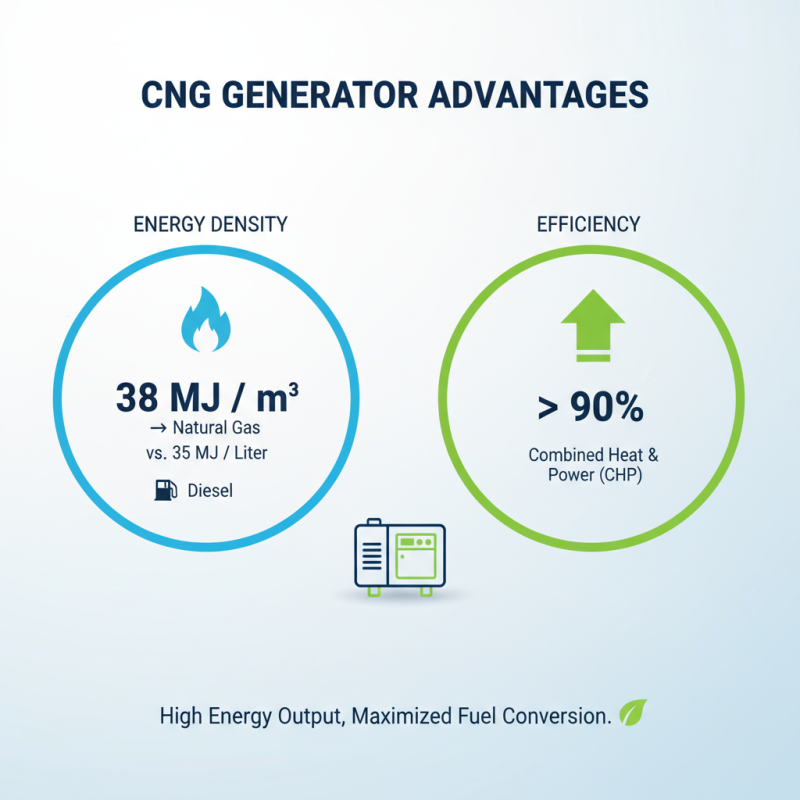
CNG generators have gained popularity due to their high energy density and efficiency. Natural gas provides about 38 MJ per cubic meter, making it a robust energy source. In comparison, diesel generators typically produce around 35 MJ per liter. This energy density allows CNG generators to convert fuel to power effectively. Additionally, the efficiency metrics of CNG generators often exceed 90%, especially in combined heat and power (CHP) applications.
Tips: Regular maintenance improves efficiency. Keep an eye on fuel quality.
Another aspect to consider is the lower emissions profile of CNG. Reports indicate that CNG generators emit up to 25% less CO2 than diesel options. However, methane leaks can pose significant environmental risks. Continuous monitoring is essential to mitigate this issue. Additionally, CNG infrastructure may require significant initial investment. This can be a barrier for some, but long-term savings are notable.
Tips: Explore local incentives for CNG setups. They can offset upfront costs.
Reliability and Maintenance: The Case for CNG Generators
CNG generators have gained traction due to their reliability in power generation. They perform consistently, making them a great option for various applications. The fuel source, compressed natural gas, burns cleaner than traditional fuels. This leads to lower emissions and improved air quality.
When it comes to maintenance, CNG generators are designed for durability. Regular maintenance is still required, but the intervals can often be longer compared to diesel generators. This can save time and reduce overall costs. However, not all users are familiar with these maintenance needs, which can lead to unexpected issues over time.
It's crucial to create a routine maintenance plan. Ignoring small problems can escalate quickly. Operators should routinely check fuel lines, filters, and valves. Familiarity with these components will enhance reliability. Some may find it challenging to adapt to new procedures. But embracing this change can lead to smoother operations and better performance.
CNG Infrastructure Growth: Impact on Power Generation Accessibility
The growth of CNG infrastructure significantly impacts power generation. As more refueling stations are established, access to CNG becomes easier for many users. This development is crucial for remote areas. It brings power generation closer to those who need it most. The expansion reduces transportation costs, making power more affordable.
CNG generators have a strong role in this shift. They offer clean energy options for various applications. Many communities are now exploring how to integrate CNG into their systems. However, there are challenges. Not all regions have the same level of infrastructure. Some places still rely heavily on traditional fuels, which can hinder progress.
The availability of CNG also influences energy security. As countries strive for sustainable practices, exploring CNG becomes essential. It provides a reliable alternative to fossil fuels. The transition is not without hurdles. Alignment between government policies and infrastructure growth is necessary. Creating a balanced energy mix is vital to future success.

 Sinotruk Parts
 Shacman Parts
 FAW Parts
 Dongfeng Parts
 Foton Parts
 CHENGLONG PARTS
 Golden Dragon Bus Parts
 King Long Parts
 Yutong Parts
 Higer Parts
 Zhongtong Parts
 Ankai Parts





 Mr. Perry Wu International Sales Director