Top 10 Benefits of Tri Fuel Generators for Home and Emergency Use?
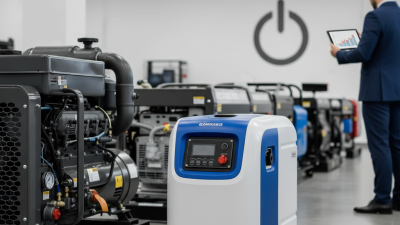
When it comes to home safety and emergency preparedness, Tri Fuel Generators stand out as a versatile solution. These generators can run on natural gas, propane, or gasoline, offering unmatched flexibility. In unpredictable situations, having multiple fuel options can be a game-changer. You might not always have access to one type of fuel during a crisis, making this adaptability critical.
Tri Fuel Generators provide reliable power to keep your home running smoothly. Whether powering essential appliances or providing backup during a blackout, these generators ensure your comfort and security. Many users appreciate the efficiency and convenience that come with this technology. However, not everyone fully understands their potential. It's important to recognize that proper maintenance and knowledge of usage are crucial for optimal performance.
The benefits of Tri Fuel Generators extend beyond just emergency situations. They can enhance outdoor activities like camping or tailgating, where power access can be limited. Yet, some might feel overwhelmed by the setup process and the variety of options available. Investing in user-friendly models or seeking expert advice can help alleviate these concerns.
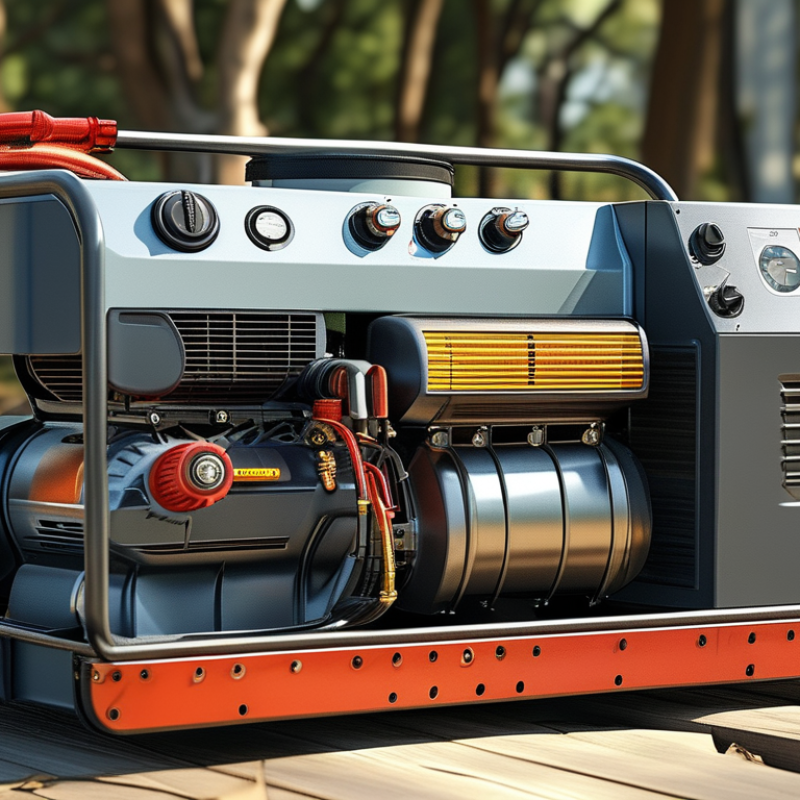
Understanding Tri-Fuel Generators: Key Features and Technologies
Tri-fuel generators stand out in the realm of home and emergency power solutions. These units offer versatility, running on natural gas, propane, or gasoline. This feature allows users to select the most available fuel during emergencies. According to a report by the U.S. Department of Energy, having options can significantly enhance energy security during outages.
Technologically, tri-fuel generators are equipped with advanced control systems. These systems can automatically switch between fuel types based on availability and user preference. Many models come with an electric start function that ensures effortless operation. Notably, they also offer a quieter performance compared to traditional gas-only generators. A 2023 market analysis highlighted that noise levels can be reduced by up to 50% in some tri-fuel models, making them suitable for residential areas.
However, purchasing tri-fuel generators requires carefully consideration. They can be more expensive than their single-fuel counterparts. The complexity of having multiple fuel options may lead to maintenance challenges. A recent survey indicated that 30% of users experienced operational issues because of incorrect fuel usage. This underscores the need for proper education and user awareness. While tri-fuel generators offer numerous advantages, potential buyers should weigh these against their specific needs.
Versatility: Why Tri-Fuel Generators Offer Multiple Fuel Options
Tri-fuel generators stand out in their versatility, providing homeowners with an array of fuel options. These generators can run on gasoline, propane, and natural gas. This flexibility is crucial during emergencies or power outages when one fuel source may be unavailable. For instance, propane tanks can be easily stored, making them a reliable choice when gasoline runs low.
Using various fuel sources ensures enhanced reliability in times of uncertainty. A tri-fuel generator can swiftly switch between fuels, offering peace of mind when power needs peak. However, maintenance plays a vital role in their efficiency. Users must regularly check fuel lines and connections to avoid inconveniences. Ignoring these details could lead to frustrating situations when you need power the most.
Choosing a tri-fuel generator often reflects a need for preparation. Many owners appreciate the ability to adapt based on availability and cost. Yet, considering how to store different fuels introduces challenges. For instance, natural gas requires a reliable supply and connection. Not everyone has access to this. Balancing these factors while weighing the benefits is critical for informed decisions.
Cost Efficiency: Comparing Fuel Prices for Home Use and Emergencies
In today's world, many households seek reliable energy sources, especially during emergencies. Tri fuel generators have gained popularity due to their fuel flexibility. These generators can run on natural gas, propane, and gasoline. This versatility allows homeowners to choose the most cost-effective fuel option during different situations.
When comparing fuel prices, it is essential to consider local market conditions. Natural gas is often cheaper than propane and gasoline. However, depending on your location, these prices can fluctuate significantly. During an emergency, having access to multiple fuel types can save you money. If one fuel source becomes scarce or expensive, you can switch to another option.
However, it’s crucial to be realistic about your needs. A tri fuel generator may seem like a great investment, but it can also be costly upfront. Additionally, maintaining multiple fuel supplies adds complexity. Reflecting on your specific situation can help determine if the benefits outweigh the costs. Making informed decisions will ensure reliability when you need it most.
Reliability: How Tri-Fuel Generators Handle Power Outages
Power outages can strike unexpectedly, leaving homes in darkness and relying on candlelight. Tri-fuel generators shine in these situations, offering reliability and versatility. These generators can run on propane, natural gas, or gasoline, ensuring users have multiple fuel options. When one fuel runs low, switching to another becomes seamless. This adaptability allows households to maintain power during extended outages.
Many families face challenges when the grid goes down. A tri-fuel generator can alleviate stress by providing consistent electricity. Its ability to handle different fuels means fewer worries about where to get more supplies. Additionally, these generators are often quieter than traditional models, reducing noise pollution in residential areas. Users appreciate both comfort and peace of mind when the power goes out.
However, not all generators are equally reliable. Some may struggle with fuel efficiency or maintenance issues. It’s crucial to research and understand the specific models before making a decision. Different environments and usage scenarios can affect performance. A tri-fuel generator may be a great solution, yet it requires proper care and attention to ensure it functions at its best.
Top 10 Benefits of Tri Fuel Generators for Home and Emergency Use
Safety Considerations: Ensuring Safe Operation of Tri-Fuel Generators
Tri-fuel generators are versatile solutions for power outages. They can use propane, natural gas, or gasoline. Ensuring safe operation of these generators is crucial for users.
Always place the generator outdoors to avoid carbon monoxide buildup. This gas is odorless and deadly. Consider using a carbon monoxide detector in your home. It's a small investment for peace of mind.
When connecting devices, avoid overloading the generator. Check the wattage of your appliances. Keep a fire extinguisher nearby. Also, regularly inspect your generator for fuel leaks or damage. A few minutes of inspection can prevent bigger issues later on.
Storing fuel safely is another vital step. Use proper containers and label them clearly. Keep them away from heat sources. Always follow local guidelines for fuel storage. This attention to detail can ensure smooth operation during emergencies.
Top 10 Benefits of Tri Fuel Generators for Home and Emergency Use
| Benefit |
Description |
| Versatility |
Can run on gasoline, propane, or natural gas, providing flexibility depending on fuel availability. |
| Reliability |
Excellent for emergency situations where one fuel type may not be accessible. |
| Efficiency |
Optimizes fuel consumption based on the power requirement and available fuel type. |
| Cost-Effective |
Can lower operational costs by allowing users to choose the cheapest fuel option available. |
| Long Runtime |
Extended running time due to options available for refueling. |
| Environmentally Friendly |
Propane and natural gas are cleaner burning, reducing greenhouse gas emissions. |
| Compact Design |
Usually designed to be portable and easy to store. |
| Power Output |
Can provide a substantial amount of power suitable for various applications. |
| Ease of Use |
Generally user-friendly controls and quick setup. |
| Safety Features |
Built-in safety mechanisms, such as overload protection and CO detection. |

 Sinotruk Parts
 Shacman Parts
 FAW Parts
 Dongfeng Parts
 Foton Parts
 CHENGLONG PARTS
 Golden Dragon Bus Parts
 King Long Parts
 Yutong Parts
 Higer Parts
 Zhongtong Parts
 Ankai Parts





 Mr. Perry Wu International Sales Director