Top Benefits of Using a Hybrid Generator for Sustainable Energy Solutions
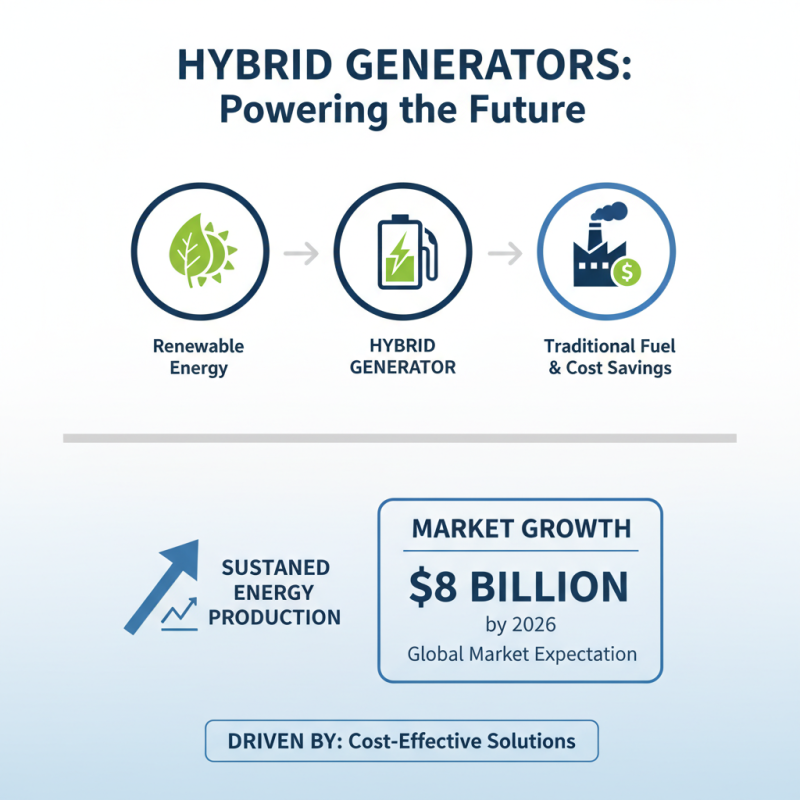
As the world seeks sustainable energy solutions, the role of a Hybrid Generator is becoming more vital. Dr. Emily Harper, a leading expert in renewable energy technologies, states, “Hybrid Generators bridge the gap between traditional and renewable energy sources.” This statement underlines the transformative potential of these systems.
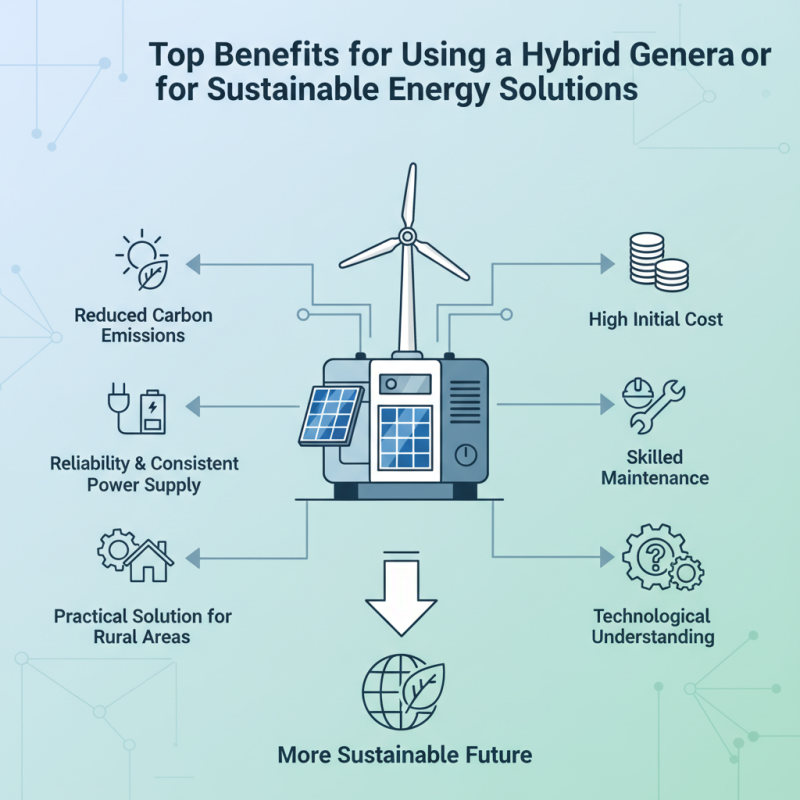
Hybrid Generators combine multiple energy sources. Often, they integrate solar, wind, and conventional fuels. This versatility offers reliability in energy supply while reducing carbon emissions. In rural areas, where power shortages are common, these generators provide a practical solution. They can power homes and businesses, making life easier and more efficient.
Nevertheless, challenges exist. The initial cost of Hybrid Generators can be high. Maintenance requires skilled professionals. Users may also struggle with understanding the technology. These aspects can hinder widespread adoption. Still, the benefits outweigh these barriers. Embracing Hybrid Generators can lead to a more sustainable future for all.
Understanding Hybrid Generators and Their Functionality
Hybrid generators combine different energy sources to provide a reliable power supply. They often integrate renewable sources, like solar or wind, with traditional generators. This combination allows for greater efficiency and reduced emissions. A hybrid system can adapt to changing energy demands. It can switch between sources based on availability, optimizing performance.
Understanding how hybrid generators function is crucial for maximizing their benefits. These systems often include smart controllers. These controllers monitor energy input and output. They regulate the power flow, ensuring a consistent supply. However, installation can be challenging. Proper site assessments and technical knowledge are needed. Some users may feel overwhelmed by the complexity.
These generators also come with a few drawbacks. Initial costs can be high, which might deter potential users. Maintenance is necessary to keep the system running optimally. Users must regularly check the components. It’s worth noting that not all hybrid setups work perfectly for every situation. Each location has its unique energy landscape, and users should consider local conditions.
Key Advantages of Hybrid Generators for Sustainable Energy
Hybrid generators offer numerous advantages for sustainable energy solutions. They combine renewable sources like solar or wind with traditional power sources. This versatility enhances energy reliability. When the sun doesn’t shine or the wind dies down, backup systems provide power. This means fewer disruptions for users.
One notable benefit is energy efficiency. Hybrid systems can reduce fuel consumption. They optimize the use of renewable resources. However, installation can be complex. Users must carefully plan their energy needs. Miscalculating energy requirements might lead to insufficient power. These systems often have higher upfront costs. Nevertheless, they can save money over time through reduced fuel expenses.
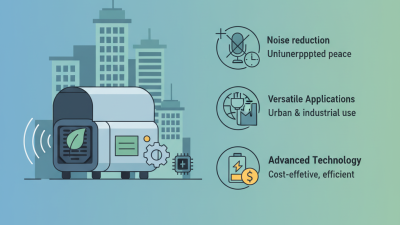
Another key advantage is environmental impact. Hybrid generators lower carbon emissions. They help fight climate change. Some people worry about noise from traditional generators. Hybrid models can be quieter. However, not all hybrid systems achieve this. Users may need to shop around. Finding the right balance between performance and noise can be a challenge.
Environmental Impact Reduction through Hybrid Energy Solutions
Hybrid generators combine renewable energy sources with traditional fuel. This approach can significantly reduce environmental impacts. According to a recent study by the International Energy Agency, hybrid systems can lower greenhouse gas emissions by up to 50%. This is crucial as the world faces climate challenges.
Using hybrid generators also enhances energy efficiency. A report from the U.S. Department of Energy notes that these systems optimize fuel consumption better than conventional power sources. This can lead to cost savings for businesses and households alike. However, the initial investment can be high. Many users hesitate because of upfront costs.
Additionally, maintenance requirements can be tricky. Regular checks are necessary to keep the systems running smoothly. Some operators may not have the expertise for such tasks. Nevertheless, the long-term benefits often outweigh these challenges. Making the switch could lead to a cleaner planet and a more reliable energy source. Sustainability is not just a trend; it's an essential shift for the future.
Top Benefits of Using a Hybrid Generator for Sustainable Energy Solutions
Applications of Hybrid Generators in Various Industries
Hybrid generators are gaining traction across various industries. They combine renewable energy sources with traditional generators. This combination leads to increased efficiency and reduced emissions. According to a report by Research and Markets, the global hybrid generator market is expected to grow at over 3% annually through 2030.
In the construction sector, hybrid generators provide power for machinery and tools on-site. This significantly reduces fuel consumption. They can operate efficiently in remote areas. Data from the International Energy Agency shows that using hybrid systems can cut diesel usage by up to 50%. This benefit appeals to construction firms looking to be more eco-friendly.
Moreover, in the telecommunications industry, hybrid generators play a crucial role. They ensure uninterrupted power supply to cell towers. The reliability of power affects communication quality. A study by GlobalData indicates companies save around 20% on energy costs by using hybrid systems. Still, the initial investment may be high. Companies need to weigh the upfront costs against long-term benefits for better sustainability.
Top Benefits of Using a Hybrid Generator for Sustainable Energy Solutions
| Application Area |
Benefits |
Energy Sources Used |
Environmental Impact |
| Healthcare Facilities |
Reliable power supply during outages |
Solar, Diesel |
Reduces carbon footprint |
| Telecommunications |
Enhanced network reliability |
Wind, Gas |
Minimizes greenhouse gas emissions |
| Construction Sites |
Portable and flexible energy solutions |
Diesel, Battery |
Lower environmental impact |
| Remote Areas |
Access to power in off-grid locations |
Solar, Wind |
Promotes sustainable development |
| Data Centers |
Increased energy efficiency |
Natural Gas, Battery |
Reduced reliance on fossil fuels |

 Sinotruk Parts
 Shacman Parts
 FAW Parts
 Dongfeng Parts
 Foton Parts
 CHENGLONG PARTS
 Golden Dragon Bus Parts
 King Long Parts
 Yutong Parts
 Higer Parts
 Zhongtong Parts
 Ankai Parts


 Mr. Perry Wu International Sales Director